Scientists Tested Ancient Mummy Medicine And The Results Were Unexpected
A 2,700-year-old skull and jars of mummy powder have revealed a bizarre, forgotten chapter of medical history involving ancient remedies and modern science.
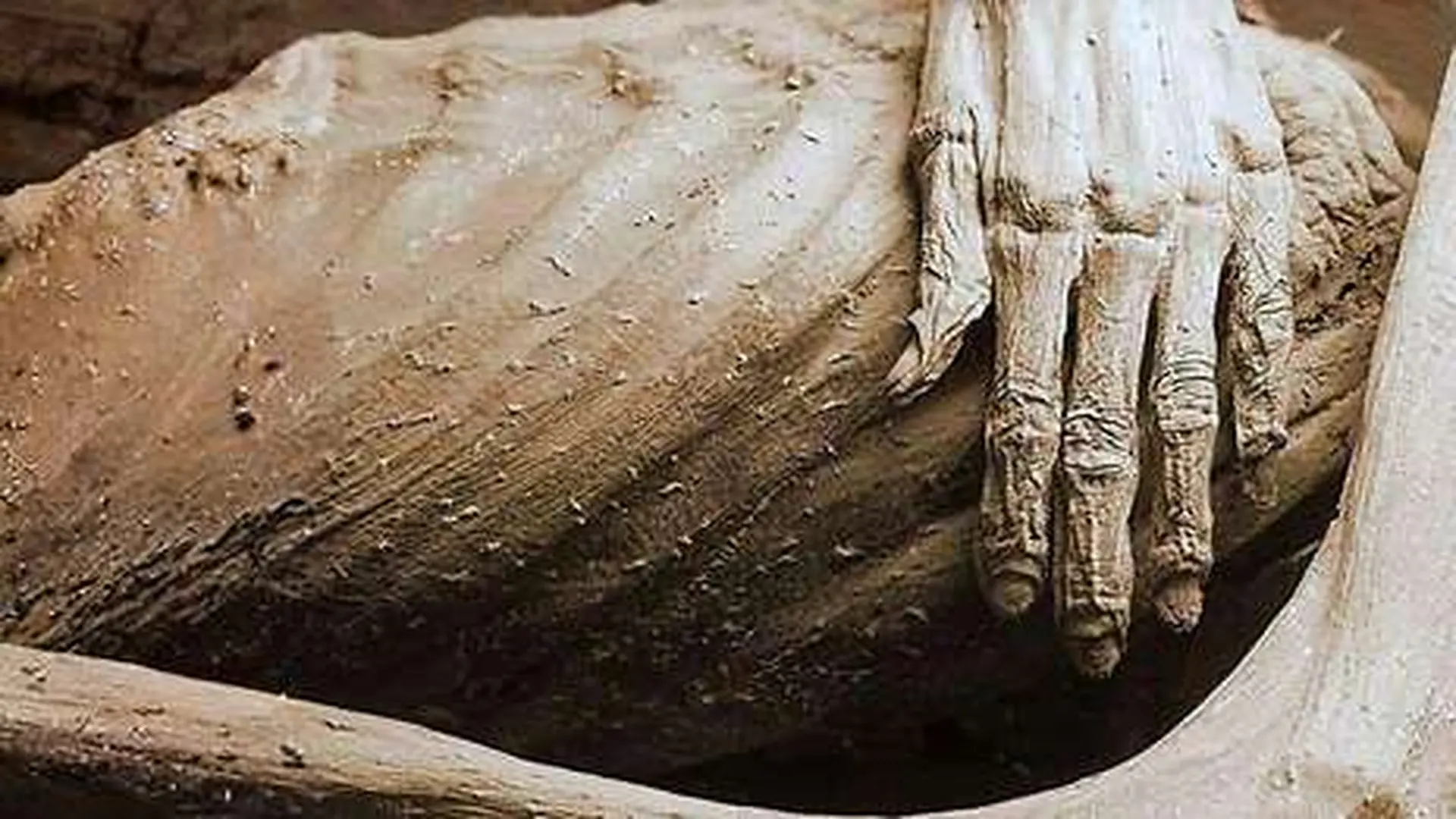
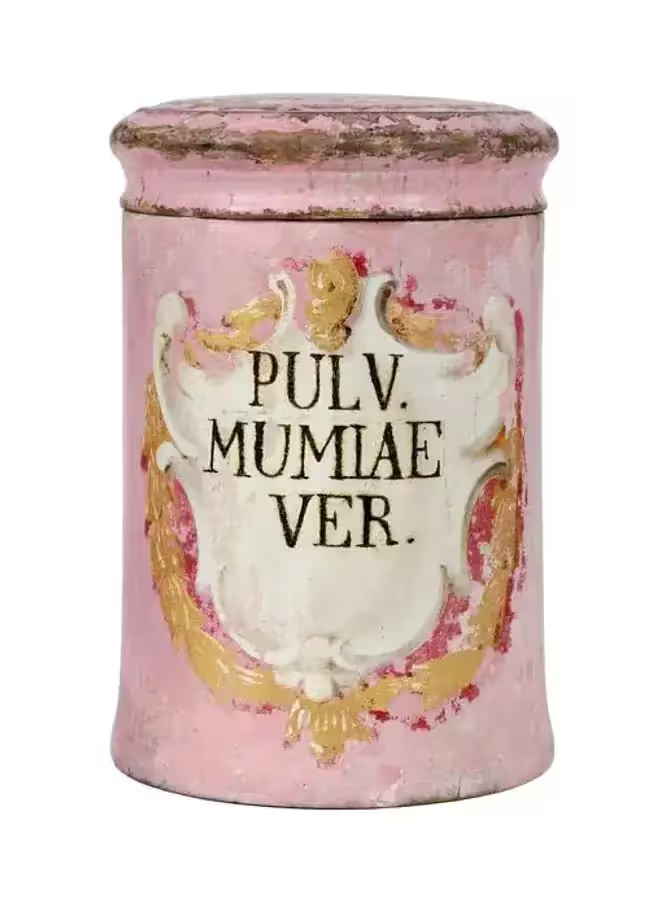
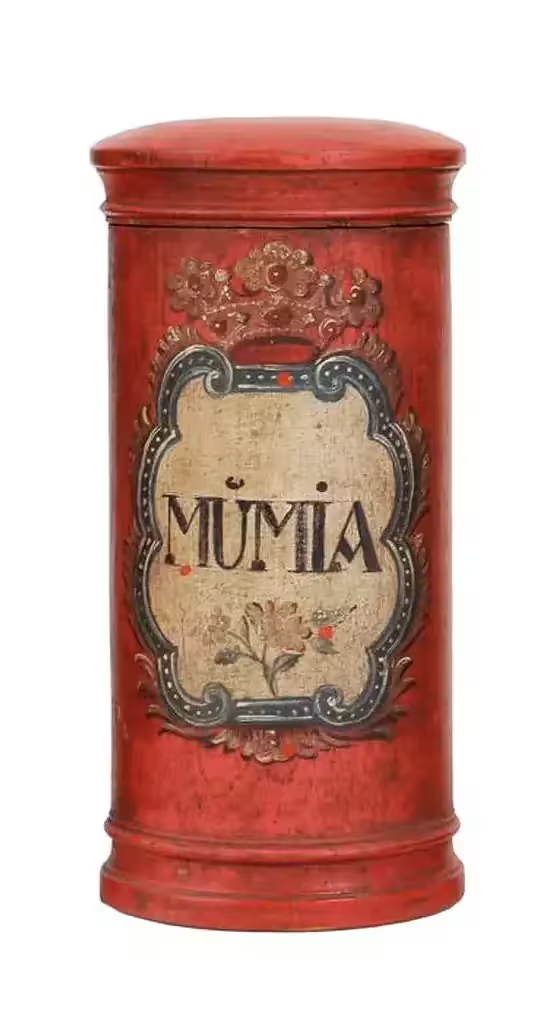
For centuries, European apothecary jars labeled Mumia vera aegyptiaca contained a grim commodity: powdered remains of ancient Egyptian mummies and the embalming agents preserved with them. Once regarded as a cure-all for ailments ranging from headaches to sore throats, these historical preparations have long been dismissed as a bizarre relic of medical history. However, a recent investigation by researchers at Marburg University has unearthed surprising chemical secrets hidden within these artifacts, revealing both advanced ancient embalming practices and potential biological activity.
The study, published in the Proceedings of the National Academy of Sciences, involved the chemical analysis of 24 objects, including mummy body parts, bandages, and historical medicinal powders. By integrating Egyptology with modern analytical chemistry, the team sought to demystify the inconsistent composition of these widely traded preparations.
Molecular Evidence of Ancient Botanical Knowledge
Among the most significant findings is the first definitive molecular evidence of aloe use in ancient Egyptian mummification. Analysis of a 2,700-year-old mummified skull and an 18th-century medicinal powder revealed the presence of aloeresin A. Tanja Pommerening, who leads Marburg’s Institute for the History of Pharmacy and Medicine, noted in a university statement that while medieval texts often linked aloe to mummy-based medicine, scholars had previously doubted whether this reflected authentic ancient practices or later traditions. Although the study confirms the use of plants from the Aloe genus, researchers emphasize that it appears to have been an occasional ingredient rather than a standard component of the embalming process.
The study also utilized AI-assisted pattern matching to connect disparate museum items. Chemical analysis revealed that a mummified head and a jar of powder held in the Heidelberg collection shared identical molecular fingerprints, suggesting they were once part of the same original specimen despite being cataloged separately.
Biological Effects Against Viruses
Beyond historical classification, the researchers tested the medicinal claims associated with these substances. Because most samples contained aged conifer resins—known for their antimicrobial properties—the team exposed cultured cells to extracts from a mumia preparation to check for biological activity. Surprisingly, the extract provided moderate protection against cellular damage caused by influenza viruses.
However, the researchers caution against overinterpreting these laboratory results. When the team isolated the extract’s dominant component, 7-oxodehydroabietic acid, and tested it individually, it failed to provide any protective effect, leaving the true source of the observed activity a mystery. Furthermore, the team clarified that these experiments do not suggest the substance prevents viral replication, nor do they validate the efficacy of the historic drug in human patients. The study highlights the complex, often unpredictable chemistry behind centuries-old medical practices, serving as a reminder that even the most discredited remedies may contain traces of legitimate pharmacological potential.
This article has been fact checked for accuracy, with information verified against reputable sources. Learn more about us and our editorial process.
Last reviewed on .
Article history
- Latest version
Reference(s)
- Berger, Tim., et al. “New molecular and historical evidence on ancient Egyptian embalming.” Proceedings of the National Academy of Sciences, vol. 123, no. 45, October 26, 2026 National Academy of Sciences, doi: 10.1073/pnas.2624362123. <https://doi.org/10.1073/pnas.2624362123>.
- “Altägyptische Arzneien: Mumifizierung mit Schriftquellen erforscht.”, October 27, 2026 marburg.news <http://marburg.news/?p=20810>.
Cite this page:
- Posted by Bilal Abbasi