NASA’s New Solar Mission Clears Crucial Hurdle Before Launching to Track Earth’s Energy
NASA’s TSIS-2 mission has passed critical space-environment testing, moving closer to monitoring the Sun’s vital impact on Earth’s climate.
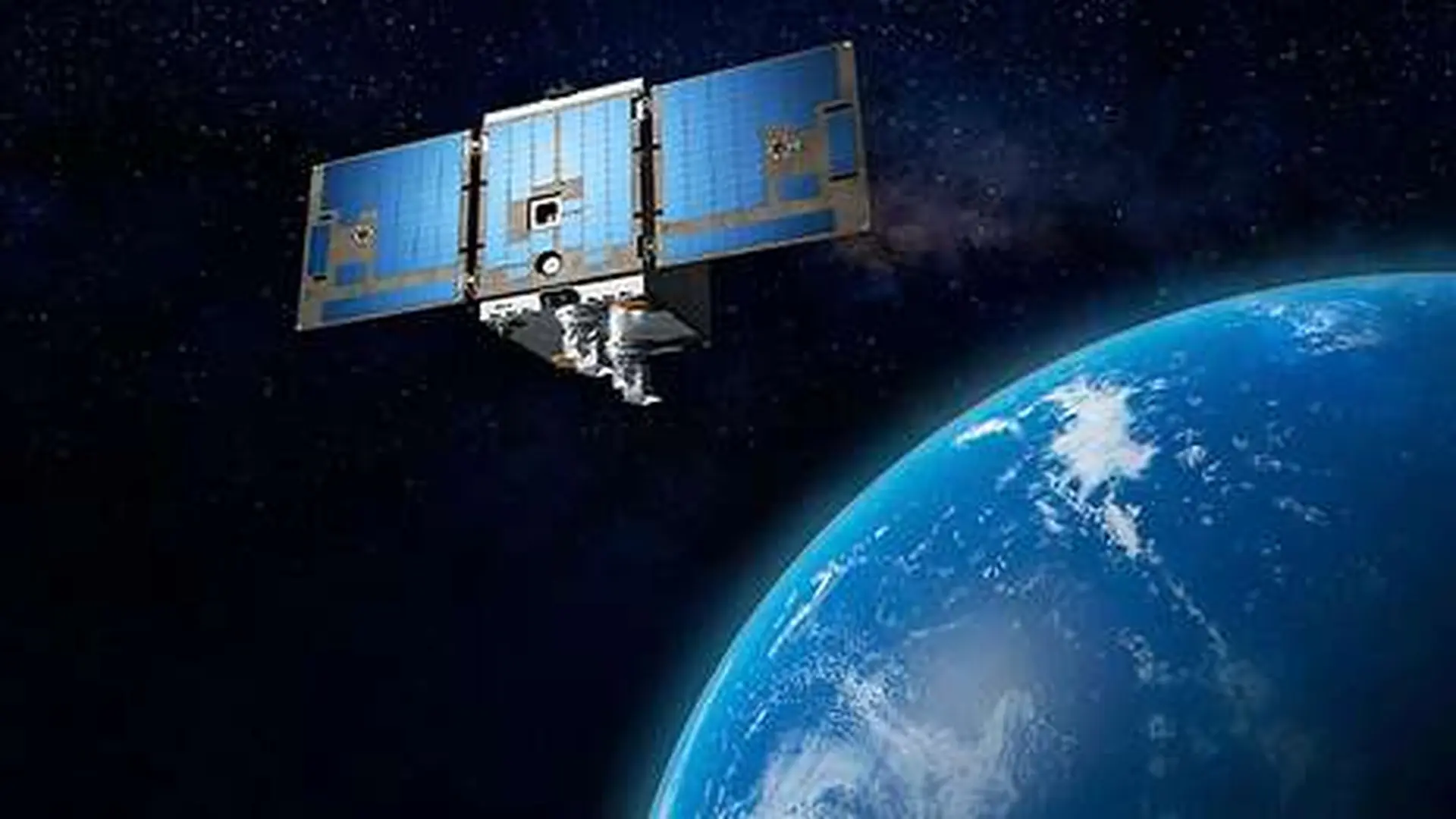
NASA has reached a critical stage in the development of its latest solar monitoring project, confirming that the Total and Spectral Solar Irradiance Sensor-2 (TSIS-2) has successfully cleared its final round of pre-launch environmental evaluations. By surviving rigorous vibration and vacuum testing, the instrument has moved one step closer to its mission of maintaining a long-term, high-precision record of the sunlight reaching our planet.
Ensuring Durability for the Harsh Vacuum of Space
Before any scientific payload can be cleared for orbital flight, it must prove it can survive the brutal physical stresses of launch and the unforgiving conditions of the space environment. NASA officials confirmed on November 2, 2026, that TSIS-2 has met these standards, a milestone essential for preserving the delicate calibration of its optical and electronic sensors.
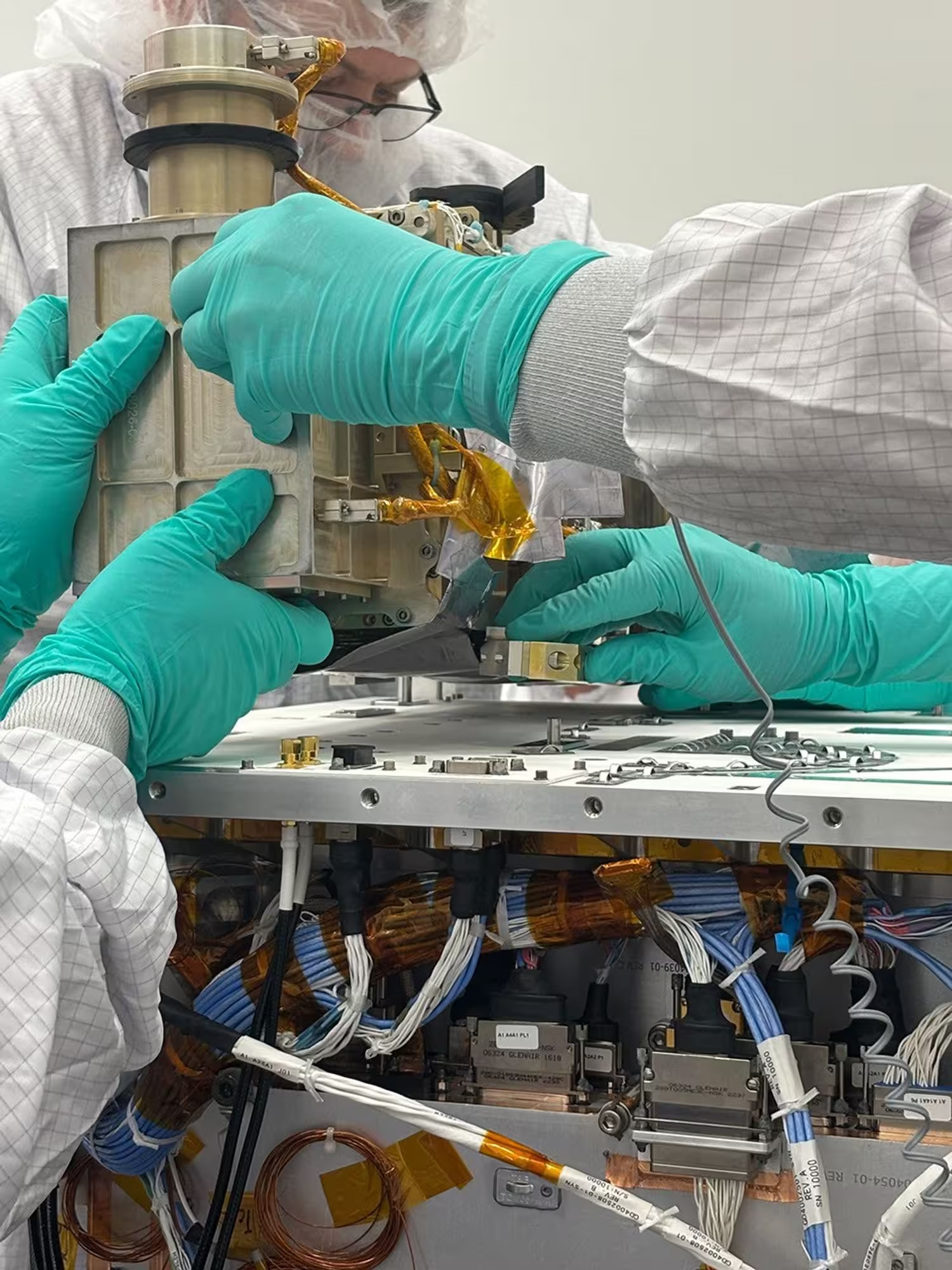
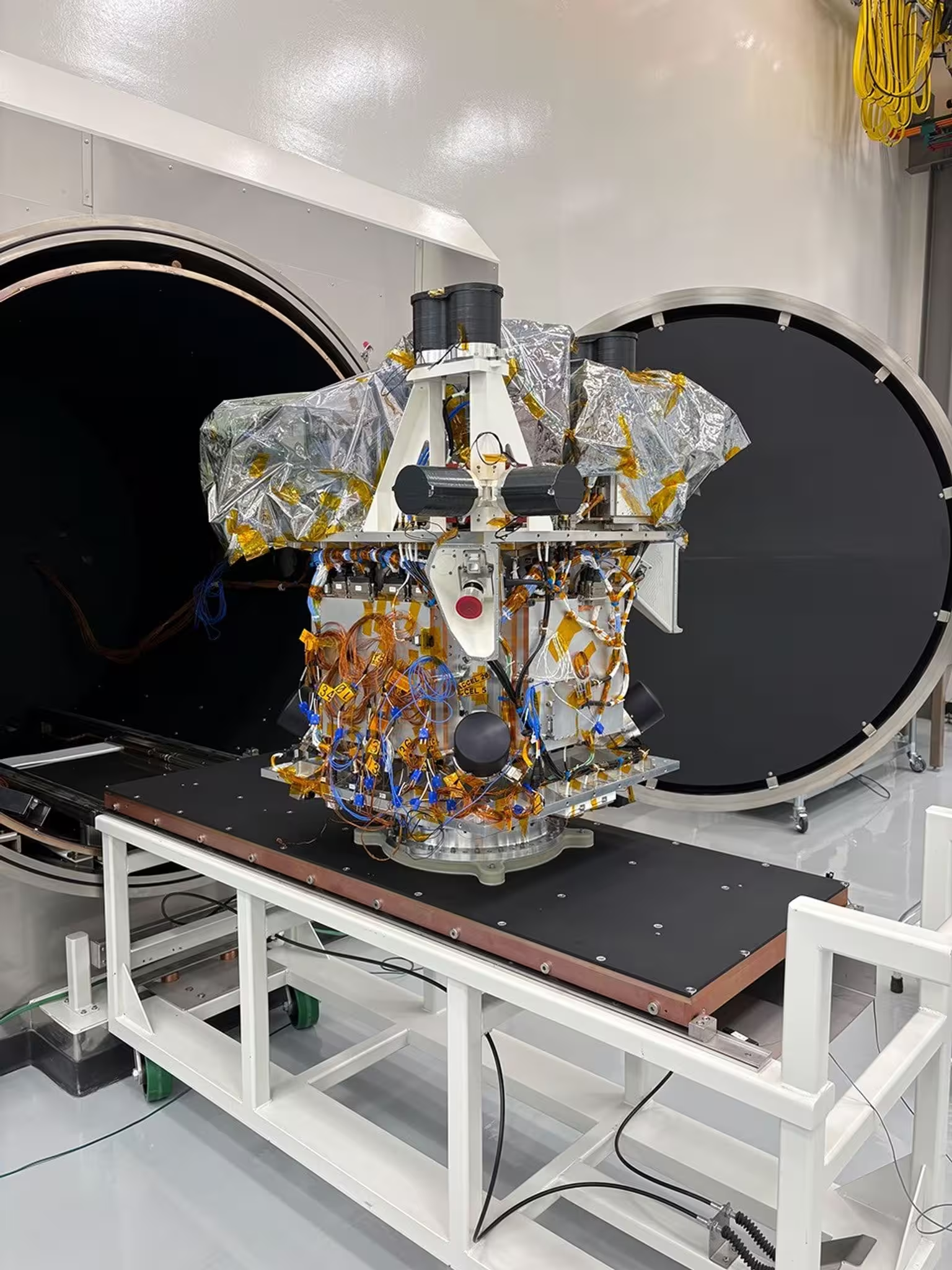
The vibration testing simulates the violent shaking and mechanical forces exerted by rocket engines during liftoff, ensuring that the internal alignment of the instrument remains intact. Simultaneously, thermal vacuum testing recreates the extreme conditions of orbit, where the lack of an atmosphere forces the hardware to manage heat dissipation in a complete void. For a mission relying on extremely sensitive data, these tests are vital to ensure that the instrument’s performance remains consistent once it reaches orbit.
Decoding the Sun’s Influence on Our Climate
The primary mission of TSIS-2 is to provide a granular look at the energy arriving at the top of the atmosphere. By monitoring both Total Solar Irradiance (TSI)—the sum of all energy reaching Earth—and Spectral Solar Irradiance (SSI)—the specific energy distribution across various wavelengths—scientists can better understand how the Sun drives weather patterns, ocean warming, and photosynthesis.
This level of detail is crucial for climate science. Different solar wavelengths interact with the atmosphere in unique ways; for instance, ultraviolet radiation is a key driver of atmospheric chemistry and ozone production. By tracking these inputs over time, including during the Sun’s 11-year activity cycle, researchers can better disentangle natural solar fluctuations from the human-induced greenhouse gas emissions that are currently driving global temperature increases.
Maintaining a Continuous Scientific Record
TSIS-2 serves as the successor to previous solar monitoring missions, such as the TSIS-1 sensor currently operating on the International Space Station. In climate research, continuity is paramount; even minor calibration discrepancies between instruments can complicate the analysis of long-term data trends.
By providing a seamless transition in data collection, TSIS-2 will help verify whether shifts in the energy balance of the Earth system follow established patterns or indicate new, unforeseen variations. As the mission progresses toward its launch, these tests provide the necessary evidence that the hardware is ready to contribute to a data record that has been building for decades.
This article has been fact checked for accuracy, with information verified against reputable sources. Learn more about us and our editorial process.
Last reviewed on .
Article history
- Latest version
Reference(s)
- McNamee, Erica. “NASA’s Mission to Study Sunlight Completes Vacuum, Vibration Testing - NASA Science.”, November 2, 2026 NASA <https://science.nasa.gov/blogs/tsis-2/2026/11/02/nasas-mission-to-study-sunlight-completes-vacuum-vibration-testing/>.
Cite this page:
- Posted by Bilal Abbasi