Ancient 4.1 Billion Year Old Meteorite Found in Sahara Reveals a Wetter Early Mars
A unique Martian meteorite sample has researchers rethinking the Red Planet’s history, suggesting it may not have always been a frozen, barren desert.
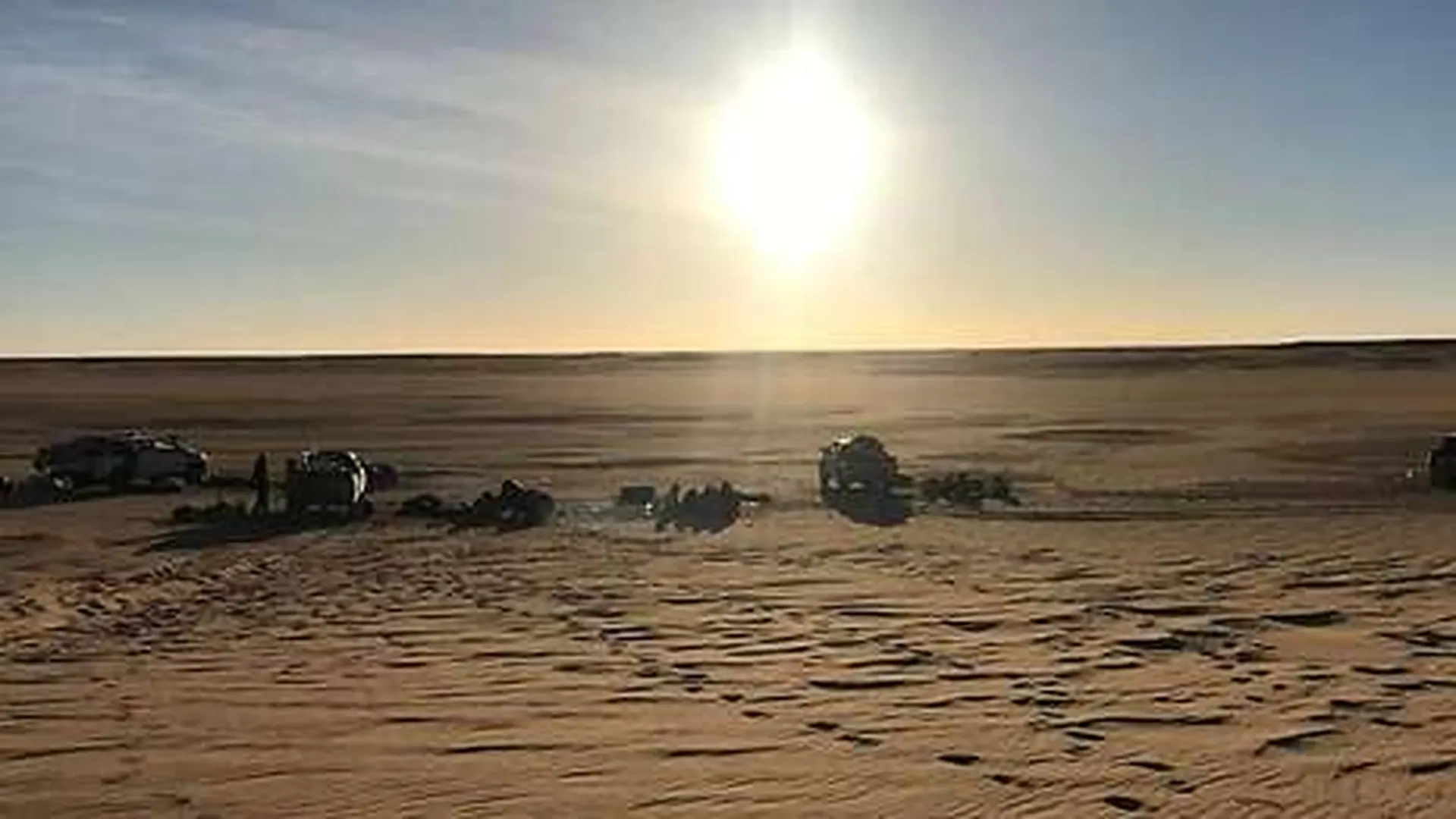
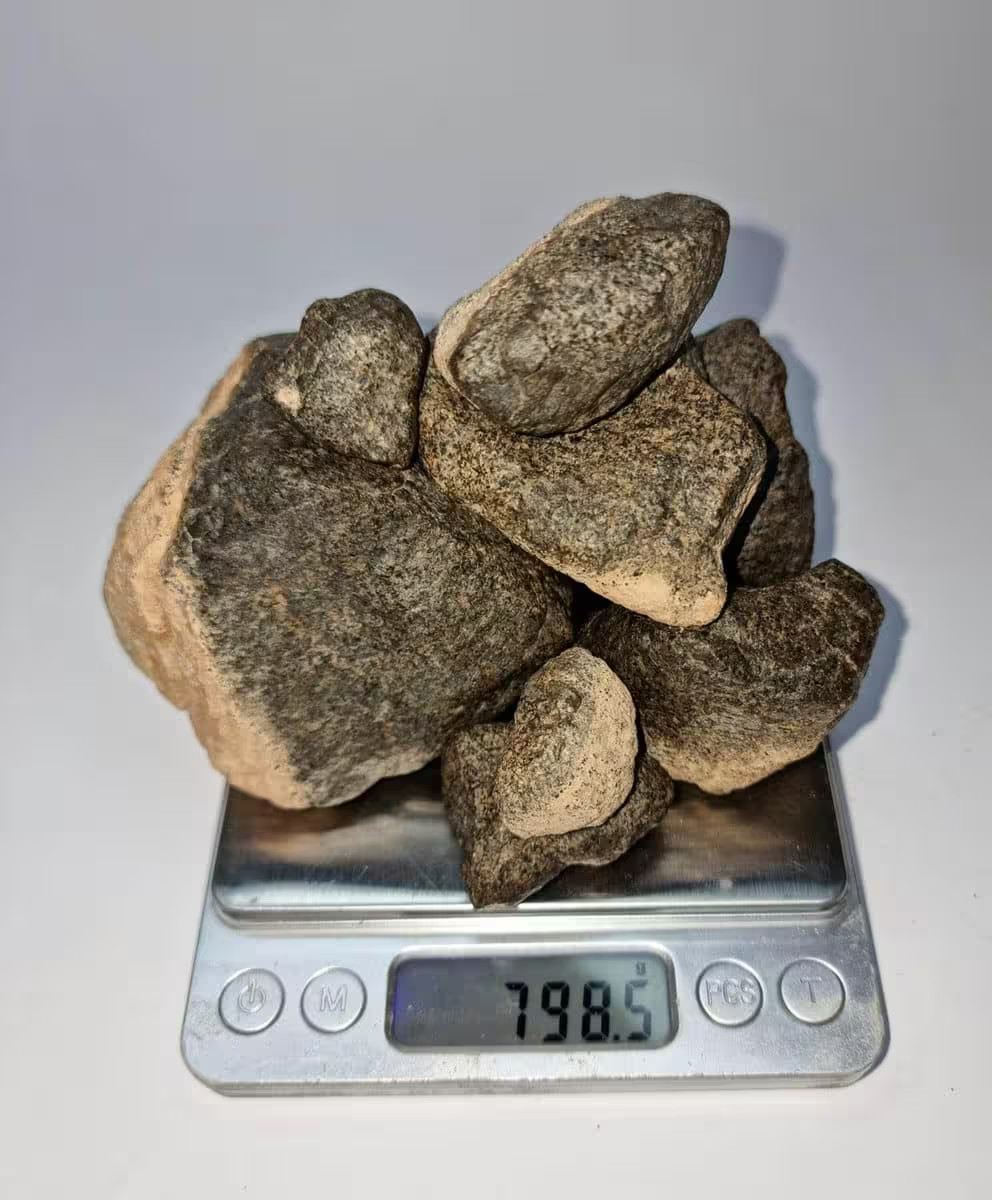
A rare meteorite recovered from the Sahara Desert is offering planetary scientists a startling window into the Martian environment as it existed 4.1 billion years ago. The specimen, known as Teghaza 001, bears unmistakable chemical markers of aqueous alteration, suggesting that during the Red Planet’s infancy, its surface was far more geologically active and Earth-like than the desolate, frozen landscape observed today.
The discovery began when Carl Agee of the University of New Mexico identified the rock’s anomalous characteristics. Unlike typical Martian meteorites, which often feature complex, multi-fragmented compositions, Teghaza 001 is a singular igneous rock. This uniformity provided researchers with a cleaner, more direct record of its formation environment. The subsequent analysis, a multi-institutional effort involving experts from NASA’s Jet Propulsion Laboratory, Caltech, UCLA, and the University of Maine, was published on October 29, 2026, in the journal Science.
Deep Time in a Martian Fragment
The significance of the find lies in its exceptional age. While most Martian meteorites in human collections represent relatively recent geological eras, uranium-lead dating conducted by NASA’s Yang Liu confirmed that Teghaza 001 is at least 4.1 billion years old. This places the rock squarely within the Pre-Noachian period, a formative chapter in Martian history when the planet likely maintained a denser atmosphere, a functional magnetic field, and persistent surface water.
“It’s the oldest Martian igneous rock ever found by a huge margin,” Agee noted, emphasizing that the mineralogical evidence points toward an environment shaped by flowing fluids. “It seemed to have these clues in its composition that suggested it had been in an environment that had fluids and water coursing through it.”
Evidence of a Hydrothermal Past
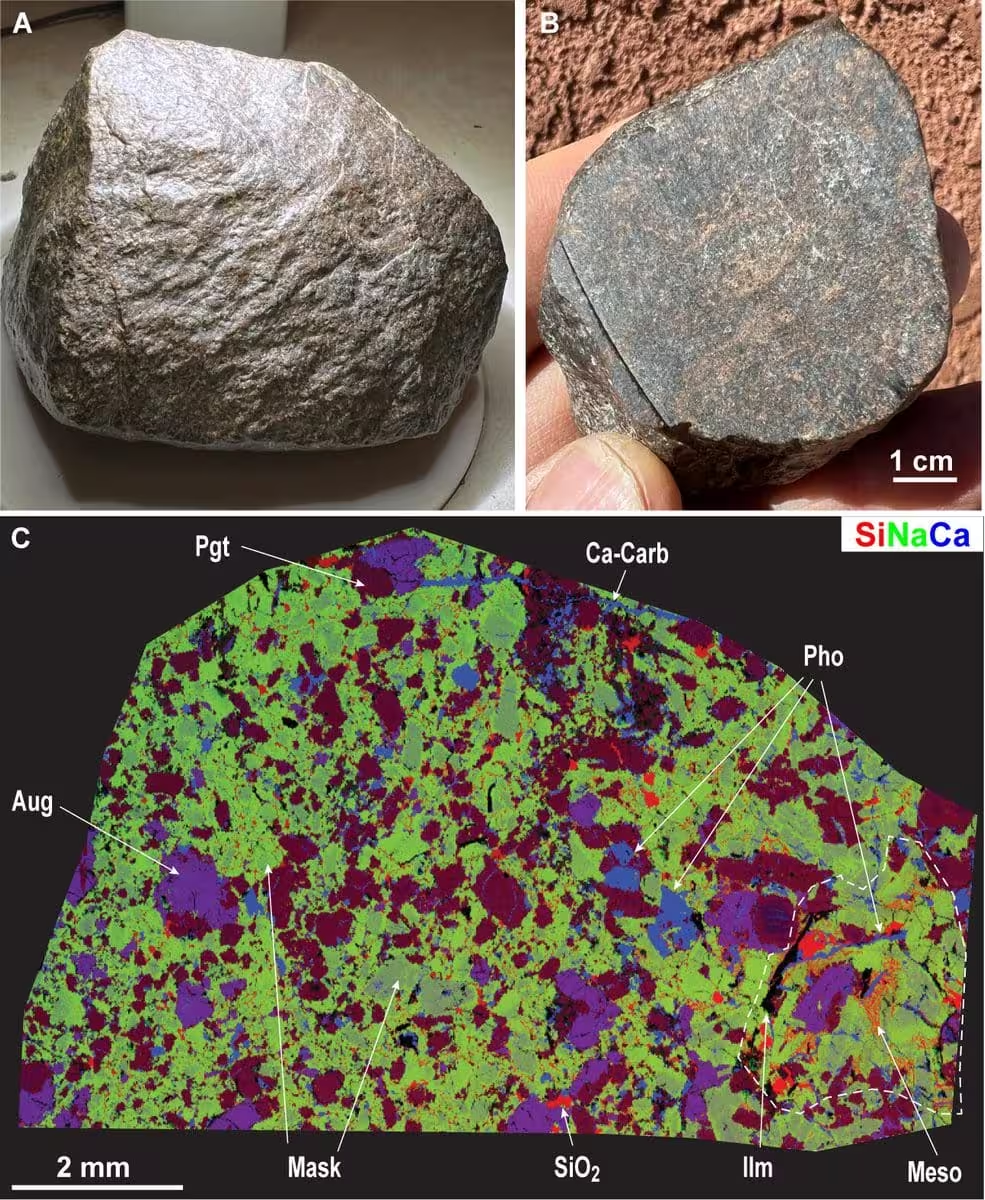
Beyond its age, the chemical signature of the meteorite has drawn intense interest. Researchers, including Karen Ziegler, identified regions rich in manganese oxide and distinct oxygen isotope values. On Earth, manganese-rich deposits are often linked to water-influenced environments and, in some contexts, biological processes. While the team stresses that this is not evidence of life, it confirms that the early Martian surface supported hydrothermal systems fueled by volcanic activity.
Tracing the Source
While the meteorite’s origin is confirmed as Martian, pinning down its specific point of departure remains a challenge. By cross-referencing the rock’s unique chemical profile with orbital data, the research team identified the southern highlands of Mars as the most likely source region. This area, largely untouched by robotic explorers, remains a potential hotspot for future missions seeking to understand the planet’s primordial crust.
“We’ve never found one like this before,” Agee said. “The most exciting part about this find is its age, plus the alteration in the meteorite that indicates it has been in what I would call an Earth-like environment, with fluids coursing over the surface and volcanoes creating hydrothermal systems.”
The full study provides a significant step forward in mapping the history of Mars, illustrating that the planet once hosted the exact conditions necessary for complex geological—and perhaps even biological—evolution.
This article has been fact checked for accuracy, with information verified against reputable sources. Learn more about us and our editorial process.
Last reviewed on .
Article history
- Latest version
Reference(s)
- “Carl B. Agee :: Earth & Planetary Sciences | The University of New Mexico.” <https://eps.unm.edu/people/faculty/profile/carl-agee.html>.
- “JPL Science: Yang Liu.” <https://science.jpl.nasa.gov/people/yliu3/>.
- Liu, Yang., et al. “A Martian meteorite that formed ≳4.1 billion years ago samples Mars’ early crust and mantle.” Science, October 29, 2026 American Association for the Advancement of Science (AAAS), doi: 10.1126/science.adz5646. <https://www.science.org/doi/10.1126/science.adz5646>.
Cite this page:
- Posted by Bilal Abbasi