Ancient Shark Teeth Found On The Seafloor Are Turning Into Natural Lithium Batteries
Ancient shark teeth found deep in the Atlantic are turning black, revealing a surprising secret about the metal-rich environments where they fossilize.
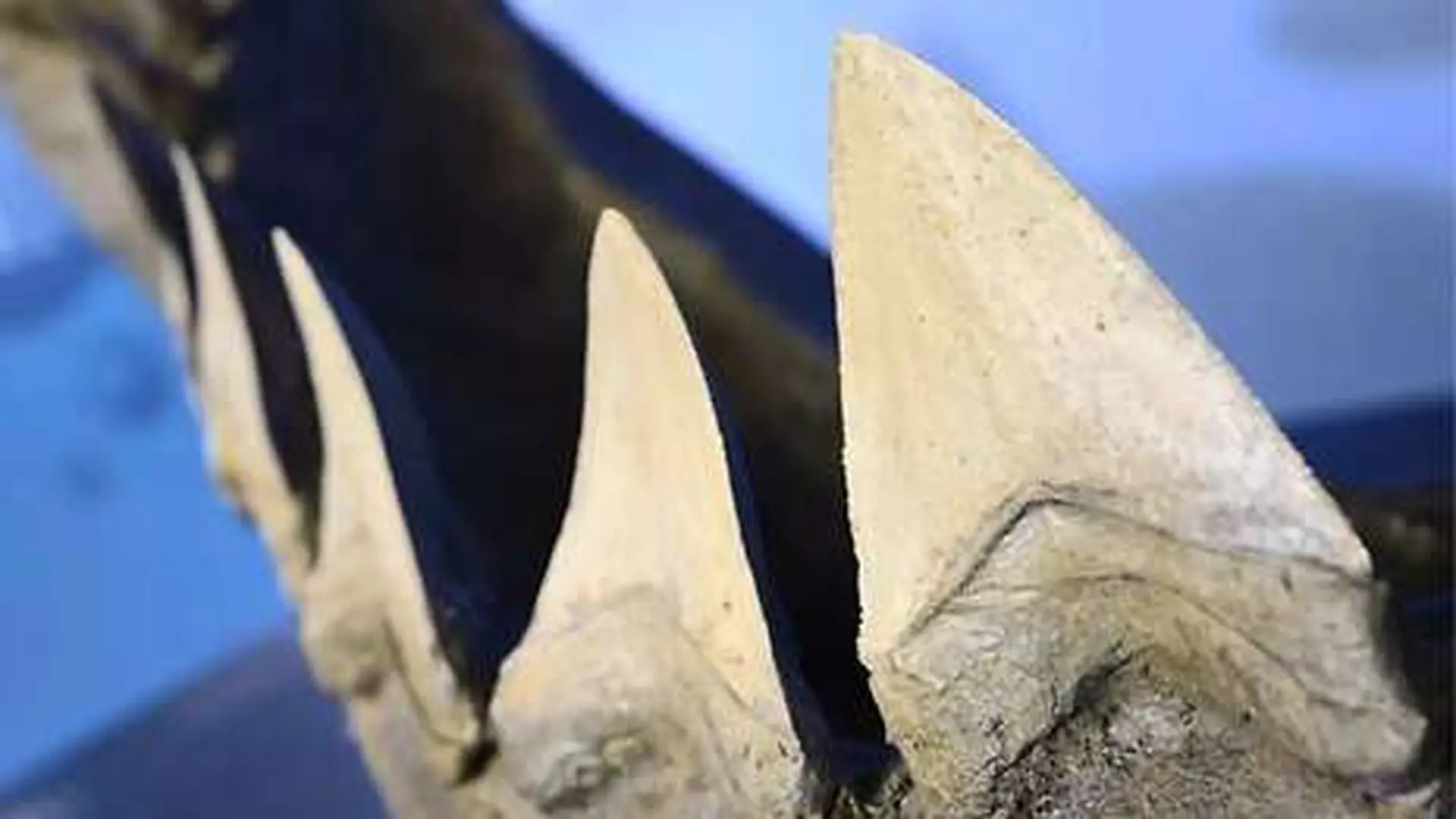
Roughly 1,000 kilometers off the Brazilian coastline, a vast, submerged plateau hides a wealth of scientific insight within the fossils of ancient sharks. Resting on the seafloor, these teeth have gradually darkened over millions of years, encased in a hard shell of iron and manganese oxides. A new international study has now mapped the precise chemical transformation that turns these biological remains into natural mineral traps for valuable metals.
The research, published in Scientific Reports, reveals that the mineralization process begins deep within the tooth’s structure, specifically inside microscopic channels thinner than a human hair. Ultimately, these cavities become repositories for manganese minerals highly enriched with lithium and nickel, two elements critical to modern battery technology. In some mineral phases, researchers found nickel concentrations reaching approximately 37,000 micrograms per gram.
A Submerged Continent-Scale Plateau
The specimens were recovered from the Rio Grande Rise, a massive oceanic plateau stretching 1,500 kilometers across the South Atlantic. While it now sits hundreds of meters below the waves, evidence suggests it was once an above-water landmass. Research conducted in 2023 identified red clay consistent with tropical volcanic soils, confirming the region was formerly a forested tropical island before tectonic shifts forced it to sink.
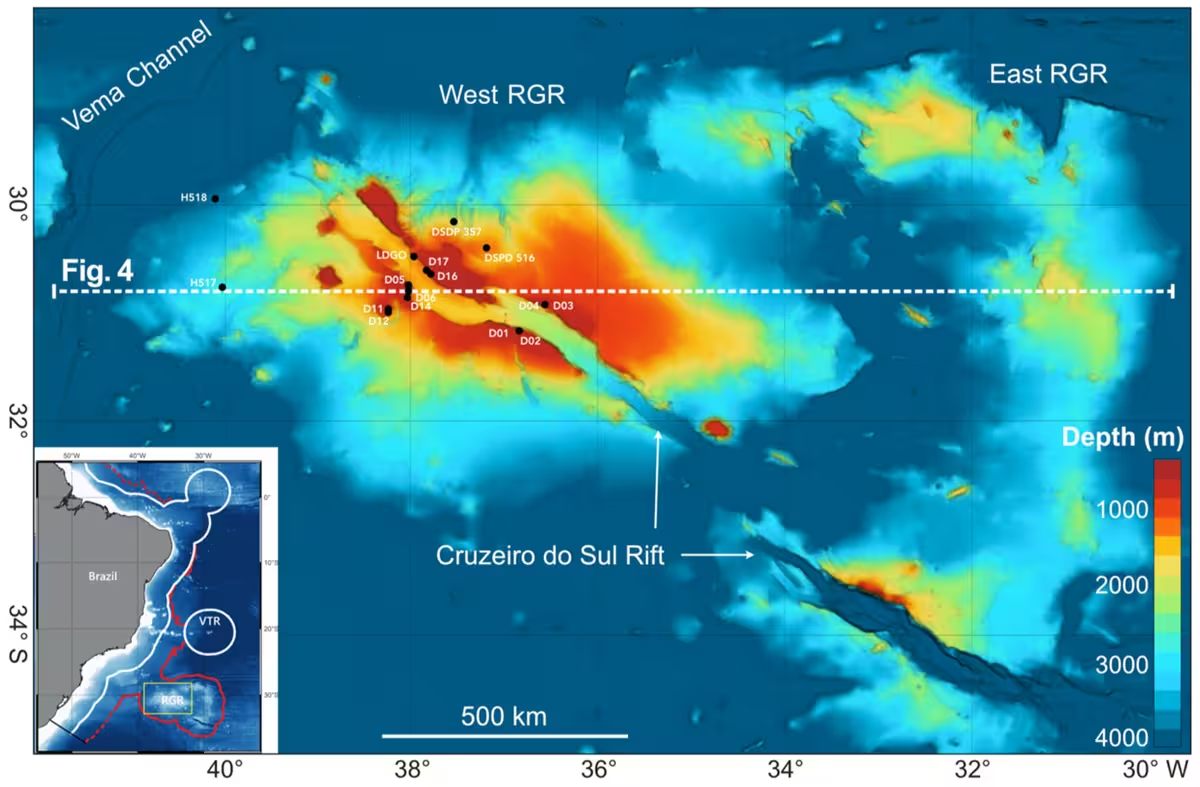
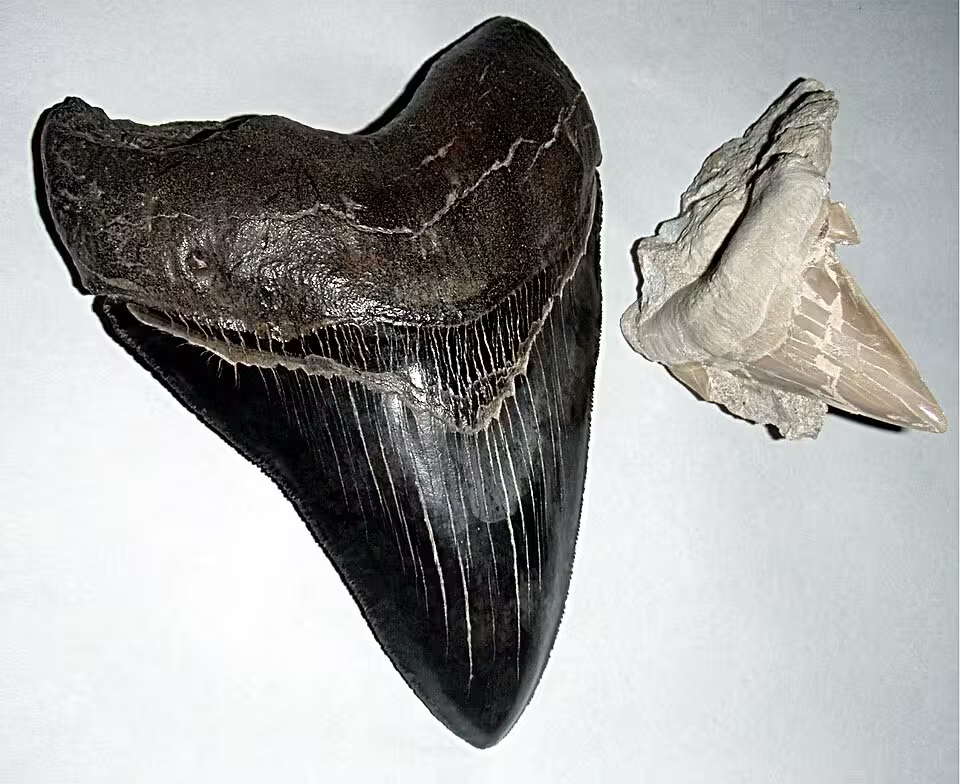
The plateau is blanketed in ferromanganese crusts, which accumulate at an incredibly slow rate of just millimeters per million years. These deposits are highly sought after for their cobalt, copper, and rare earth elements. Shark fossils are frequently discovered embedded within these layers, including a notable megalodon tooth identified in 2012, which marked the first such discovery in the South Atlantic offshore region.
Mineral Accumulation Within Biological Microstructures
To understand how these minerals accumulate, the research team—led by Thales C. Felipe of the University of São Paulo—analyzed the teeth using high-resolution imaging and spectroscopic tools. The teeth, composed of bioapatite, feature a porous inner layer known as dentine. As the tooth settles on the seafloor, these internal tubes provide a unique micro-environment where seawater and microbes facilitate the precipitation of metallic minerals.
The study outlines four distinct stages of mineral development:
- Bio-degradation: The tooth’s bioapatite begins to break down, aided by organic decay and microbial activity.
- Iron Deposition: Nanoscale particles of goethite, an iron oxide, attach to the walls of the dentine tubes.
- Lithiophorite Formation: Manganese oxidizes to form a layered structure that traps significant concentrations of lithium and nickel.
- Final Mineralization: Rare earth elements and yttrium migrate into the altered structure, while clay eventually fills any remaining voids.
Advanced Imaging at the Sirius Synchrotron
A pivotal aspect of the investigation involved the Sirius synchrotron in Campinas, Brazil. Using X-ray absorption spectroscopy at the facility’s Carnaúba beamline, the researchers were able to examine materials at a nanometer scale. These measurements confirmed the chemical state of the iron and manganese, revealing the specific oxidation states that allow for the efficient capture of battery-grade metals.
By observing how these teeth transform, the researchers have created a microscale model that illustrates the earliest stages of ferromanganese crust formation. This mechanism offers a clearer window into how the Earth’s largest marine mineral reservoirs are formed, providing valuable insights into the geochemical cycles that concentrate critical resources on the ocean floor.
This article has been fact checked for accuracy, with information verified against reputable sources. Learn more about us and our editorial process.
Last reviewed on .
Article history
- Latest version
Reference(s)
- Felipe, Thales. “Fossil shark teeth record a microscale pathway for ferromanganese oxide nucleation and Li–Ni enrichment in deep-sea biogenic substrates - Scientific Reports.”, October 22, 2026 Nature, doi: 10.1038/s41598-026-75019-9. <https://www.nature.com/articles/s41598-026-75019-9>.
- <https://www.mdpi.com/2075-163X/16/4/418>.
- <https://phys.org/news/2024-02-rio-grande-giant-mineral-rich.html>.
- “290.” <https://jgsb.sgb.gov.br/index.php/journal/article/view/290>.
- “22554443.” <https://zenodo.org/records/22554443>.
Cite this page:
- Posted by Bilal Abbasi