Curiosity Finds Giant Polygon Honeycomb and Mysterious Dark Rocks in Gale Crater
Curiosity explores a polygon-covered Martian region with dark rocks, offering fresh clues and new questions about Mars’ geological history.
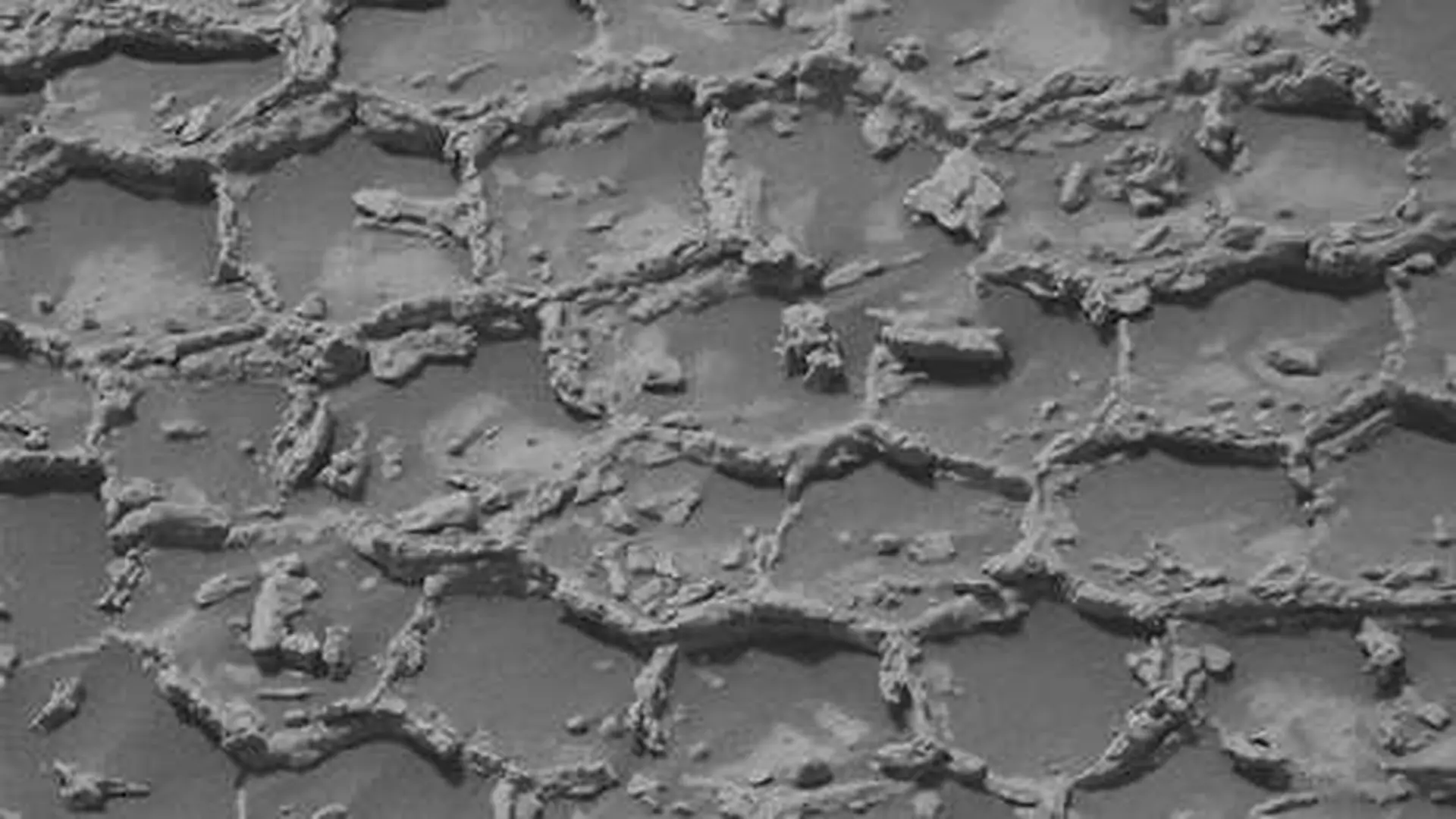
NASA’s Curiosity rover has arrived at a strikingly patterned region inside Gale Crater, where a wide expanse of polygonal ridges is dotted with dark rocks of uncertain provenance. The latest mission brief from NASA describes a landscape that diverges sharply from orbital expectations, adding a fresh chapter to the rover’s quest to decode Mars’ layered geological record.
Polygonal Ridges Reveal a Hidden Martian Terrain
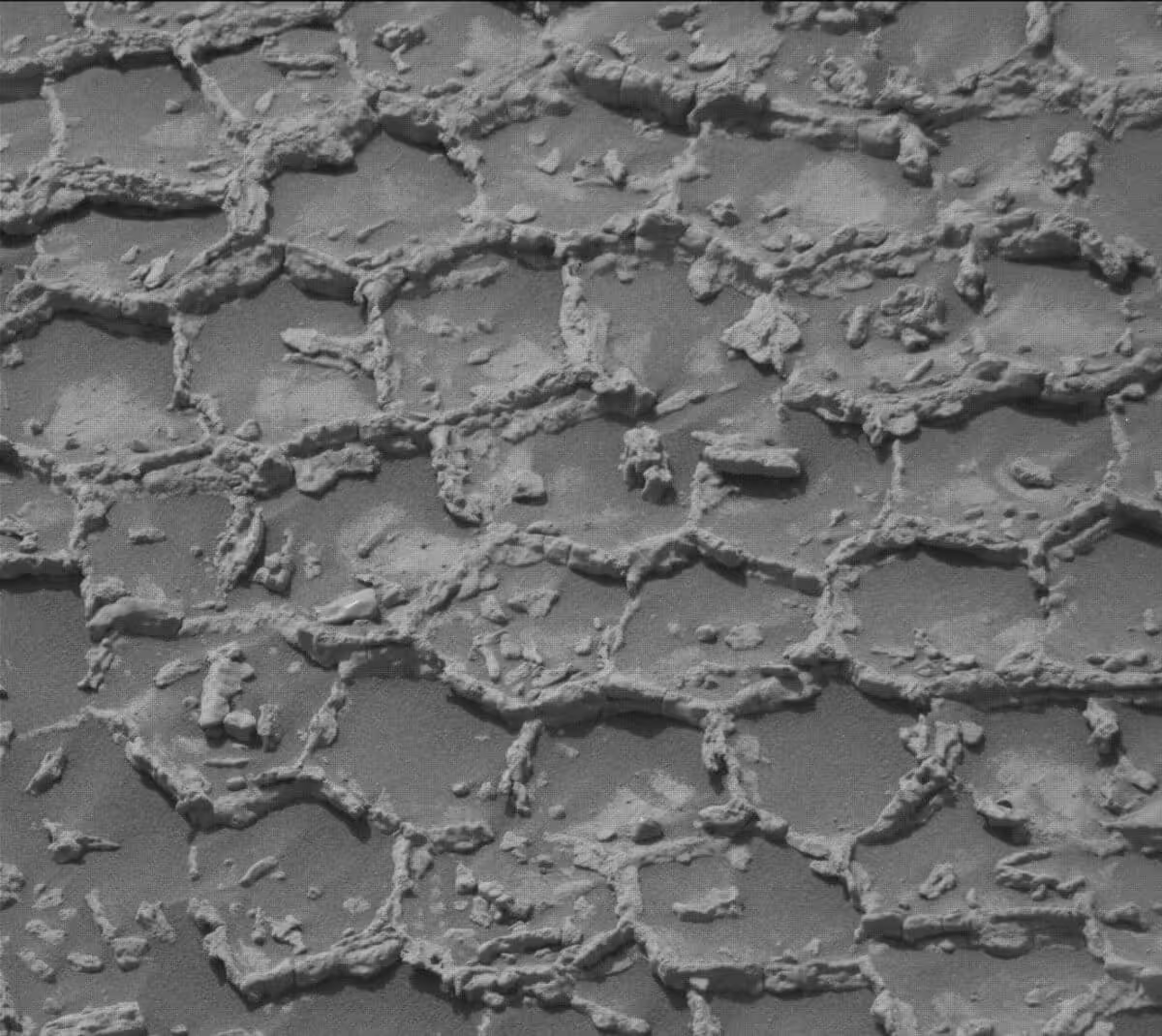
Orbital images had suggested a relatively uniform, light‑toned surface, yet after Curiosity rolled onto the ground, the rover encountered a maze of raised, polygon‑shaped ridges that stretch across the area, reminiscent of a giant honeycomb. As the vehicle progresses deeper into the formation, the ridges appear increasingly weathered, offering scientists a natural cross‑section to track how these structures have changed over time. The progression across the field supplies clues about the ancient environmental conditions that sculpted this sector of Gale Crater billions of years ago.
The varied textures also enable the science team to juxtapose different erosion stages within a single geological unit, a key step in piecing together the region’s history and the interplay of water, sediment and climate over vast timescales. While polygonal fracture patterns have been documented elsewhere on the Red Planet, the sheer size of this field makes it a valuable laboratory for studying Mars’ early surface processes.
Dark Pebbles Prompt Questions About Their Source
Adding to the intrigue, the polygon‑covered plain is scattered with numerous dark‑toned pebbles and cobbles that could hold vital information about the planet’s past, or possibly hint at extraterrestrial material. Senior Research Scientist William Farrand of the Space Science Institute noted in the latest mission report that the team is still assessing where these rocks originated.
“Littered about this unit are pebble to cobble-sized dark-toned rocks,” Farrand wrote, among the unresolved questions researchers with the Curiosity team have “is whether these are bits of Mars that ‘floated’ down from higher in the stratigraphy, were ejected from distant impacts outside of Gale crater, or are meteorites from beyond Mars altogether.”
Earlier examinations of similar dark stones revealed traces of nickel, an element often linked to meteorites but also present in certain Martian rocks. This makes each newly identified cobble a compelling target for further analysis. By comparing their chemistry and mineralogy with the surrounding bedrock, scientists aim to decide whether the rocks were mobilized across the planet, launched from far‑flung impact sites, or survived a passage through the atmosphere as extraterrestrial visitors. Each scenario would illuminate a different facet of Mars’ long geological narrative.
Instrument Suite Tackles the New Terrain
To explore the site in depth, the rover’s crew organized a multi‑day observation plan that leverages several of Curiosity’s most powerful tools. “After driving further towards the upper boundary of the light‑toned, polygon‑covered unit, the three‑sol Friday plan included APXS and MAHLI measurements of another polygon ridge and one of the dark‑toned cobbles,” the Curiosity blog notes. The Alpha Particle X‑ray Spectrometer (APXS) determines elemental composition, while the Mars Hand Lens Imager (MAHLI) provides high‑resolution close‑ups of surface textures.
The rover also fired its ChemCam laser at both ridge material and dark stones, enabling remote elemental analysis from several meters away. Additional data collection comprised wide‑angle Mastcam mosaics of nearby mesas, atmospheric opacity checks, and searches for dust devils. By integrating these diverse observations, scientists can weave together chemistry, morphology and environmental context into a comprehensive geological story.
Upcoming Traverse Aims to Bridge Geological Gaps
Curiosity’s work in this polygon field is ongoing, with plans to exit the light‑toned unit and approach a darker, more rugged formation identified from orbit. This shift promises a chance to contrast rock layers that may have formed under distinct conditions or at different epochs in Mars’ past.
Each new terrain transition refines the timeline of Gale Crater’s development and sharpens our picture of how the landscape evolved over billions of years. The discovery of the extensive polygon network and its enigmatic dark rocks underscores that Mars still holds surprises, even after years of exploration. As Curiosity pushes forward, every measurement adds detail to the evolving portrait of the Red Planet’s ancient environment.
This article has been fact checked for accuracy, with information verified against reputable sources. Learn more about us and our editorial process.
Last reviewed on .
Article history
- Latest version
Reference(s)
- Carney, Stephen. “Curiosity Blog, Sols 4934-4940: In the Land of the Polygons - NASA Science.”, July 1, 2026 NASA <https://science.nasa.gov/blog/curiosity-blog-sols-4934-4940-in-the-land-of-the-polygons/>.
Cite this page:
- Posted by Bilal Abbasi