Why Severe Diabetes Emergencies Dropped by Half in a Decade
A Norwegian study of 178 patients reveals falling hospital visit rates, but uncovers stark long-term survival risks tied to mental health and substance use.
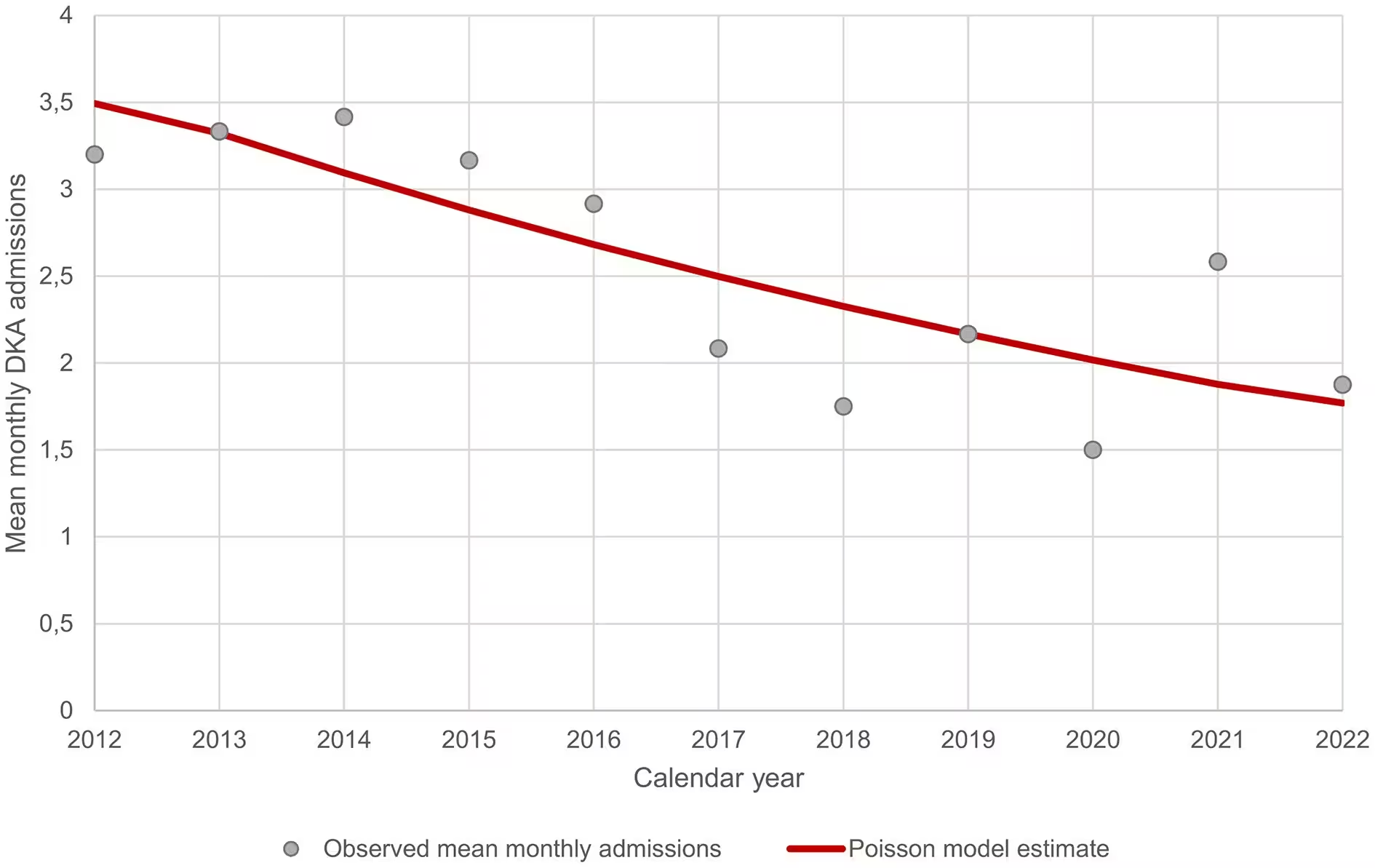
Insulin pump failure and missed doses trigger thousands of emergency hospital visits every year, but new research reveals a surprising downward trend in severe metabolic crises over a decade. A comprehensive review of adult patients treated for dangerous blood acid buildups reveals that hospital admissions dropped by more than half between 2012 and 2022, pointing to major strides in self-care technology.
The retrospective study, published in PLOS One, examined medical records at a Norwegian university hospital to track how diabetic ketoacidosis evolved among adults living with type 1 diabetes. Diabetic ketoacidosis is a life-threatening medical emergency that occurs when the body lacks enough insulin to process blood sugar, forcing it to break down fat instead and flooding the bloodstream with toxic acids called ketones.
Why Hospital Visits Dropped Significantly Over Ten Years
The research team, led by medical specialists from Haukeland University Hospital in Bergen, analyzed 306 admissions involving 178 unique participants across a ten-year period. While previous studies in the United States and the United Kingdom reported rising emergency admission rates, this Norwegian cohort experienced an estimated 6.9 percent annual decline in hospital visits for the condition, totaling a roughly 51 percent reduction over the decade.
The investigators suggest that this positive shift coincides with the rapid adoption of continuous glucose monitoring devices. Among the clinic’s patients, the use of continuous glucose monitors jumped from just 5 percent at the start of the study period to 81 percent by 2022. These wearable sensors alert users to dangerous glucose trends before they spiral out of control, helping patients catch rising sugar levels and take corrective action early.
Despite the falling number of overall visits, the severity of the cases that did reach the emergency room remained high. More than half of all reviewed admissions were classified as severe, with patients exhibiting profound acidity and electrolyte imbalances. Furthermore, the median glycated hemoglobin, a measure of long-term blood sugar control known as HbA1c, sat at a high 88 mmol/mol among the cohort, indicating that most individuals experienced chronically elevated blood sugar before their emergency admission.
What Causes People to End Up in the Emergency Room
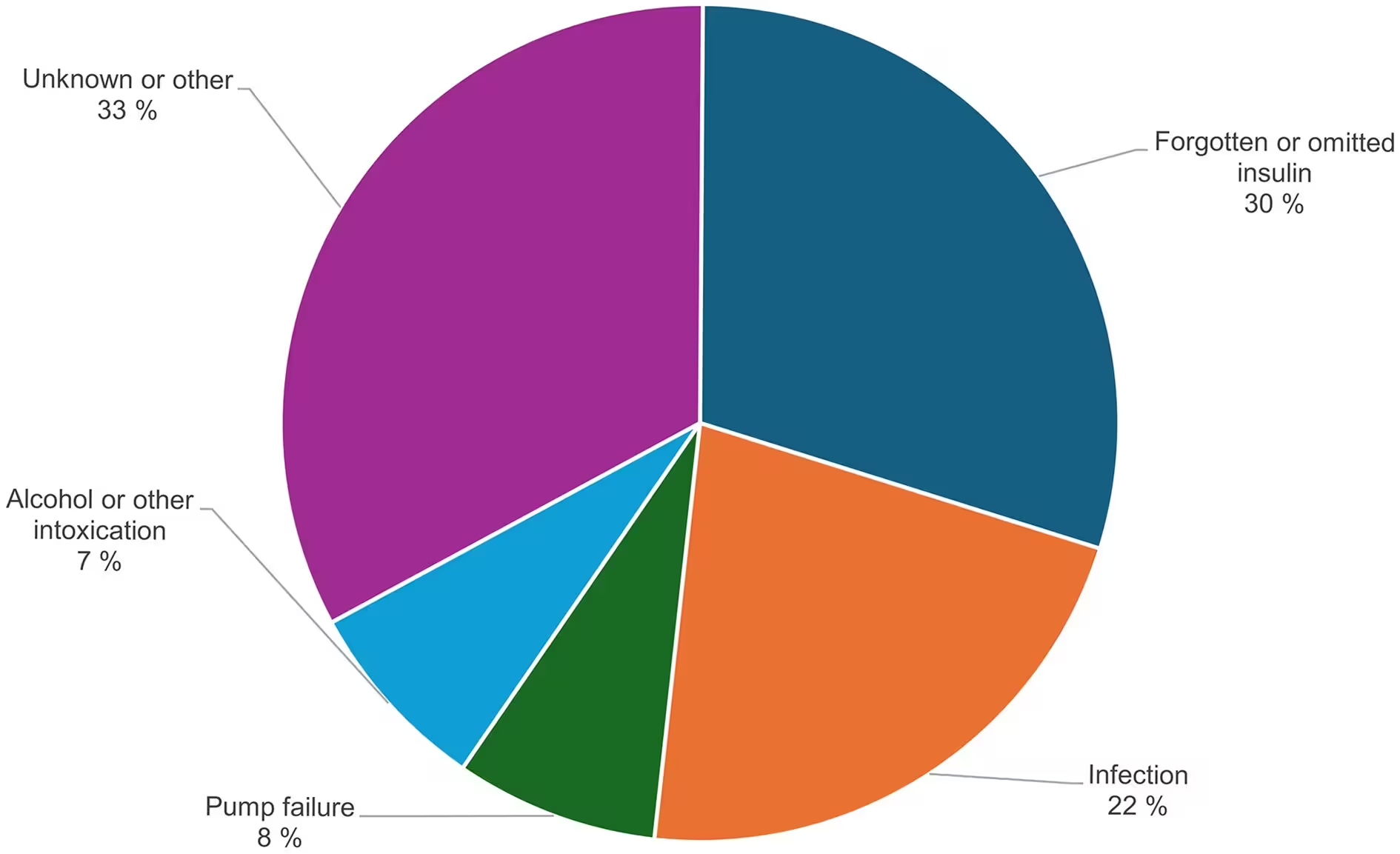
When looking at the immediate triggers behind these dangerous episodes, forgotten or voluntarily omitted insulin doses stood out as the single most common cause, accounting for nearly 30 percent of admissions. Infections were the second major catalyst, responsible for about 22 percent of emergency visits. Pump failures, whether caused by equipment malfunctions or user error, accounted for nearly 8 percent of the total episodes.
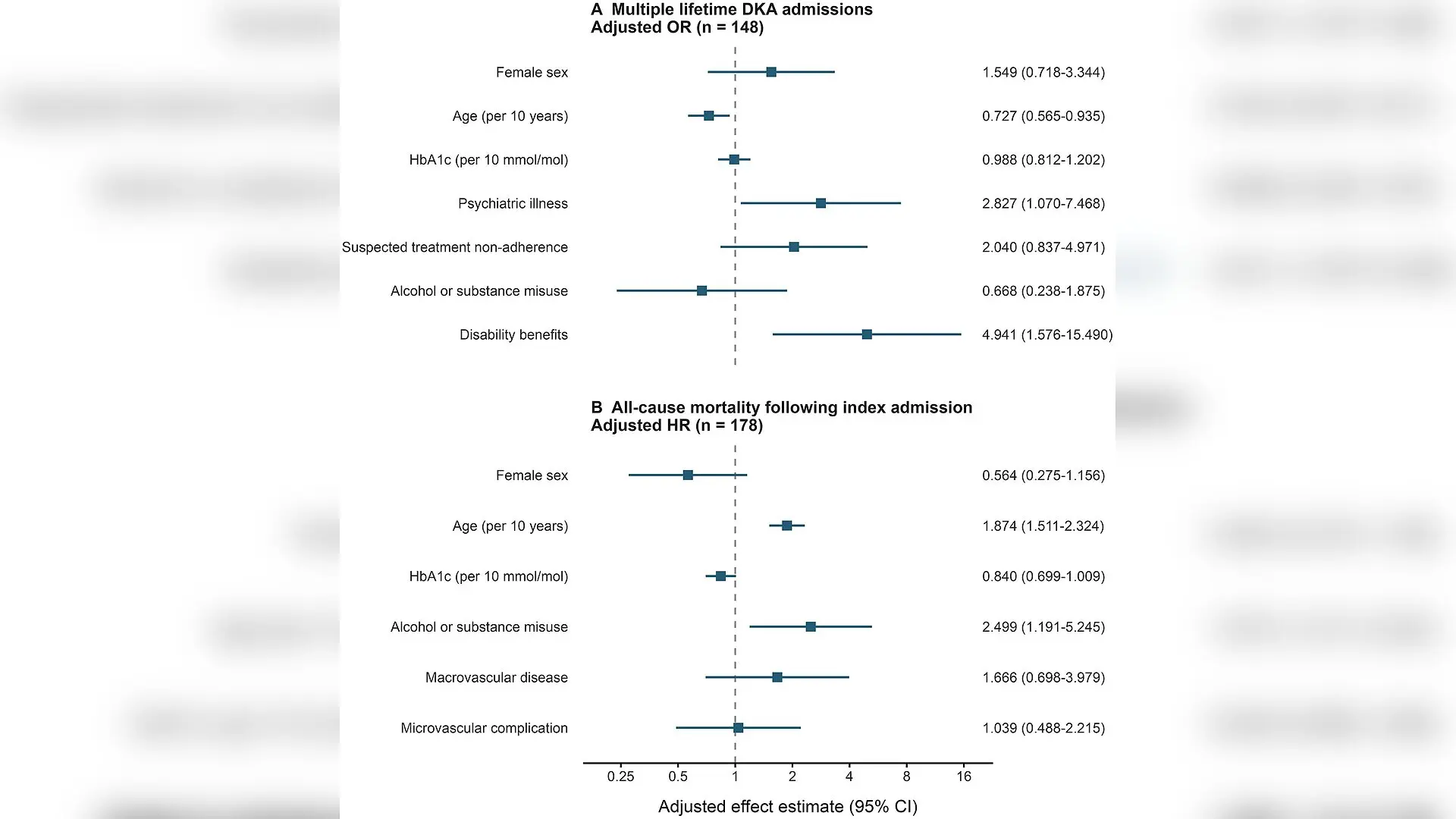
A deeper look at the data uncovered important psychosocial links. Among admissions where insulin had been forgotten or intentionally skipped, a diagnosed psychiatric illness was present in 40 percent of the cases. The statistical analysis further revealed that psychiatric conditions and the receipt of government disability benefits were strongly associated with having multiple lifetime hospital admissions for the metabolic crisis.
Patients who had previously experienced ketoacidosis also faced a substantially higher risk of being readmitted. The authors emphasize that these patterns demonstrate how emotional health and social support systems play an enormous role in physical disease management, often overshadowing pure technology access.
Understanding the Long-Term Survival Risks
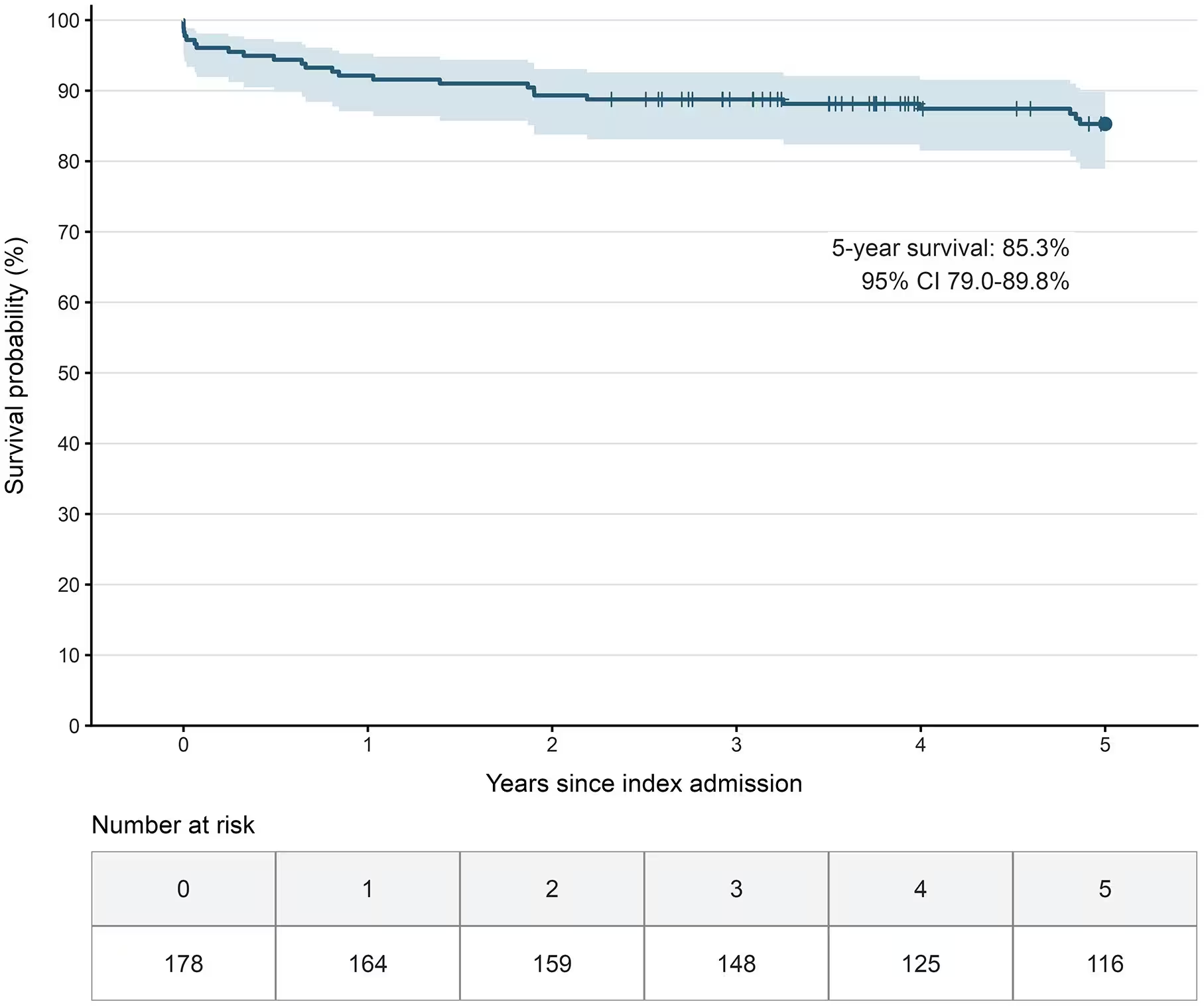
While deaths occurring directly inside the hospital were rare, long-term mortality following an emergency admission proved to be considerable. The researchers calculated a five-year mortality rate of nearly 15 percent following the first observed hospital visit during the study window. The median age at death for those who did not survive the full follow-up period was 59 years.
Statistical models identified advanced age and a documented history of alcohol or substance misuse as significant predictors of all-cause mortality, with substance misuse raising the hazard of death by two and a half times. The authors note that intoxication presents severe hurdles for maintaining complex insulin regimens, and they call for holistic care models that integrate mental health support, substance abuse counseling, and tailored diabetes education.
The study does carry certain limitations, primarily stemming from its retrospective design and reliance on electronic medical records, which occasionally lacked complete documentation regarding lifestyle factors or specific ketone levels. Nevertheless, the findings highlight that while modern glucose sensors and pumps are helping drive down overall admission frequencies, healthcare providers must actively identify and support vulnerable individuals who remain trapped in cycles of severe metabolic distress.
The research was published in PLOS One on November 13, 2026.
This article has been fact checked for accuracy, with information verified against reputable sources. Learn more about us and our editorial process.
Last reviewed on .
Article history
- Latest version
Reference(s)
- Soleim, Sebastian Breivik., et al. “Trends and outcomes in diabetic ketoacidosis: A 10-year retrospective study at a Norwegian university hospital.” PLOS One, vol. 21, no. 11, November 13, 2026, pp. e0362629 Public Library of Science (PLoS), doi: 10.1371/journal.pone.0362629. <https://doi.org/10.1371/journal.pone.0362629>.
Cite this page:
- Posted by Anjali Singh