Galaxy Hunting Telescope Accidentally Spots Mysterious New Comet 808 Million Miles Away
Astronomers have discovered a surprise comet in an unexpected location, identified after a meticulous analysis of routine deep-space imaging data.
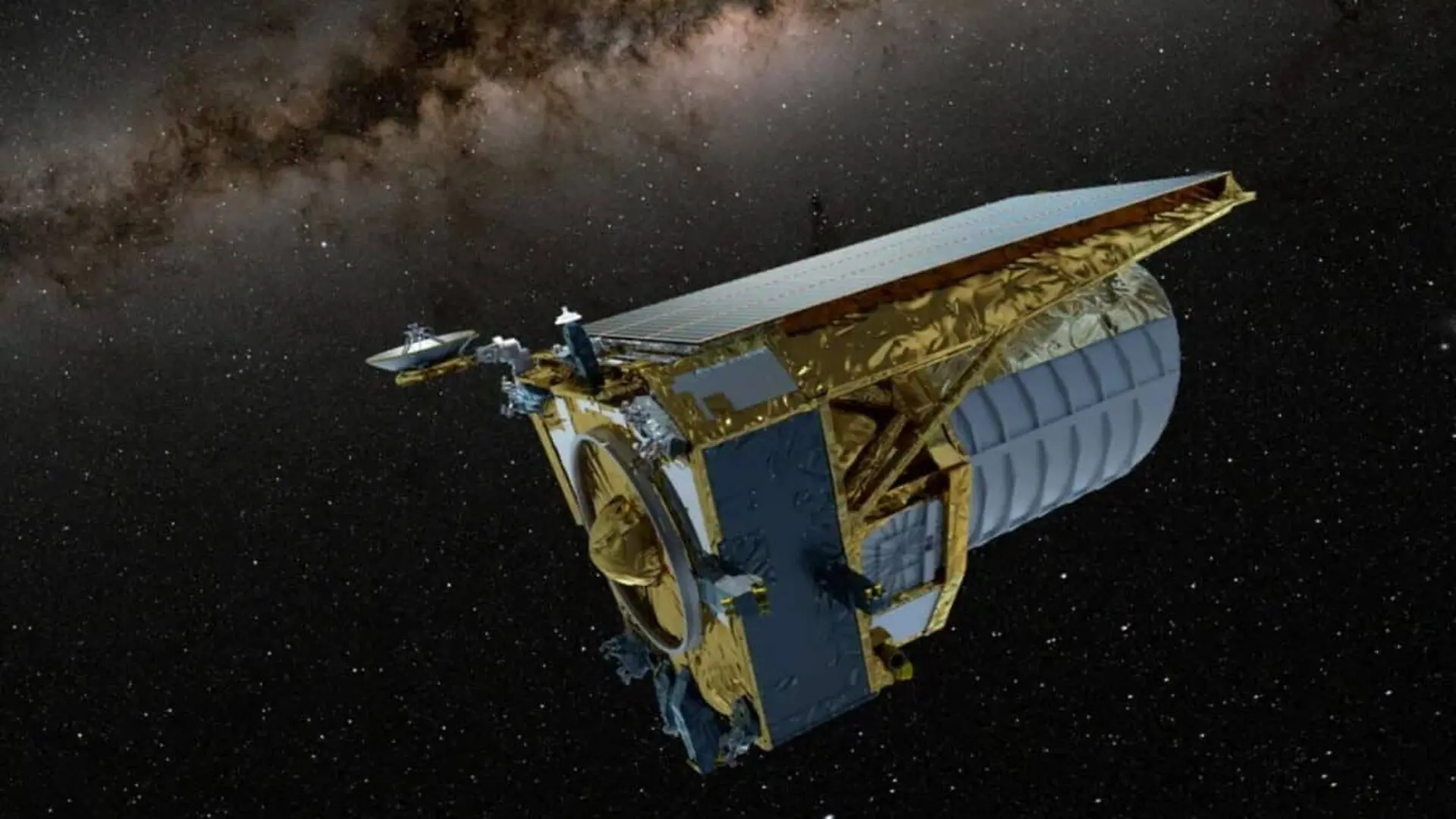
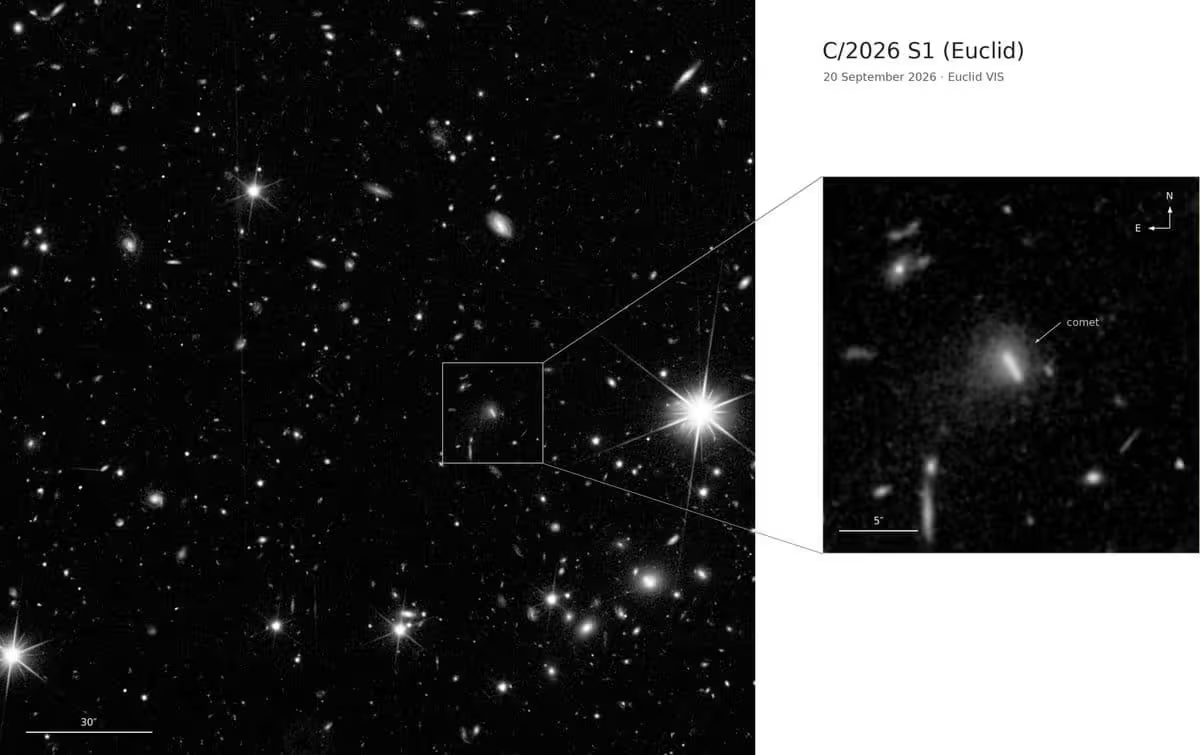
Astronomers have identified a previously unknown comet lurking in the outer reaches of the solar system, discovered by a telescope specifically engineered to look far beyond our galactic neighborhood. The European Space Agency’s Euclid space telescope, while tasked with mapping the distant universe, successfully captured images of the object, now cataloged as C/2026 S1 (Euclid), as it traversed a region of space rarely monitored for such visitors.
The comet was initially detected in observational data collected between September 16 and 24, 2026. Because Euclid’s primary mission focuses on distant galaxies, it typically avoids the orbital plane of our solar system where dust and debris are concentrated, as these elements can introduce significant interference. However, the comet appeared in a patch of sky well above that cluttered plane, presenting a unique opportunity for detection.
Serendipitous Discovery in the Deep Sky
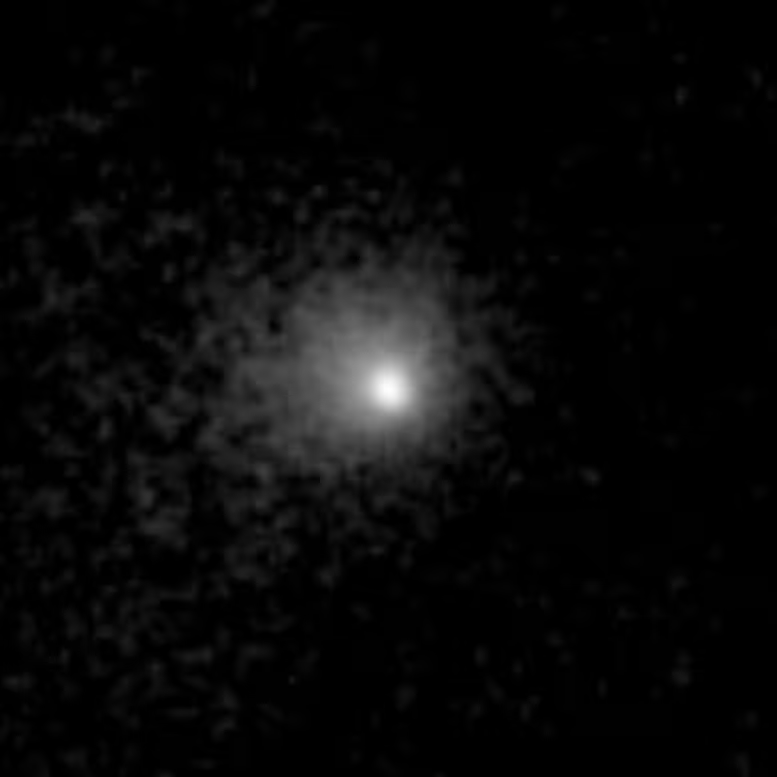
At the time of its identification, the comet was located approximately 808 million miles (1.3 billion kilometers) from Earth. Its orbit is exceptionally long, spanning thousands of years, which likely keeps it far from the Sun for the vast majority of its journey. According to Bruno Altieri, a Euclid Archive Scientist, the detection was a rare convergence of events, as the telescope’s “step-and-stare” observational strategy—which typically captures a given area of the sky only once—does not inherently favor the discovery of fast-moving objects.
The discovery was spearheaded by Mikko Pöntinen, a researcher at the University of Helsinki. Pöntinen utilized specialized software designed to sift through Euclid’s image archives to isolate moving bodies. Upon flagging a distinct “streak” across multiple exposures, he was able to track the object across five separate image sets. Further analysis revealed a coma—the hallmark fuzzy cloud of gas and dust that signals a comet undergoing active sublimation as it approaches the solar system’s warmth.
Testing Future Coordination Protocols
Once Pöntinen confirmed the object was not in any known database, the finding was reported to the International Astronomical Union’s Minor Planet Center. Ground-based confirmation followed shortly after, cementing the comet’s official record on October 8, 2026. While C/2026 S1 is not an intended target for the Comet Interceptor mission, the event served as a critical operational exercise.
As Valeria Pettorino, the Euclid Project Scientist, noted, the ability to rapidly detect, report, and verify moving objects within Euclid’s data provides a vital blueprint for future mission coordination. By refining the techniques used to filter out noise, researchers are not only improving the quality of their deep-space galaxy surveys but also enhancing the agency’s capacity to respond to unexpected transient events within our own solar system.
This article has been fact checked for accuracy, with information verified against reputable sources. Learn more about us and our editorial process.
Last reviewed on .
Article history
- Latest version
Reference(s)
- “Bruno Altieri - Personal Profiles - Cosmos.” Personal Profiles <https://www.cosmos.esa.int/web/personal-profiles/bruno-altieri>.
- “Mikko Pöntinen.” University of Helsinki Research Portal <https://researchportal.helsinki.fi/en/persons/mikko-p%C3%B6ntinen/>.
- “Comet Interceptor.” <https://www.esa.int/Science_Exploration/Space_Science/Comet_Interceptor>.
- “Valeria Pettorino - Personal Profiles - Cosmos.” Personal Profiles <https://www.cosmos.esa.int/web/personal-profiles/valeria-pettorino>.
Cite this page:
- Posted by Aisha Ahmed