One in Five Adults in Subtropical Bhutan Shows Signs of Silent Bacterial Exposure
A new study reveals that paddy farming and unboiled drinking water drive high rates of hidden Leptospira exposure across southern communities.

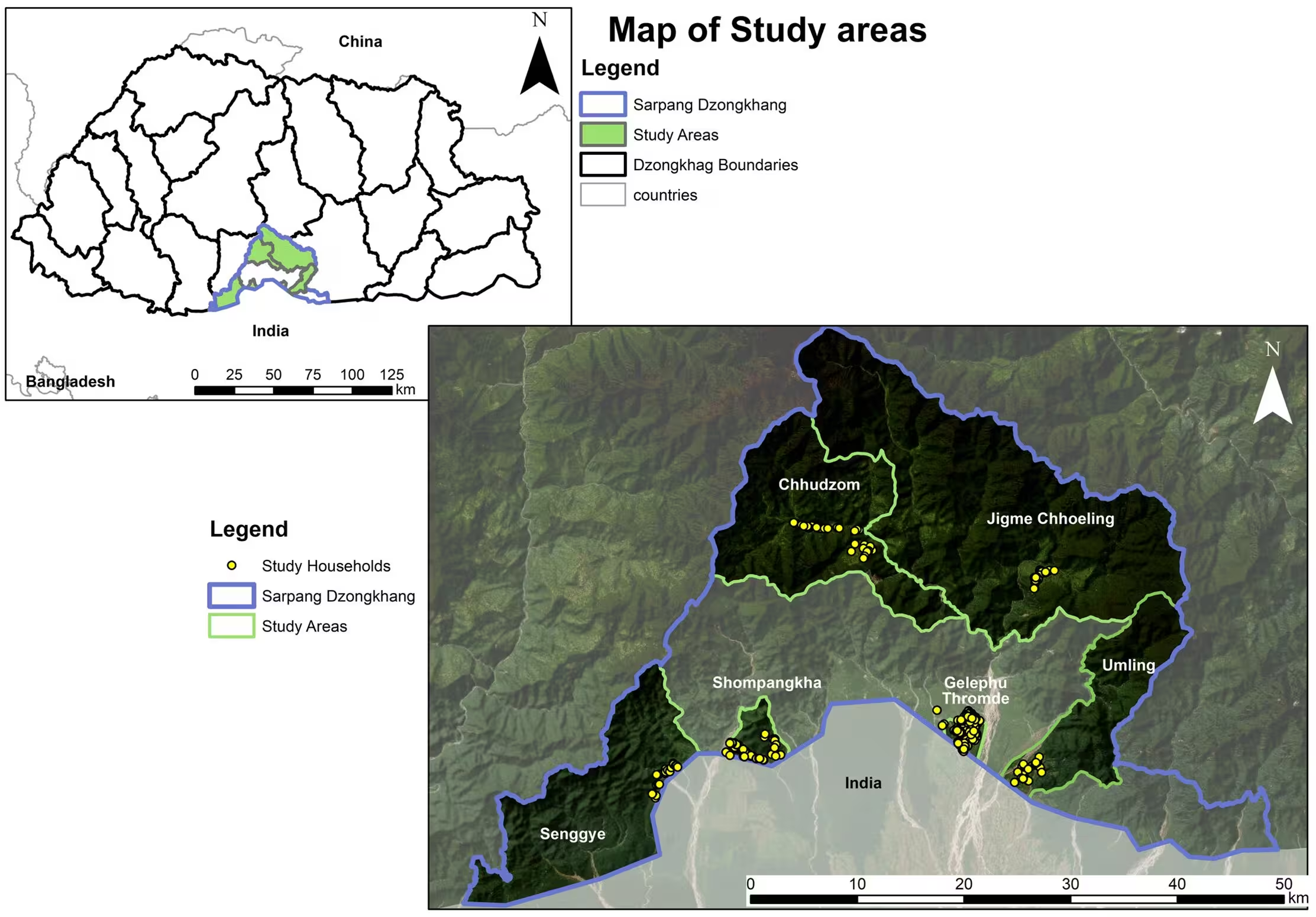
Nearly twenty percent of adults in subtropical communities of southern Bhutan carry antibodies against Leptospira bacteria, revealing an invisible health burden hiding in plain sight. Monu Tamang and colleagues published in PLOS Neglected Tropical Diseases that one in five people tested across six areas in the Sarpang district show serological evidence of prior exposure. The findings highlight how daily agricultural tasks and basic household habits silently drive the transmission of a zoonotic disease that often mimics other tropical illnesses like dengue or scrub typhus.
How a Subtropical Region Becomes a Hotspot for Exposure
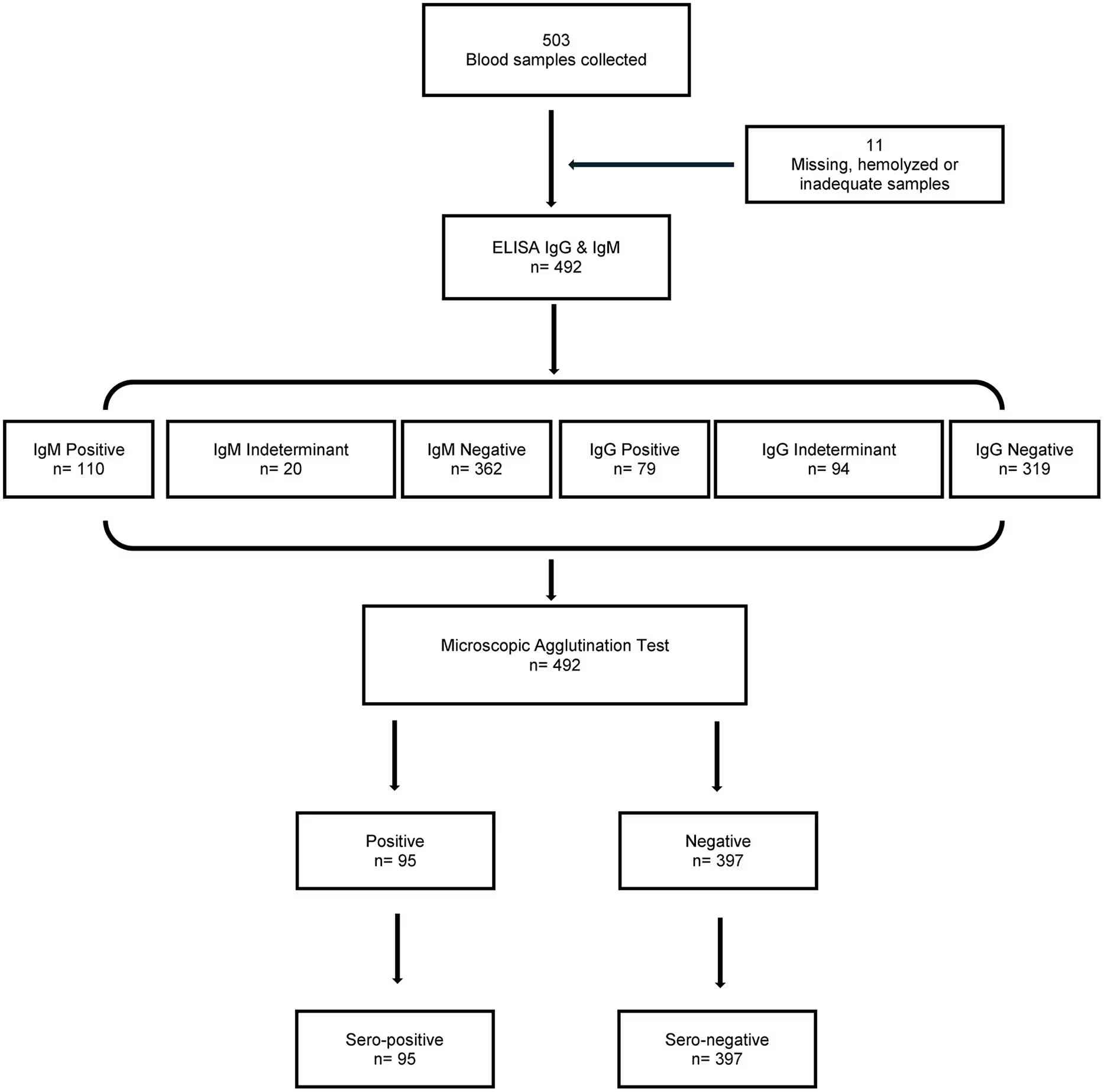
Leptospirosis is caused by spiral-shaped bacteria spread through the urine of infected animals, particularly rodents and livestock. In southern Bhutan, heavy monsoon rains from May to September frequently trigger flooding across flat river plains and agricultural lands. Researchers conducted a cross-sectional study between September and October 2024 to map this exposure, enrolling 503 adults via probability-proportional-to-size sampling. After excluding samples with hemolysis or insufficient volume, the team analyzed 492 participants using microscopic agglutination tests and enzyme-linked immunosorbent assays.
The microscopic agglutination test, which serves as the reference standard using live antigens, revealed an overall seroprevalence of 19.3 percent. Among the 95 positive samples, the dominant circulating strain was Australis, accounting for 49 percent of cases, followed by Lai-like strains at 13 percent. While Australis and Patoc strains appeared across all six study areas, Gelephu Thromde exhibited the highest diversity with nine distinct serovars detected. These results indicate that human contact with the pathogen is far more widespread than historical hospital records suggest.
What Daily Habits and Neighborhoods Elevate Infection Risks
Statistical models identified several strong predictors associated with carrying Leptospira antibodies. Engaging in paddy farming raised the adjusted odds of seropositivity by nearly fivefold, driven by traditional rice-cultivation practices that require keeping fields flooded for weeks to decay organic manure. Furthermore, residents who reported drinking unboiled water over the preceding twelve months faced more than double the odds of testing positive, pointing to untreated tap or natural water sources as key transmission routes.
Urban environment factors also played a surprising role in disease distribution. People living in crowded urban neighborhoods with small houses and substandard housing faced significantly higher odds of seropositivity compared to rural residents. Researchers suggest that poor sanitation and closer proximity to animal reservoirs in dense urban pockets create favorable conditions for bacterial persistence. Lower educational attainment similarly correlated with higher exposure rates, likely reflecting differences in occupational safety awareness and preventive behaviors.
Why Better Diagnostics and Public Health Actions Matter Now
Because leptospirosis symptoms frequently overlap with other endemic febrile illnesses, mild cases often go unrecognized until severe complications arise. The study authors emphasize that strengthening hospital-based diagnostic capabilities is essential to catch infections during their early, antibiotic-responsive phase. Low-cost treatments like doxycycline or penicillin can easily clear the acute stage, whereas advanced Weil’s syndrome involves multi-organ failure and much higher fatality rates.
The team recommends targeted public health interventions, including community education campaigns on water sanitation, the mandatory use of protective gear like boots during high-risk agricultural work, and expanded regional surveillance. As climate change shifts weather patterns and intensifies flooding events across the region, understanding these local exposure pathways provides vital baseline data for protecting vulnerable communities.
The research was published in PLOS Neglected Tropical Diseases on November 4, 2026.
This article has been fact checked for accuracy, with information verified against reputable sources. Learn more about us and our editorial process.
Last reviewed on .
Article history
- Latest version
Reference(s)
- Tamang, Monu., et al. “Seroepidemiology of human leptospirosis in subtropical Bhutan, 2024.” PLOS Neglected Tropical Diseases, vol. 20, no. 11, November 4, 2026, pp. e0014821 Public Library of Science (PLoS), doi: 10.1371/journal.pntd.0014821. <https://doi.org/10.1371/journal.pntd.0014821>.
Cite this page:
- Posted by Mary Ellison