Webb Telescope Detects Mysterious Atmosphere on a Scorching Lava World
Astronomers have discovered a surprising atmosphere on a scorching lava world previously thought to be a barren, airless rock.
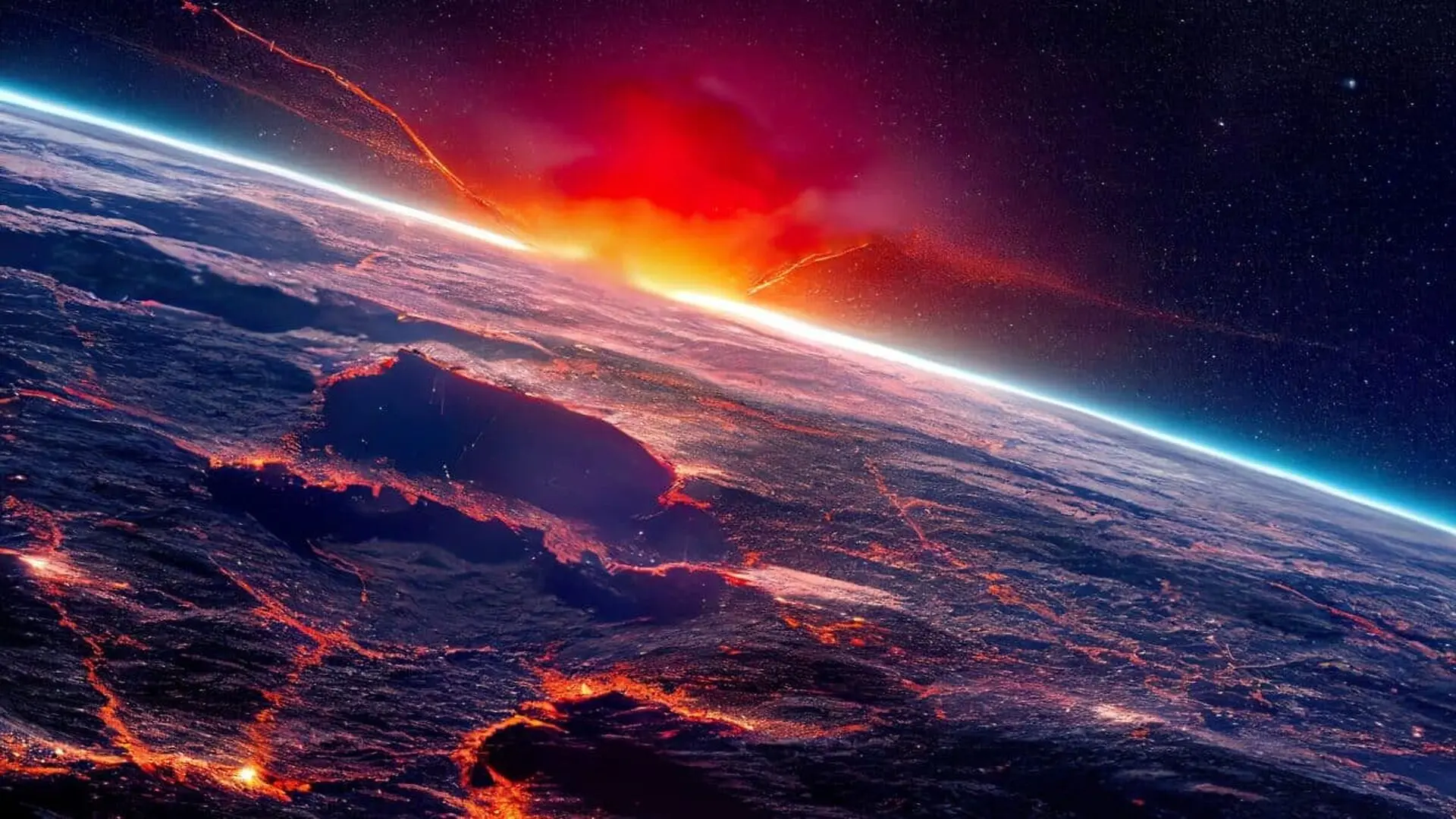
Astronomers have identified a unique rocky exoplanet, known as HD 3167 b, which stands out as the coolest “lava world” yet discovered to show signs of an atmosphere. Located 154 light-years from Earth, this super-Earth offers a rare window into how terrestrial worlds manage to retain gaseous envelopes despite being subjected to the harsh, volatile conditions of their host stars.
Orbiting a K-type star in the constellation Pisces, the planet completes a full revolution in just 24 hours. This proximity to its host star exposes the world to intense stellar winds and radiation, conditions typically thought to strip away planetary atmospheres entirely. The findings, recently detailed in The Astrophysical Journal Letters, were made possible through the advanced sensitivity of the James Webb Space Telescope.
Of the more than 6,300 exoplanets currently cataloged by scientists, only a fraction are rocky worlds that appear to hold onto any atmospheric gases. Because atmospheres are essential for maintaining surface water and stabilizing planetary climates, researchers at the University of Chicago are focusing on these extreme environments to better understand the evolution of rocky planets.
Thermal Anomalies on a Molten World
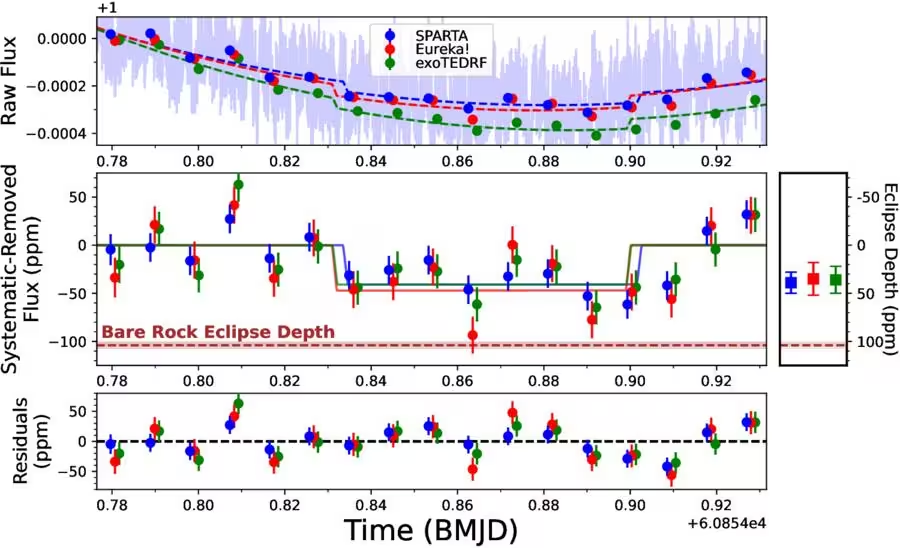
To analyze the planet, the team utilized the secondary eclipse method, tracking the infrared light emitted as the planet disappeared behind its star. By measuring these mid-infrared signals, researchers were able to calculate the dayside temperatures of HD 3167 b. If the planet were a bare rock devoid of any gas, it would reach a specific, predictable temperature based on its proximity to the star. Instead, the data revealed the planet was significantly cooler than this theoretical limit.
According to lead author Brandon Park Coy, this temperature discrepancy suggests that the atmosphere is actively redistributing heat from the dayside to the nightside. Additionally, the presence of clouds may be reflecting incoming stellar radiation, preventing the surface from reaching its full potential heat.
Decoding the Atmospheric Composition
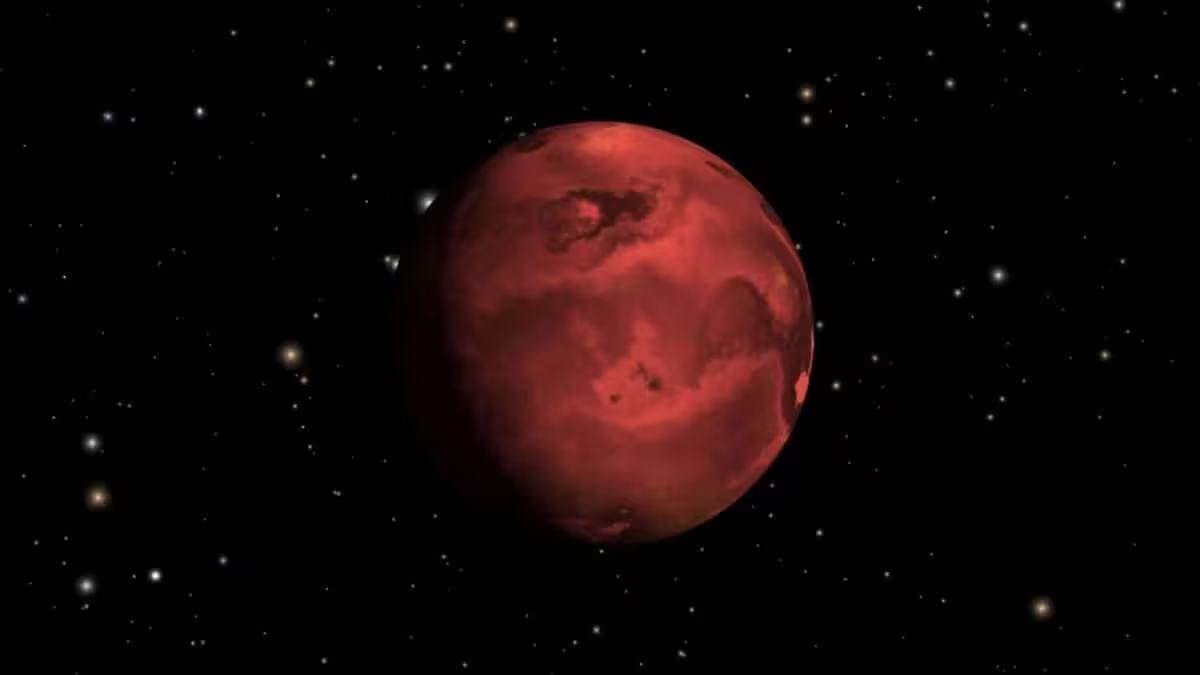
The term “lava world” is used here because the intense heat is believed to keep portions of the planet’s surface in a molten state. Scientists suspect the planet possesses a silicate-heavy composition, sharing mineral characteristics with Earth’s mantle. While earlier models of ultra-hot planets predicted atmospheres composed almost entirely of vaporized rock, recent observations suggest these worlds might also host heavier, more complex gases such as carbon monoxide, carbon dioxide, or water vapor.
While the exact chemical makeup of the gases surrounding HD 3167 b remains an open question, further investigations are expected to clarify how the planet’s atmosphere interacts with its extreme surface conditions.
A Window Into Earth’s Ancient Past
Though the scorching temperatures of HD 3167 b render it uninhabitable, it serves as a critical analog for the earliest chapters of planetary history. Edwin Kite, an associate professor at the University of Chicago, notes that during the infancy of our solar system, young terrestrial planets—including our own—may have mirrored the conditions found on these modern-day lava worlds.
It is widely believed that Earth once endured a magma ocean phase, where the planet was covered in a sea of molten liquid due to the heat generated by its own formation. By examining distant, active lava worlds, researchers are gaining unprecedented insight into the environmental state of the Earth before it cooled enough to support a stable atmosphere and liquid water.
This article has been fact checked for accuracy, with information verified against reputable sources. Learn more about us and our editorial process.
Last reviewed on .
Article history
- Latest version
Reference(s)
- Cermak, Alicia. “HD 3167 b - NASA Science.”, April 22, 2019 NASA <https://science.nasa.gov/exoplanet-catalog/hd-3167-b/>.
- “Geophysical Sciences.” <https://geosci.uchicago.edu/people/brandon-coy/>.
- “Geophysical Sciences.” <https://geosci.uchicago.edu/people/edwin-kite/>.
Cite this page:
- Posted by Karan Das