NASA And Boeing To Reveal Crucial Update On The Future Of Starliner Astronaut Missions
NASA and Boeing prepare to share critical updates on the Starliner spacecraft’s development and its future role in transporting astronauts to space.
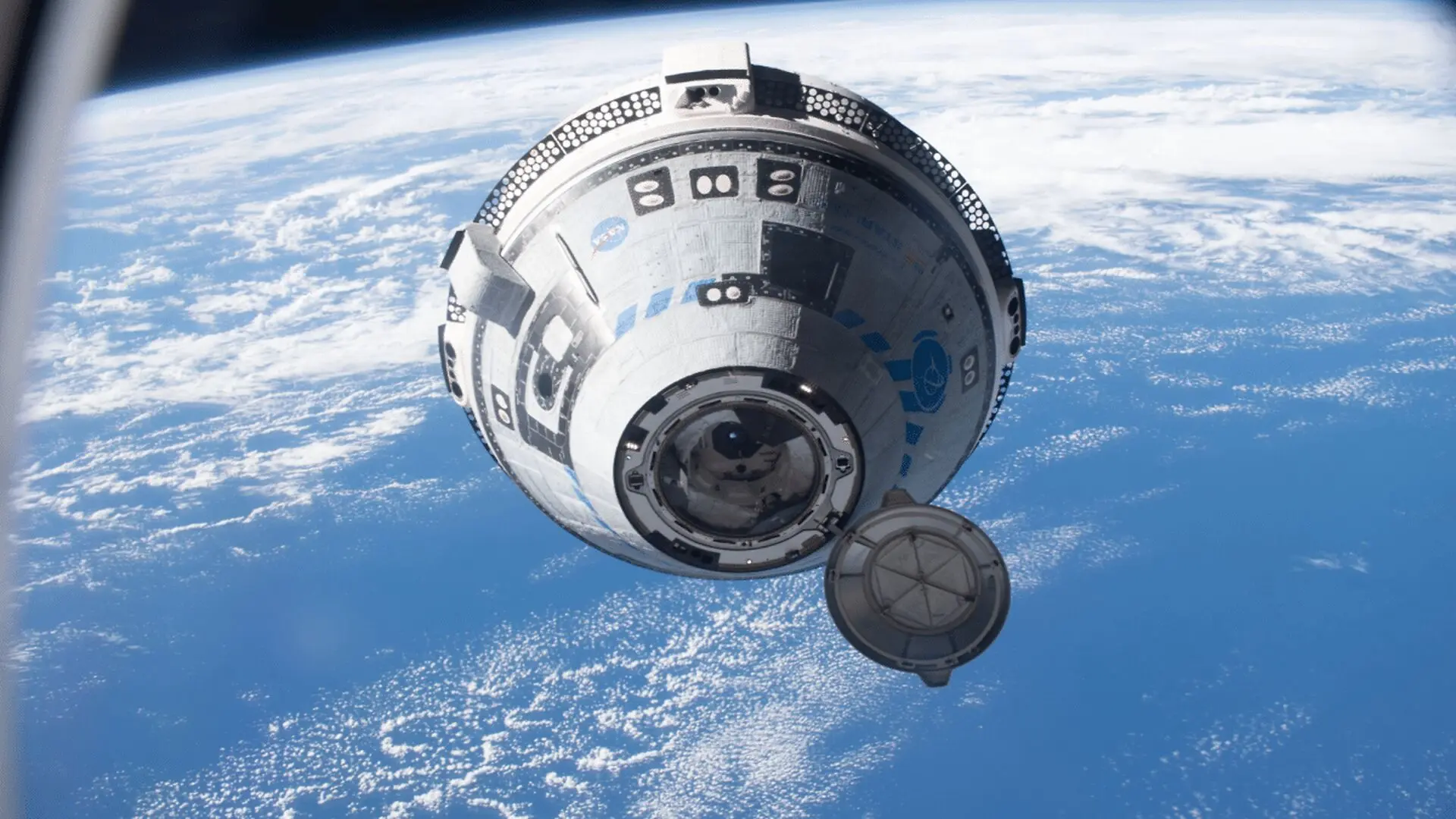
NASA and Boeing are set to provide a comprehensive progress report regarding the Starliner spacecraft program, marking a critical moment for the future of commercial human spaceflight. As part of the agency’s Commercial Crew Program, the update will center on the technical evaluations and system refinements necessary to ensure the vehicle is prepared for regular transport of astronauts to the International Space Station.
Charting the Path Toward Operational Readiness
The upcoming briefing will offer insight into how engineering teams are navigating the final hurdles of spacecraft development. Since its inception, Starliner has been engineered as a reusable platform, capable of autonomous docking and reliable return to Earth. The current phase of the program involves an exhaustive series of reviews that verify the performance of hardware, flight software, and integrated mission systems.
For NASA and Boeing, these technical milestones are essential to confirm that the spacecraft meets the rigorous safety and operational standards required for human occupancy. By combining government oversight with private-sector innovation, the initiative aims to maintain a consistent presence in low Earth orbit while fostering a robust commercial space ecosystem.
With @BoeingSpace, we’ll provide an update on Starliner development and plans for regular crew flights to and from the @Space_Station. Watch live Monday, Sept. 28 at 3pm ET: https://t.co/bxg2gpZzogpic.twitter.com/OJaD49OyHh
— NASA (@NASA) September 25, 2026
The Strategic Role of Commercial Partnerships
Starliner represents a fundamental shift in how the United States manages its orbital transit capabilities. By relying on privately developed vehicles like Boeing’s capsule, which launches atop the United Launch Alliance Atlas V rocket, NASA gains the flexibility to maintain access to the station through diverse transport options. The spacecraft is designed for both high-level automation and manual pilot control, ensuring adaptability during complex orbital maneuvers and docking procedures.
This Starliner mission architecture is intended to be a cornerstone of modern aerospace infrastructure. As the program progresses, the focus remains on transforming these technical designs into a routine, sustainable service for astronauts.
Rigorous Testing Underpins Future Mission Success
Human-rated spaceflight requires an uncompromising commitment to safety, which is why testing remains the most vital component of the development timeline. Engineers have been systematically validating everything from life-support systems and navigation sensors to propulsion and communication links. These data-driven evaluations are designed to identify potential vulnerabilities long before a crew is placed on board.
As both entities move forward, the focus shifts to addressing remaining technical objectives and securing the necessary clearances to proceed to the next phase of the mission lifecycle. The outcome of these efforts will ultimately determine the timeline for future crewed flights, solidifying Starliner’s place in the next era of exploration.
This article has been fact checked for accuracy, with information verified against reputable sources. Learn more about us and our editorial process.
Last reviewed on .
Article history
- Latest version
Reference(s)
- “NASA, Boeing to Provide Update on Starliner Development - NASA.” NASA <https://www.nasa.gov/news-release/nasa-boeing-to-provide-update-on-starliner-development/>.
- “https://go.nasa.gov/4AA9Ii5.” <https://t.co/bxg2gpZzog>.
- “https://twitter.com/NASA/status/2103610284464316469/photo/1.” <https://t.co/OJaD49OyHh>.
Cite this page:
- Posted by Karan Das