Common Cancer Drug Safety Tools Match Up in Head-to-Head Containment Test
A new laboratory evaluation compares physical barriers and air-cleaning safety devices using sensitive chemical surrogates.
Medical staff handling powerful cancer-fighting medications face ongoing risks of accidental exposure to hazardous pharmaceutical agents during routine preparation and administration tasks. These occupational hazards can cause acute symptoms like nausea and headaches, alongside more severe long-term health concerns. To limit these risks, specialized safety attachments known as closed system transfer devices are deployed on hospital wards to physically block or clean the air surrounding drug vials. Researchers wanted to find out whether air-cleaning safety tools perform just as well as traditional physical barriers at keeping these dangerous chemical vapors from escaping.
Testing Four Popular Safety Devices Head-to-Head
To evaluate the equipment, a team of investigators analyzed four commercially available safety systems in a controlled laboratory setting. The group included two physical barrier designs, specifically ChemoLock and BD PhaSeal, alongside two air-cleaning technologies, which were ChemoLock air-cleaning and Tevadaptor. Each device underwent rigorous performance evaluations simulating real-world hospital workflows, covering both drug compounding and administration procedures. The experiments followed a standardized protocol utilizing a semi-volatile chemical challenge agent made of 2.5% weight-to-volume 2-phenoxyethanol dissolved in water, which safely mimics the behavior of hazardous pharmaceutical vapors without posing extreme volatility risks.
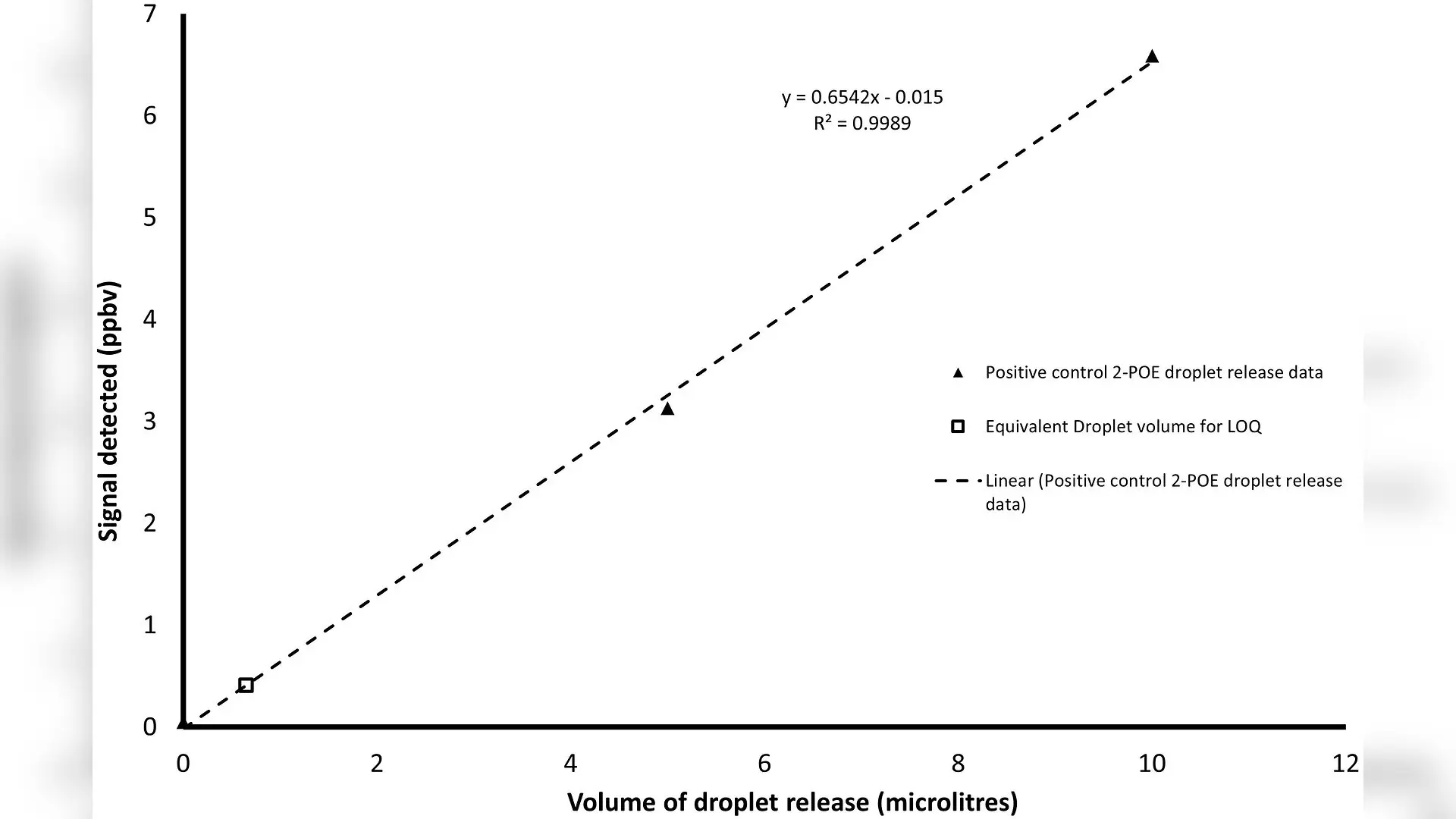
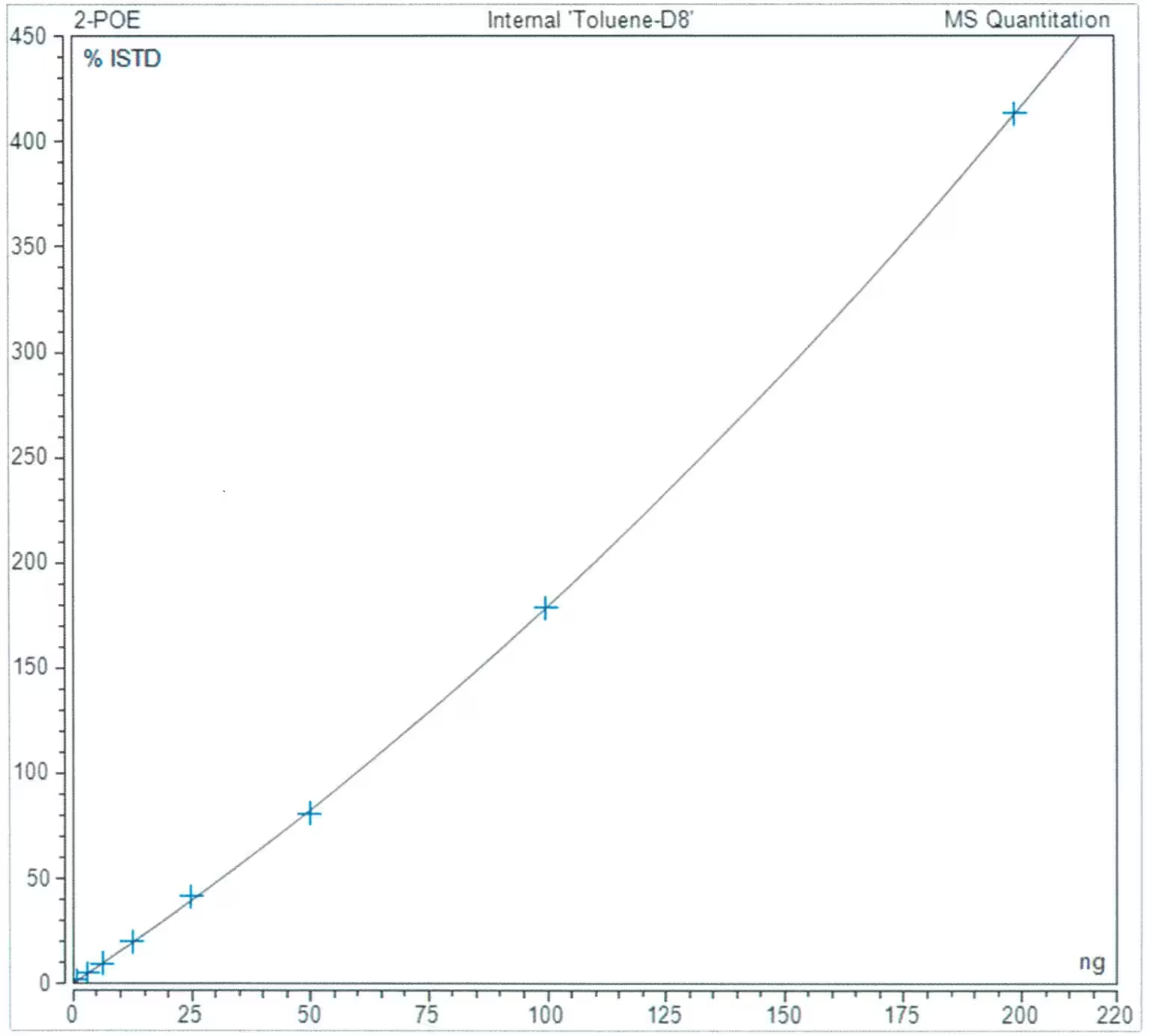
The investigators detailed their methodology and findings published in PLOS One, establishing an exceptionally sensitive lower limit of quantification at 0.41 parts per billion volume. During the testing sequence, automated thermal desorption gas chromatography mass spectrometry captured any released chemical traces on specialized sorbent tubes. This analytical setup allowed scientists to measure minute vapor and liquid leaks down to the nanoliter scale.
Both Technologies Achieved Exceptional Containment
The results demonstrated that every single device tested successfully restricted chemical releases to levels below the measurable quantification limit. Both the physical barrier systems and the air-cleaning platforms maintained equivalent containment performance across all simulated tasks, successfully trapping the challenge agent during both drug preparation and patient administration simulations. When researchers ran positive control tests using an open needle and syringe without any safety attachment, significant vapor concentrations ranging from 3.13 to 6.59 parts per billion volume were immediately detected. In contrast, the closed systems kept leakage well out of the quantifiable range.
These findings suggest that air-cleaning safety attachments can offer reliable protection comparable to physical barriers, potentially expanding choices for hospitals seeking to safeguard staff. However, the authors noted several limitations in their work, including the fact that laboratory conditions cannot fully replicate the unpredictable nature of busy clinical environments. Furthermore, while the surrogate chemical shares physical traits with many hazardous drugs, it remains unproven whether these laboratory measurements translate into exact clinical risk reductions for workers.
What These Results Mean for Hospital Safety Standards
The study highlights the value of employing standardized testing protocols that rely on semi-volatile surrogate agents rather than highly volatile solvents like isopropyl alcohol, which tend to overestimate vapor pressure. By proving that air-cleaning systems match the containment efficacy of physical barriers in controlled tests, the work supports broader technology adoption for healthcare facilities. Future investigations will need to examine whether these laboratory benchmarks translate into long-term safety improvements on active hospital wards where cytotoxic agents are handled daily.
The research was published in PLOS One on November 12, 2026.
This article has been fact checked for accuracy, with information verified against reputable sources. Learn more about us and our editorial process.
Last reviewed on .
Article history
- Latest version
Reference(s)
- Wilkinson, Alan-Shaun., et al. “Head-to-head containment performance testing of four commercially available closed-system transfer devices using the 2016 Draft NIOSH test protocol and 2.5% w/v 2-phenoxyethanol as challenge agent.” PLOS One, vol. 21, no. 11, November 12, 2026, pp. e0337729 Public Library of Science (PLoS), doi: 10.1371/journal.pone.0337729. <https://doi.org/10.1371/journal.pone.0337729>.
Cite this page:
- Posted by Rohan Kumar