NANOG Gene Is The Master Switch Guiding The First Days Of Human Life
A new study reveals gene NANOG acts as a molecular switch in early human embryos, deciding whether cells become the embryo or supporting tissues.
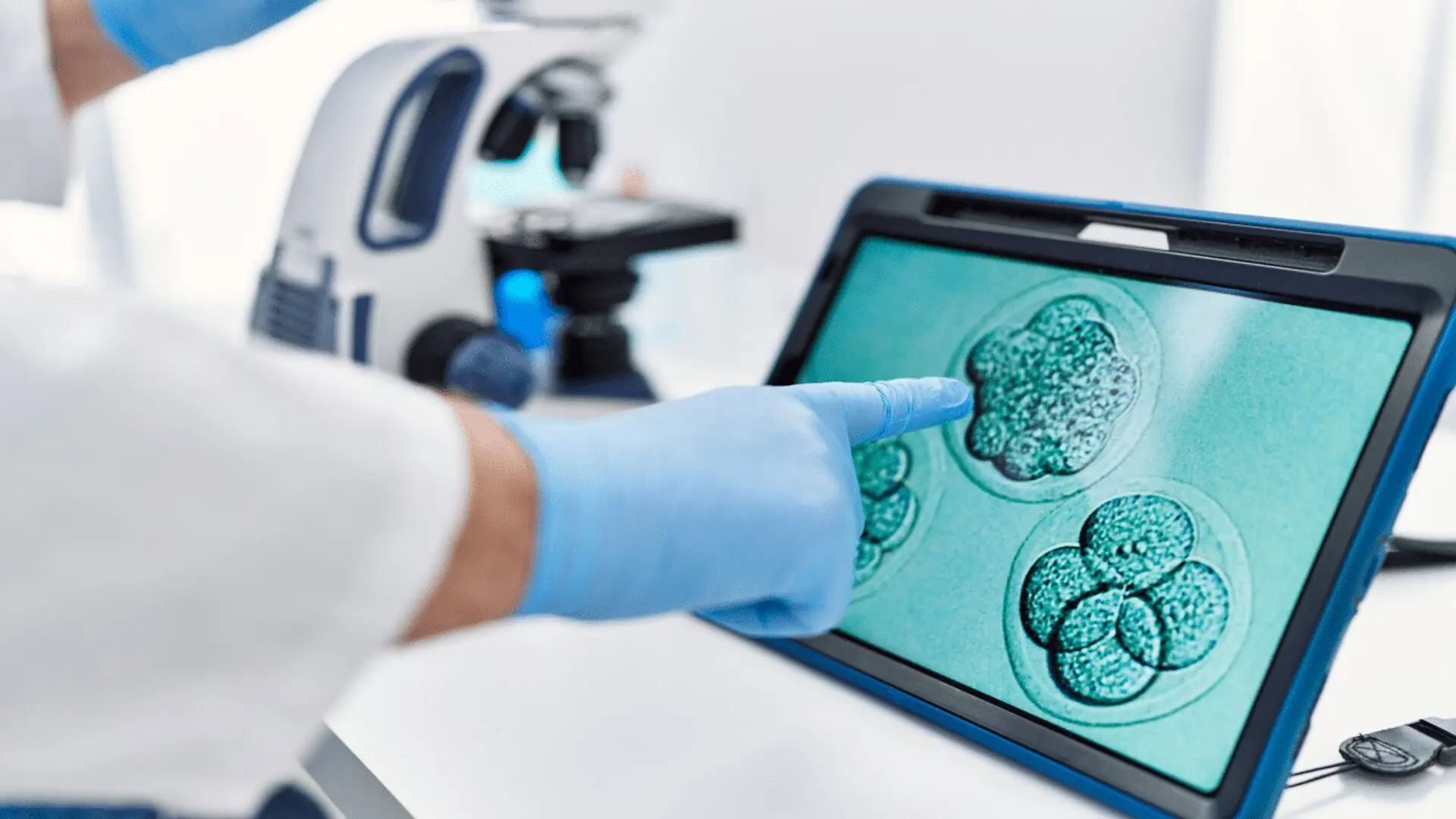
From the moment a sperm fertilizes an egg, a cascade of genetic instructions orchestrates the earliest phases of human life. New research appearing in Nature highlights that a single gene, NANOG, is far more pivotal to this process than previously understood. The study shows that disrupting this gene prevents embryos from assembling the cellular architecture needed for normal growth, diverting cells away from constructing the embryo itself toward supportive tissues.
NANOG Emerges as Key Regulator of Human Embryonic Development
Led by developmental biologist Kathy Niakan at the University of Cambridge, the investigation examined how the first distinct cell lineages are set up in human embryos. These early choices decide whether a cell will join the embryo proper or become part of extra‑embryonic structures such as the yolk sac. As a transcription factor, NANOG steers this decision‑making by toggling specific genes on or off, preserving pluripotency in cells destined for the embryo and preventing premature specialization.
Targeted Base Editing Reveals Gene’s Essential Function
Using precise base‑editing tools rather than conventional CRISPR knockouts, the researchers altered a single nucleotide in the NANOG gene of donated surplus embryos. This method minimized collateral DNA damage and allowed a clear view of NANOG’s role. The results demonstrated that when NANOG activity is removed, the delicate balance of cell fate choices collapses, prompting cells that should form the epiblast to adopt extra‑embryonic identities instead.
Even embryos that initially looked morphologically normal soon exhibited a skewed composition, investing resources in yolk‑sac‑like structures while the core embryonic lineage dwindled. The study underscores that visual assessment alone cannot predict developmental viability; molecular cues set the trajectory long before any visible features appear.
Loss of NANOG Shifts Cell Identity Toward Support Structures
In the absence of functional NANOG, the earliest pluripotent cells lose the capacity to retain an embryonic signature. Rather than progressing toward the epiblast, which will generate the fetus, they are rerouted to form supportive tissues. This redirection does not merely delay development—it fundamentally reshapes the embryo’s potential, rendering it incapable of proper internal organization despite an apparently normal outer shape.
Ethical Safeguards Guide Experimental Design
Human embryology research faces stringent ethical limits, prompting the team to restrict embryo culture to the legally defined 14‑day window. By employing base editing, they avoided large‑scale genomic disruptions, ensuring that any observed effects could be attributed directly to NANOG alteration. The embryos originated from surplus material supplied by assisted‑reproduction clinics, and the work was conducted under rigorous oversight to prevent the creation of viable modified embryos.
This project marks one of the earliest applications of base editing to developmentally normal human embryos within such tight regulatory boundaries, highlighting the necessity for precise, low‑risk techniques when probing fundamental developmental mechanisms.
Implications for Stem Cell Research and Regenerative Medicine
“Understanding these earliest stages is crucial for stem‑cell biology,” Niakan explains. “Insights into how NANOG maintains pluripotency could refine how we culture and direct stem cells for therapeutic purposes.” The gene’s activity in natural embryos mirrors pathways exploited in laboratory‑grown stem cells, suggesting that detailed knowledge of NANOG could improve protocols for generating specific cell types and boost the efficiency of regenerative interventions.
Potential Applications in Fertility Assessment
Niakan also points out the frequent mismatch between an embryo’s outward appearance and its true implantation potential. “Often, embryos that look healthy under the microscope fail to develop further,” she notes. “Identifying markers such as NANOG may help bridge that gap.” Detecting key genetic indicators could enhance embryo selection in IVF clinics, offering a molecular complement to conventional morphological grading and potentially increasing successful pregnancy rates.
This article has been fact checked for accuracy, with information verified against reputable sources. Learn more about us and our editorial process.
Last reviewed on .
Article history
- Latest version
Reference(s)
- Bower, Oliver. “Base editing reveals an essential role for NANOG in human embryogenesis - Nature.”, June 25, 2026, pp. 1-3. Nature, doi: 10.1038/s41586-026-10792-1. <https://www.nature.com/articles/s41586-026-10792-1>.
Cite this page:
- Posted by Rohan Kumar