Home Dialysis and Peritoneal Care Reveal Surprising Cost Differences
A comprehensive hospital cost analysis shows manual home therapies require substantially lower annual provider expenditure than automated systems.
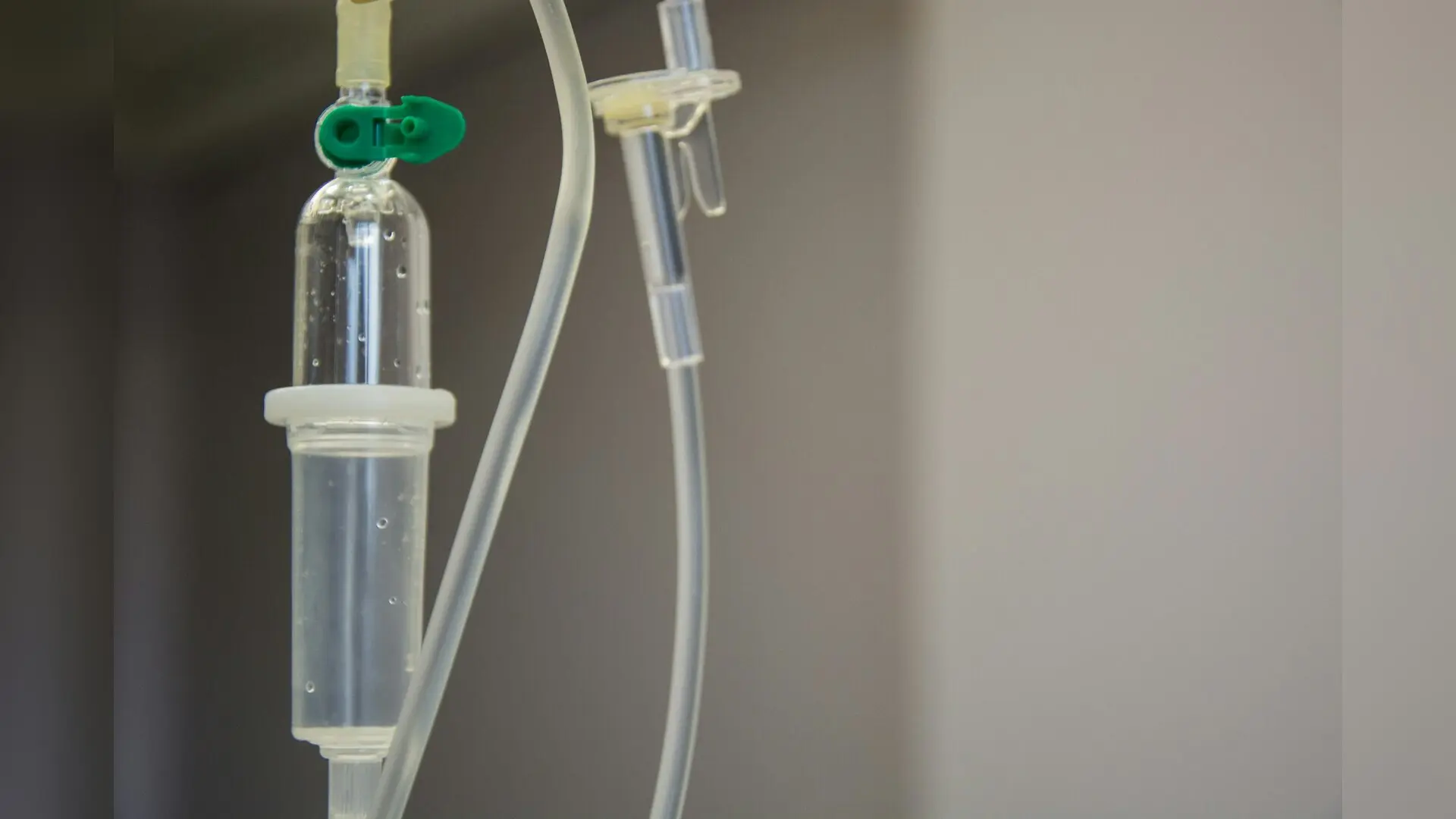
Home-based kidney dialysis and specific peritoneal treatments cost significantly less to deliver than traditional hospital-based care, offering a potential financial relief valve for strained healthcare systems. Chronic kidney disease affects more than 10 percent of the UK population, and the demand for kidney replacement therapy is projected to double globally by 2030, placing an immense burden on clinical resources. To uncover the true operational expenses behind these life-sustaining treatments, researchers examined detailed financial, workforce, and supply data from a major National Health Service trust during the 2023 to 2024 financial year.
How Home Treatments Stack Up Against Hospital Care
The analysis revealed that continuous ambulatory peritoneal dialysis, a manual form of filtering waste through the lining of the abdomen performed daily by patients at home, was the least expensive modality evaluated at approximately 16,573 British pounds per patient per year. Home haemodialysis performed three times weekly followed closely as one of the most economically efficient options at roughly 18,320 British pounds annually. In contrast, in-centre haemodialysis delivered at hospital facilities cost about 25,598 British pounds per patient-year, while satellite units operated at roughly 26,678 British pounds.
Machine-assisted peritoneal dialysis variants proved notably more resource-intensive. Continuous cyclic peritoneal dialysis and assisted automated peritoneal dialysis reached annual costs of 36,859 British pounds and 41,085 British pounds, respectively, driven largely by specialized equipment and supplier expenses. Detailed findings from the investigation are published in PLOS One, outlining a comprehensive micro-costing framework that maps out every resource involved in modern renal care.
Unpacking the Hidden Drivers of Renal Care Expenditure
Kidney replacement therapy represents one of the single most expensive ongoing treatments managed by healthcare systems, consuming more than 1 billion British pounds annually in the UK alone. The research team, led by specialists at University Hospitals of Derby and Burton NHS Foundation Trust, moved beyond basic hospital averages by combining detailed cost centres with standardized account ledgers. This bottom-up approach captured pay rates for consultants, resident doctors, nurses, and administrative staff, alongside facility overheads, utility bills for home therapy users, and equipment maintenance expenses.
For in-centre haemodialysis, nursing pay accounted for the vast majority of operational spending at 60 percent, with consumables and equipment making up another 33 percent. The authors noted that treating patients with blood-borne viruses required specialized isolation protocols and infection control measures that elevated management complexity. Furthermore, the financial margins between actual provider costs and standard reimbursement tariffs varied considerably depending on whether patients used an arteriovenous fistula or a central venous catheter for blood access.
What These Economic Insights Mean for Future Healthcare Planning
While the study provides a granular look at provider expenses, the authors emphasized that the work represents a single-centre analysis whose figures may not directly generalize to institutions with vastly different staffing models or procurement contracts. Patient transport costs, which consume hundreds of millions of pounds nationally for hospital-based dialysis commutes, were also excluded from the direct provider calculations but remain a major factor in wider system-level savings when patients manage therapies at home.
As health systems worldwide face aging populations and surging rates of kidney failure, understanding the granular economics of dialysis delivery is vital for workforce allocation and service restructuring. The researchers suggest that expanding supported home-based dialysis programs could optimize resource distribution, though future service redesign must carefully balance clinical suitability, patient autonomy, and the complex realities of home equipment management.
The research was published in PLOS One on November 12, 2026.
This article has been fact checked for accuracy, with information verified against reputable sources. Learn more about us and our editorial process.
Last reviewed on .
Article history
- Latest version
Reference(s)
- Kolhe, Nitin V.., et al. “The true cost of dialysis modalities: A detailed analysis from a UK renal centre.” PLOS One, vol. 21, no. 11, November 12, 2026, pp. e0362592 Public Library of Science (PLoS), doi: 10.1371/journal.pone.0362592. <https://doi.org/10.1371/journal.pone.0362592>.
Cite this page:
- Posted by Robert Brown