Oral Microplastic Exposure Triggers Liver and Kidney Damage in Mice
A 28-day study reveals that polystyrene microparticles induce dose-dependent organ toxicity, elevated blood enzymes, and severe tissue necrosis.
Male BALB/c mice exposed to 5.0-micrometer polystyrene microplastics for 28 days showed dose-dependent liver and kidney damage, marked by elevated blood enzymes and visible tissue death. These microscopic plastic particles, which measure smaller than 5 millimeters, are widespread environmental contaminants that infiltrate food, water, and air, leading to ingestion by humans and animals alike. Because the liver and kidneys act as primary filtration and detoxification hubs in mammals, these organs absorb circulating particles and bear the brunt of the resulting cellular stress.
How Graded Microplastic Doses Affected Laboratory Mice
To evaluate how varying amounts of plastic affect mammalian organs, researchers divided forty healthy adult male mice into four groups of ten. Animals received daily oral doses of 0, 10, 20, or 30 milligrams of polystyrene microplastics per kilogram of body weight for 28 consecutive days. After the treatment period concluded, investigators collected blood samples and preserved liver and kidney tissues for detailed biochemical and microscopic analysis. The study is published in PLOS One, detailing the full experimental design and evaluation metrics.
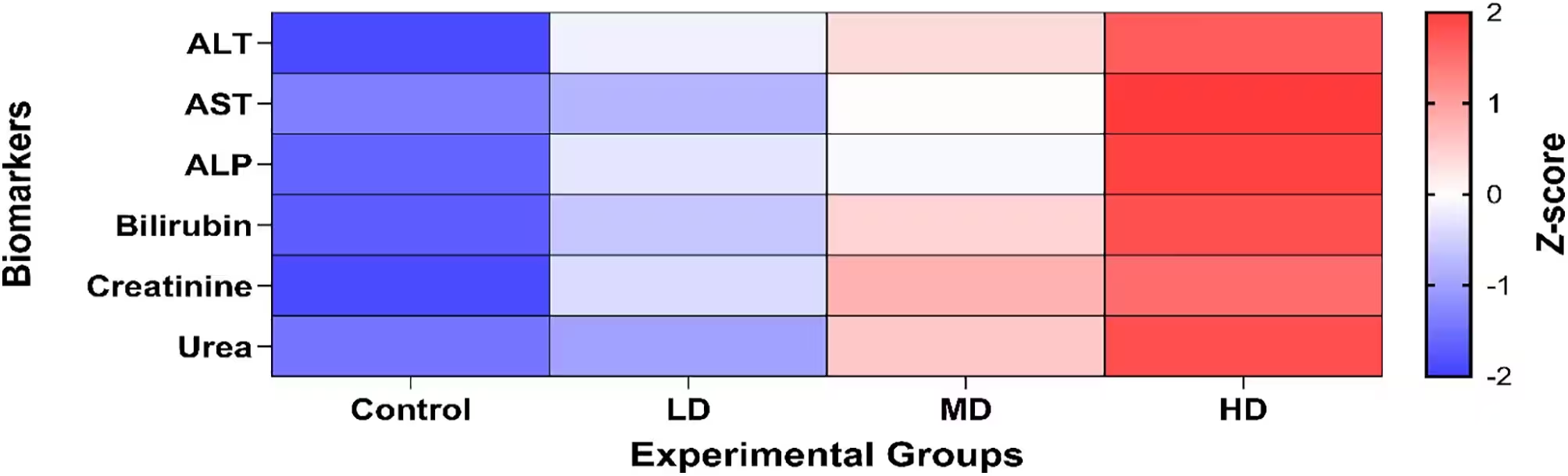
During the daily monitoring period, no animals died unexpectedly or reached predefined humane endpoints before the 28-day mark. However, blood panels revealed significant biochemical shifts across the treatment groups. Serum liver enzymes, including alanine aminotransferase and aspartate aminotransferase, rose notably in animals receiving the highest daily dose of 30 milligrams per kilogram. Alkaline phosphatase and total bilirubin levels also climbed significantly in the high-dose group compared to the control group, indicating impaired hepatobiliary function and hepatocellular integrity.
Clear Signs of Kidney Stress and Cellular Destruction
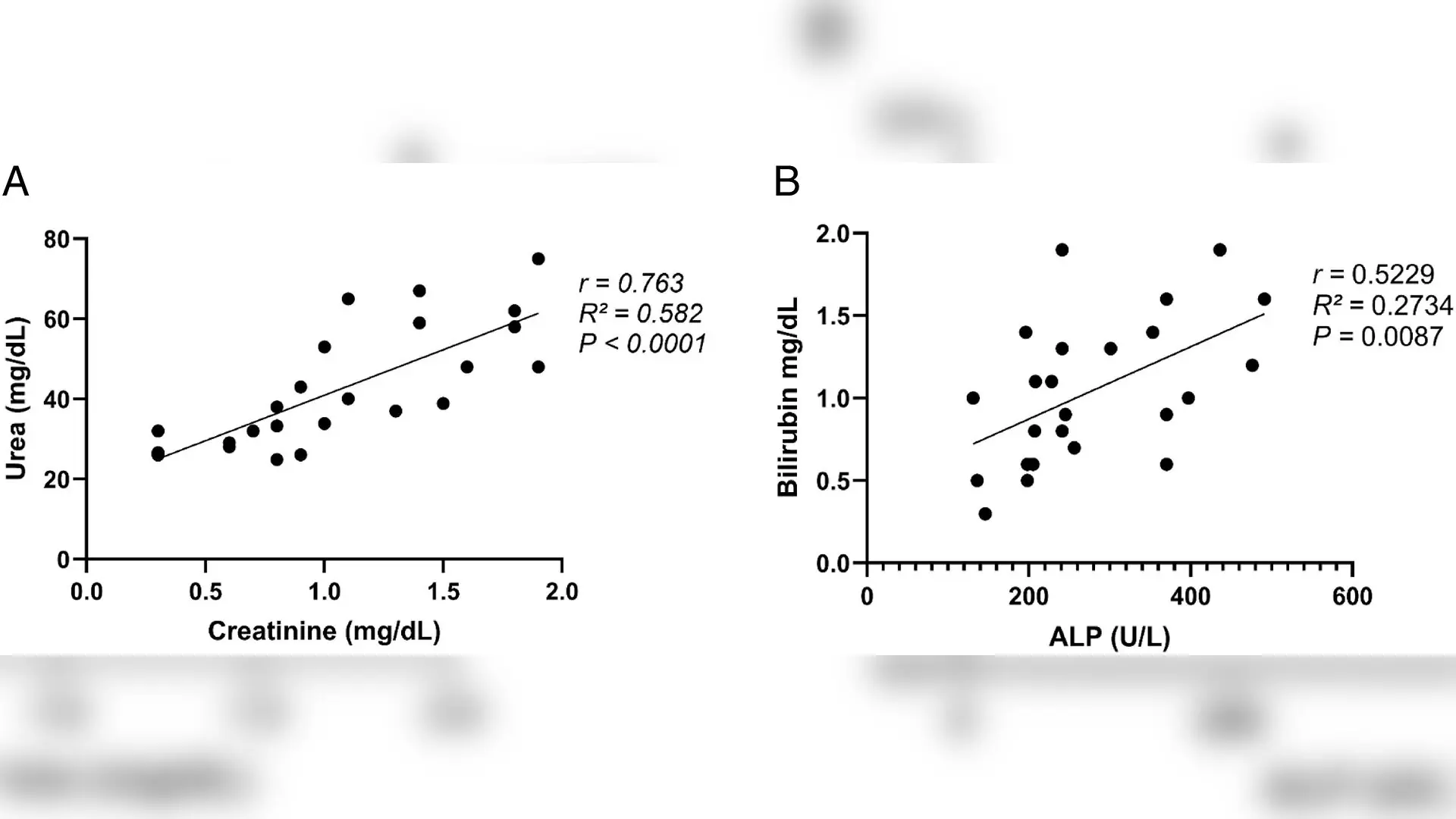
Renal function suffered similar declines as microplastic concentrations increased. Serum creatinine and urea concentrations showed statistically significant upward trends in both the medium-dose and high-dose cohorts. A strong positive correlation emerged between serum creatinine and urea levels, confirming coordinated functional impairment within the kidneys. Microscopic examination of hematoxylin-and-eosin-stained tissue sections confirmed these blood test findings with structural damage.
Low-dose exposures produced mild localized vacuolization and sparse inflammatory cell infiltration in the liver, alongside focal brush border loss in kidney tubules. In contrast, the high-dose group exhibited severe architectural disruption, widespread sinusoidal dilation, extensive hepatocyte necrosis, and profound tubular epithelial degeneration. Semi-quantitative lesion scoring validated these observations, proving that tissue injury severity tracked directly with the magnitude of daily plastic exposure.
Understanding the Limitations and Next Steps
While the findings highlight clear physiological toxicity, the authors noted several important limitations to consider. The experiment evaluated only male mice over a relatively short 28-day window, which limits the ability to generalize the outcomes to long-term chronic exposures or female physiology. Furthermore, the study did not measure specific molecular pathways, oxidative stress markers, or exact tissue accumulation rates. Future research will need to incorporate both sexes, lower environmentally relevant concentrations, extended timelines, and deep mechanistic analyses to fully clarify the health risks of microplastic pollution.
The research was published in PLOS One on November 12, 2026.
This article has been fact checked for accuracy, with information verified against reputable sources. Learn more about us and our editorial process.
Last reviewed on .
Article history
- Latest version
Reference(s)
- Iftikhar, Samia., et al. “Dose-dependent hepatorenal toxicity of polystyrene microplastics in BALB/c mice.” PLOS One, vol. 21, no. 11, November 12, 2026, pp. e0362569 Public Library of Science (PLoS), doi: 10.1371/journal.pone.0362569. <https://doi.org/10.1371/journal.pone.0362569>.
Cite this page:
- Posted by Hassan Raza