85 Percent of Diabetes Patients Suffer Poor Sleep Linked to Anxiety
New research shows that psychological stress and age drive nocturnal rest disruptions in adults with type 2 diabetes, independent of blood sugar levels.
Adult patients with type 2 diabetes face an alarmingly high rate of sleep disruption, with nearly 85 percent experiencing poor rest that correlates heavily with anxiety levels rather than blood sugar control. Researchers examining adult patients aged 39 to 85 at a military hospital in Morocco discovered that psychological strain plays an outsized role in nocturnal rest disturbances.
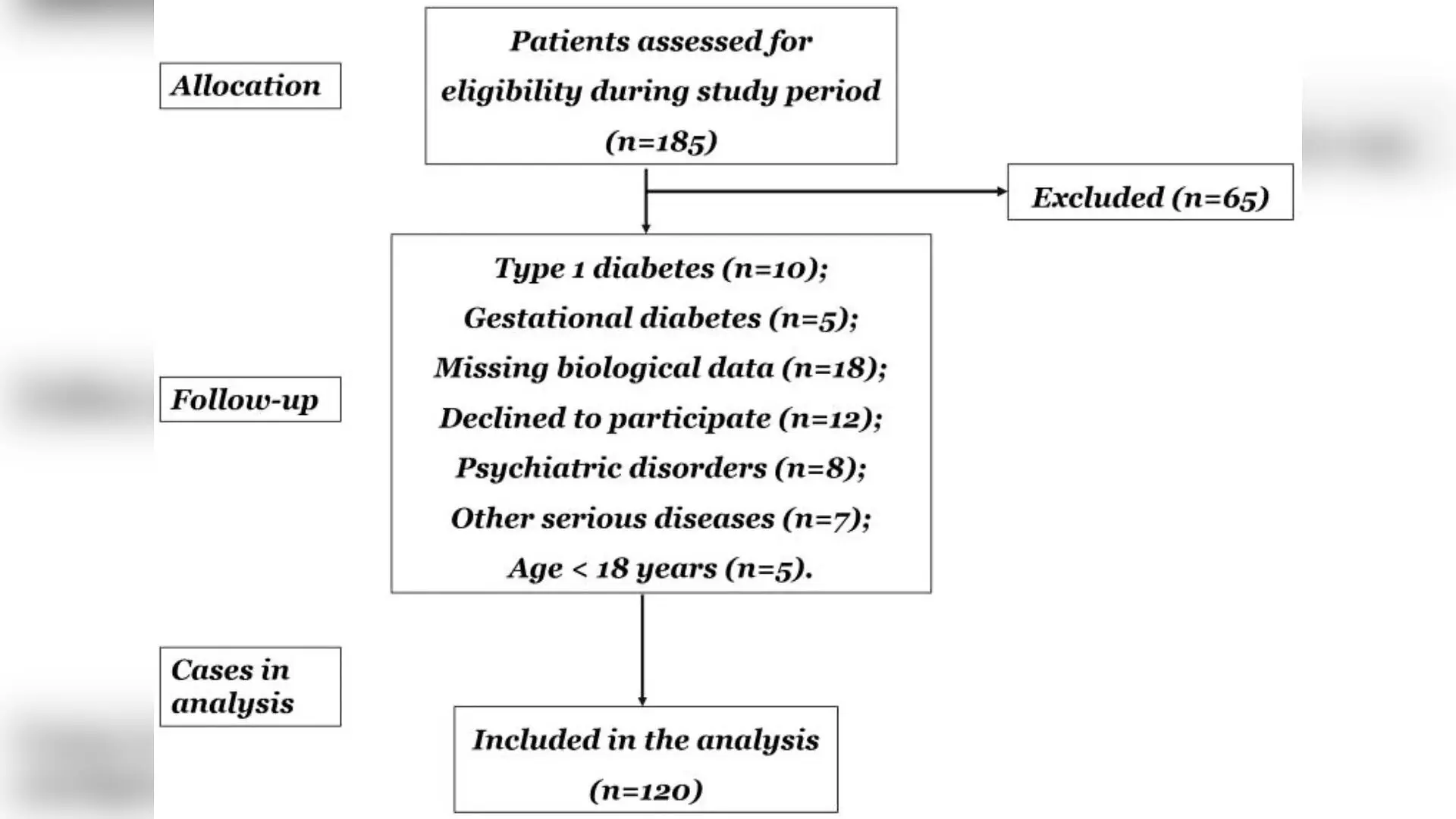
The cross-sectional study, published in PLoS ONE, evaluated 120 participants receiving care at the Mohammed V Military Instruction Hospital in Rabat. Investigators utilized standardized diagnostic tools, including the Pittsburgh Sleep Quality Index and the Generalized Anxiety Disorder Scale, to uncover how mental well-being intersects with metabolic illness.
What the Sleep Assessment Revealed About Type 2 Diabetes
The investigation revealed that 84.2 percent of the surveyed patients suffered from poor sleep quality, defined as a global Pittsburgh Sleep Quality Index score greater than 5. Women reported significantly higher rates of poor rest compared to men, at 57.5 percent versus 26.7 percent of the total cohort. Participants frequently cited waking up to use the bathroom, struggling to fall asleep within 30 minutes, and feeling hot during the night as primary disruptions.
Interestingly, the data showed no direct statistical link between poor sleep scores and long-term blood sugar levels measured by glycosylated hemoglobin, or HbA1c. Instead, the analysis highlighted that daytime dysfunction and severe anxiety symptoms formed the core of the patients’ nocturnal struggles. More than 43 percent of the participants crossed the clinical threshold for generalized anxiety disorder, with persistent nervousness and excessive worrying dominating their daily experiences.
How Anxiety and Aging Compound Rest Deficits
Statistical models demonstrated that every single-point increase on the anxiety scale raised the estimated odds of poor sleep quality by 21 percent. Age also emerged as a significant independent predictor, with the risk of sleep disruption climbing by 6 percent for each additional year of life. The average age of the participants was 65.4 years, and many managed multiple chronic conditions alongside their diabetes, including arterial hypertension, obesity, and dyslipidemia.
The physiological mechanisms tying anxiety and sleep loss together typically involve the hypothalamic-pituitary-adrenal axis, a complex neuroendocrine system that manages the body’s response to stress. When a person experiences chronic anxiety or fragmented rest, this system ramps up the production of cortisol and inflammatory markers. These hormonal shifts can impair insulin sensitivity and worsen metabolic control over time.
Limitations and Future Clinical Implications
While the findings offer vital insight into the mental health challenges faced by diabetic individuals, the authors noted several limitations in their design. The research relied on a cross-sectional approach at a single hospital center without a healthy control group, meaning causality cannot be firmly established. Furthermore, sleep duration and quality were gathered through self-reported questionnaires rather than objective clinical measures like polysomnography.
The research team emphasizes that healthcare providers must look beyond standard blood glucose monitoring during routine consultations. Integrating psychological evaluations and targeted anxiety treatments into standard diabetes care plans could significantly improve overall patient well-being and break the cycle of chronic fatigue.
The research was published in PloS one on January 1, 2026.
This article has been fact checked for accuracy, with information verified against reputable sources. Learn more about us and our editorial process.
Last reviewed on .
Article history
- Latest version
Reference(s)
- Baghdad, Wissal., et al. “Poor sleep quality and anxiety in patients with diabetes mellitus and its association with glycemic control: A cross-sectional study.” PLOS One, vol. 21, no. 11, November 11, 2026, pp. e0361467 Public Library of Science (PLoS), doi: 10.1371/journal.pone.0361467. <https://doi.org/10.1371/journal.pone.0361467>.
Cite this page:
- Posted by Priya Sharma