How A Homemade Paper Balloon Once Set An Entire Irish Town On Fire
In 1785, a daring hot air balloon experiment in Tullamore went disastrously wrong, sparking a massive fire that forced the Irish town to be rebuilt.
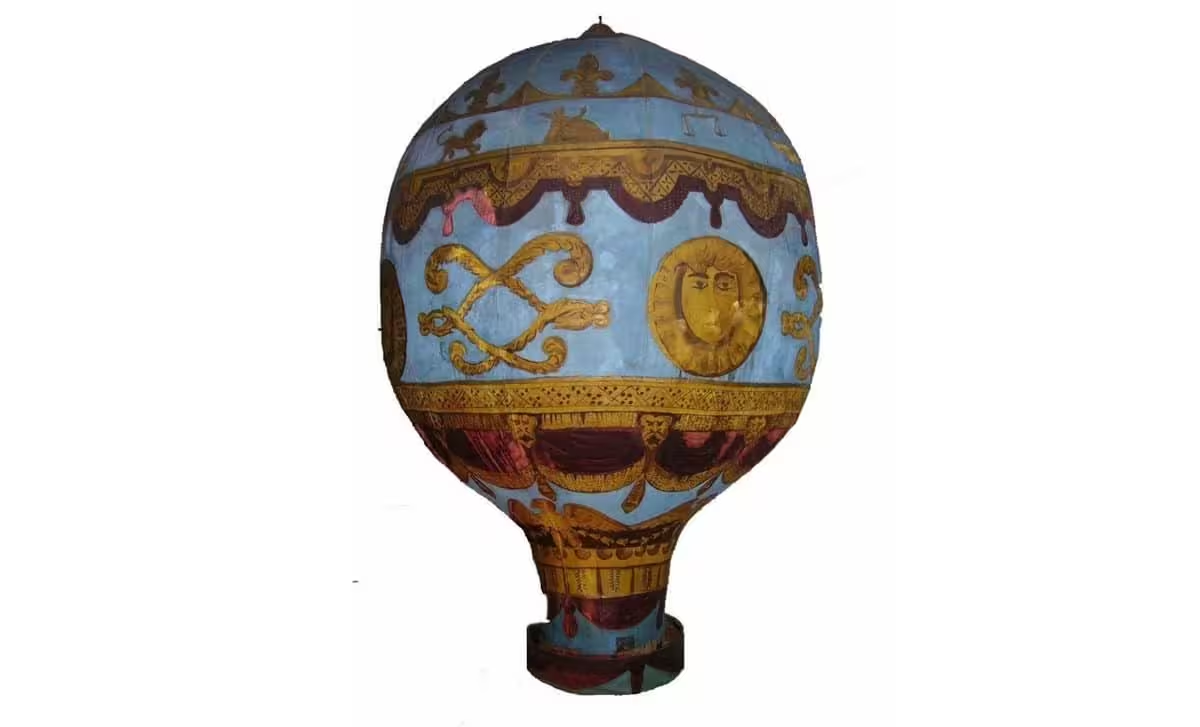
The late 18th century was defined by a fervent, continent-wide obsession with human flight. Following the pioneering demonstrations by Joseph-Michel and Jacques-Étienne Montgolfier in France during the summer of 1783, ballooning became a cultural phenomenon. By September of that year, the Montgolfier brothers had successfully sent a sheep, a duck, and a rooster into the skies over Versailles, proving that living beings could survive the ascent. This sparked a wave of amateur experimentation across Europe, as enthusiasts sought to replicate the feat.
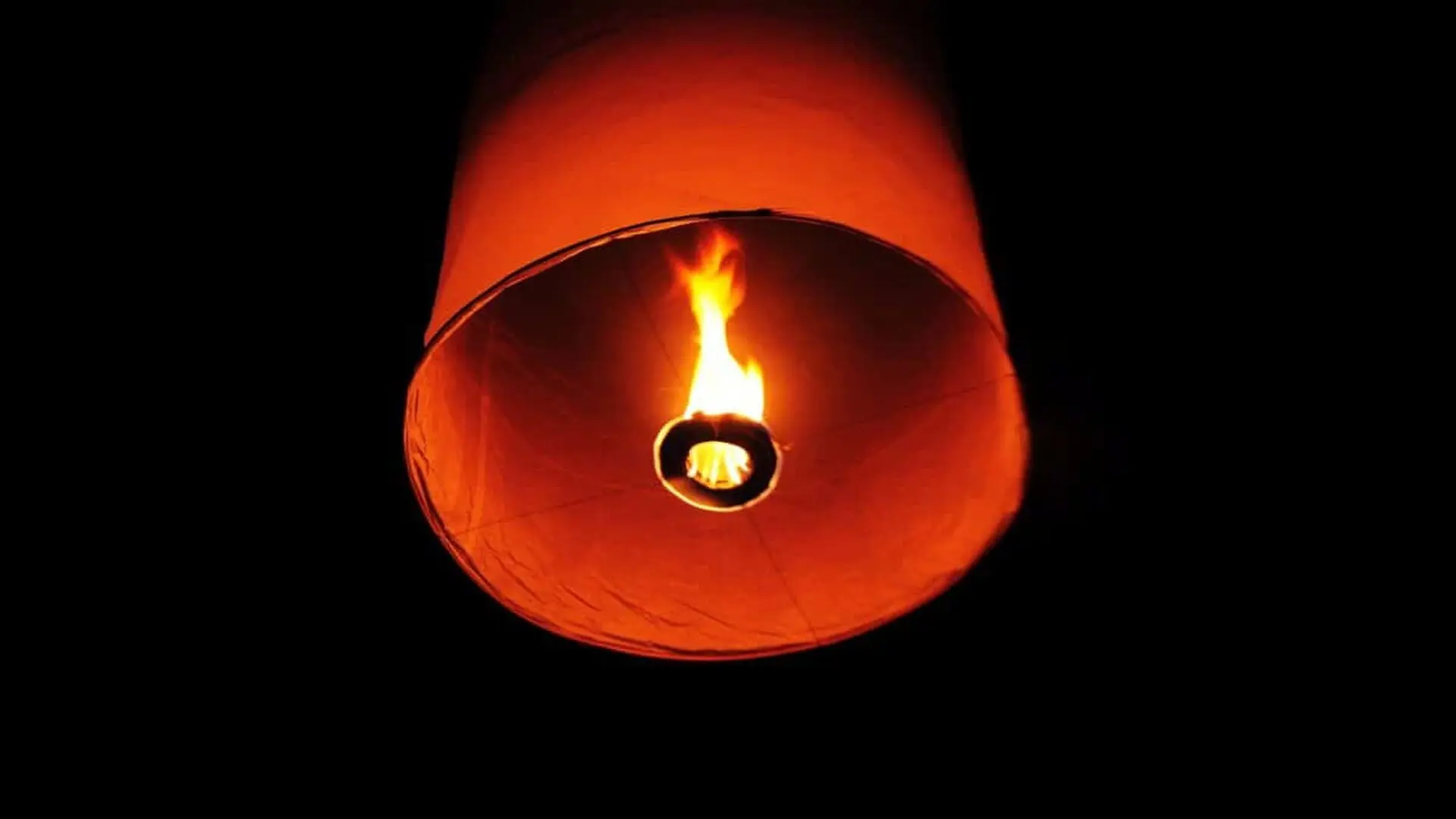
Among these aspiring aeronauts was a surgeon named Bleakley, based in Tullamore, Ireland. Motivated by the prevailing ballooning craze, he set out to build his own craft. While the Montgolfiers had utilized sophisticated cotton canvas and paper, Bleakley opted for a design constructed entirely of paper, fueled by a simple straw fire held within a basket suspended beneath the envelope.
A Routine Launch Leads to Catastrophic Consequences
On May 10, 1785, the town of Tullamore was bustling with visitors for a local fair, providing a ready audience for Bleakley’s experiment. After tethering the unmanned craft to fill it with heated air, he severed the lines and watched it ascend. However, the flight was short-lived. As the air cooled and the craft lost buoyancy, it drifted toward the town center, eventually snagging on a chimney.
The resulting aerial disaster was swift and devastating. The fire from the balloon ignited the rooftop, and high winds helped spread the flames rapidly along Barrack Street, now known as Patrick Street. Residents scrambled to save their belongings as the inferno consumed nearly every building on the thoroughfare, including a local brewery.
According to reports from the Hibernian Magazine, the blaze obliterated at least 100 homes. Contemporary accounts in the Dublin Evening Post described the aftermath as a “dreadful calamity,” noting that many residents faced total ruin. The sheer scale of the destruction forced an extensive reconstruction of the street, which ultimately resulted in a wider, more commercially viable layout for the town.
From Ashes to Economic Renewal
In the wake of the tragedy, local landlord Charles William Bury provided significant financial aid to the displaced population, a gesture valued at approximately $130,000 in today’s currency. This relief effort, combined with the subsequent rebuilding, transformed Tullamore from a modest village into a thriving hub for trade.
In his 1801 Survey of King’s County, historian Charles Coote reflected on the town’s recovery, famously observing that Tullamore had “risen, Phoenix-like, from its ashes.” This imagery became a permanent part of the local identity, eventually being incorporated into the town’s modern coat of arms. Physical remnants of the era persist as well, with structures like De Brún’s Pub on Patrick Street standing as survivors of the 1785 fire.
While the incident marked a grim milestone in early aviation—happening despite the earlier, successful hydrogen-balloon flight of Irish aeronaut Richard Crosbie in January 1785—the event remained etched in the collective memory of the community. In 2013, the town even released a commemorative whiskey to mark the anniversary of the disaster, ensuring that the day the “fire balloon” changed Tullamore remains a documented chapter of Irish history.
This article has been fact checked for accuracy, with information verified against reputable sources. Learn more about us and our editorial process.
Last reviewed on .
Article history
- Latest version
Reference(s)
- “The first hot air balloon flight | Château de Versailles.” The first hot air balloon flight | Château de Versailles <https://en.chateauversailles.fr/discover/history/key-dates/first-hot-air-balloon-flight>.
- Rayne, Elizabeth. “A Doctor Built a Balloon Almost Entirely Out of Paper. Then He Caused the First Aviation Disaster in History..”, September 23, 2026 Popular Mechanics <https://www.popularmechanics.com/flight/a73817127/first-aerial-disaster-in-history/>.
Cite this page:
- Posted by Karan Das