Archaeologists Followed a Forgotten Staircase in an Old Church and Found a 400-Year-Old Burial Vault Hidden Beneath the Floor
Undiscovered staircase beneath French church reveals centuries-old sealed burials and untouched stone sarcophagi
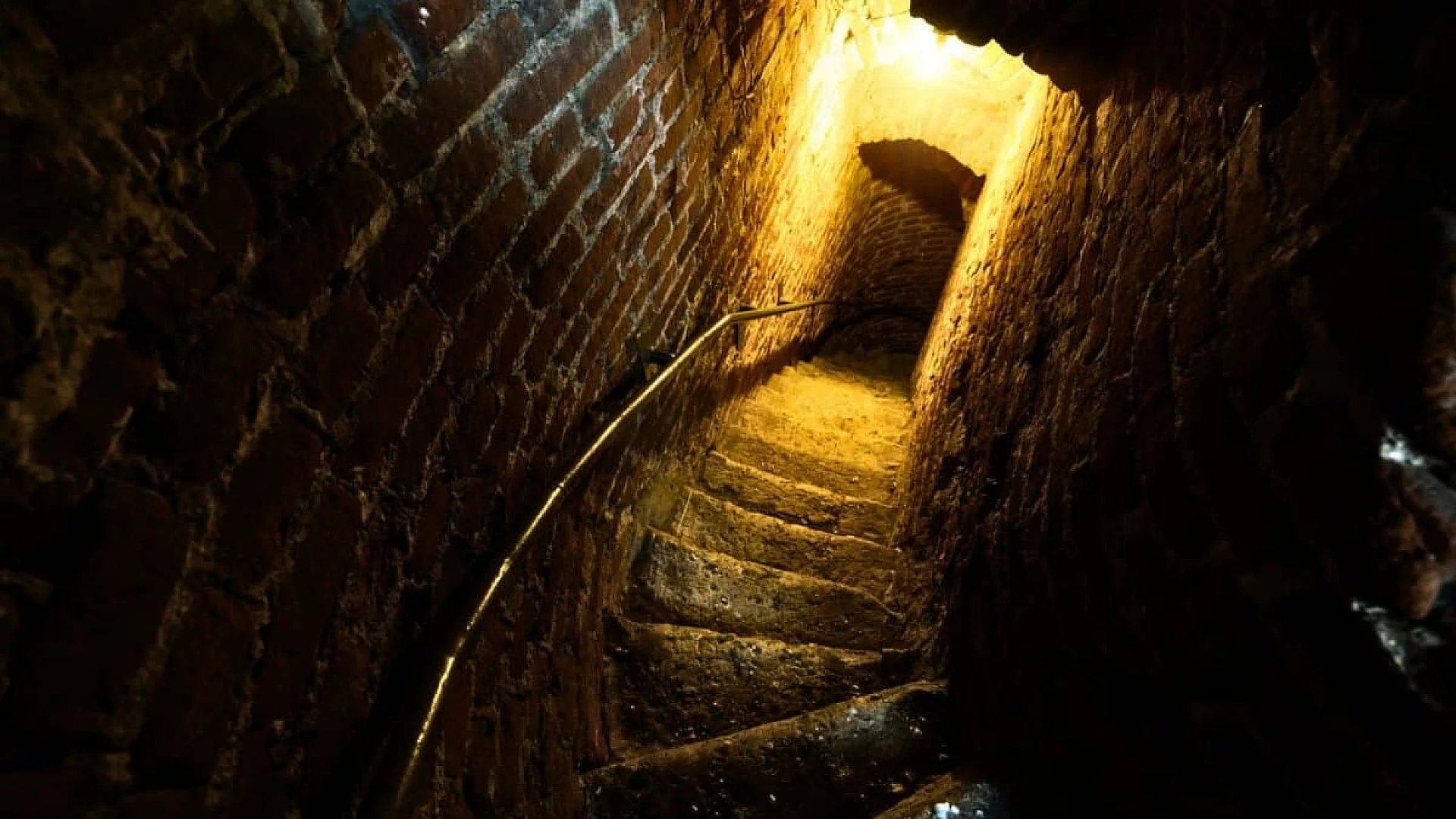
During routine repairs at the Church of Saint‑Philibert in Dijon, workers lifted a concrete floor slab and uncovered a hidden stairwell that led to a sealed burial chamber untouched for four centuries. Beneath the vault, archaeologists discovered successive layers of tombs, sarcophagi and structural remnants that together span more than a millennium of the city’s past.
Erected in the latter half of the 12th century, Saint‑Philibert is the only surviving Romanesque church of its type in Dijon. Its recent deterioration stemmed from a 1974 refurbishment that installed a heated concrete platform over floors already saturated with centuries of salt, a legacy of the building’s former role as a salt depot after the French Revolution.
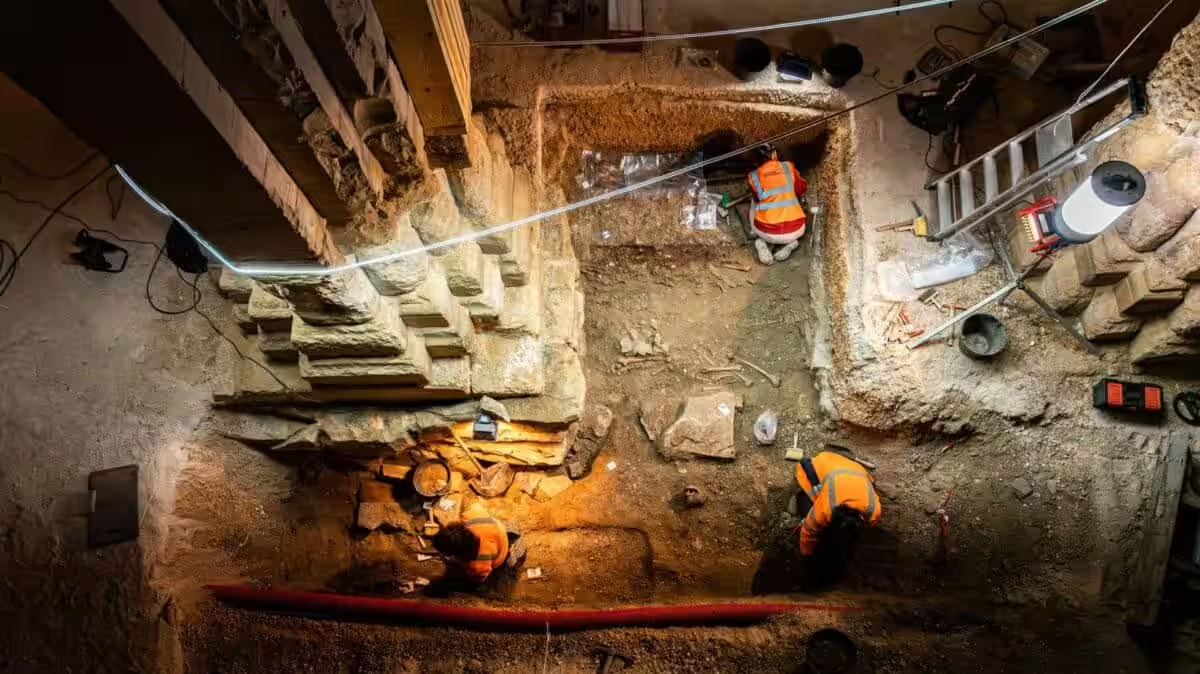
The unexpected stairwell prompted the French National Institute for Preventive Archaeological Research (INRAP) to intervene. What began as a structural assessment quickly expanded into a three‑meter‑deep archaeological excavation.
Renovation Mistakes and Salt‑Induced Decay
After the Revolution, the church served as a salt warehouse throughout the 18th and 19th centuries, allowing large quantities of salt to permeate its stone fabric. The 1974 addition of a heated concrete slab caused thermal expansion and contraction of the trapped salt, gradually cracking the foundations and necessitating the removal of the slab—a step that revealed the hidden staircase.
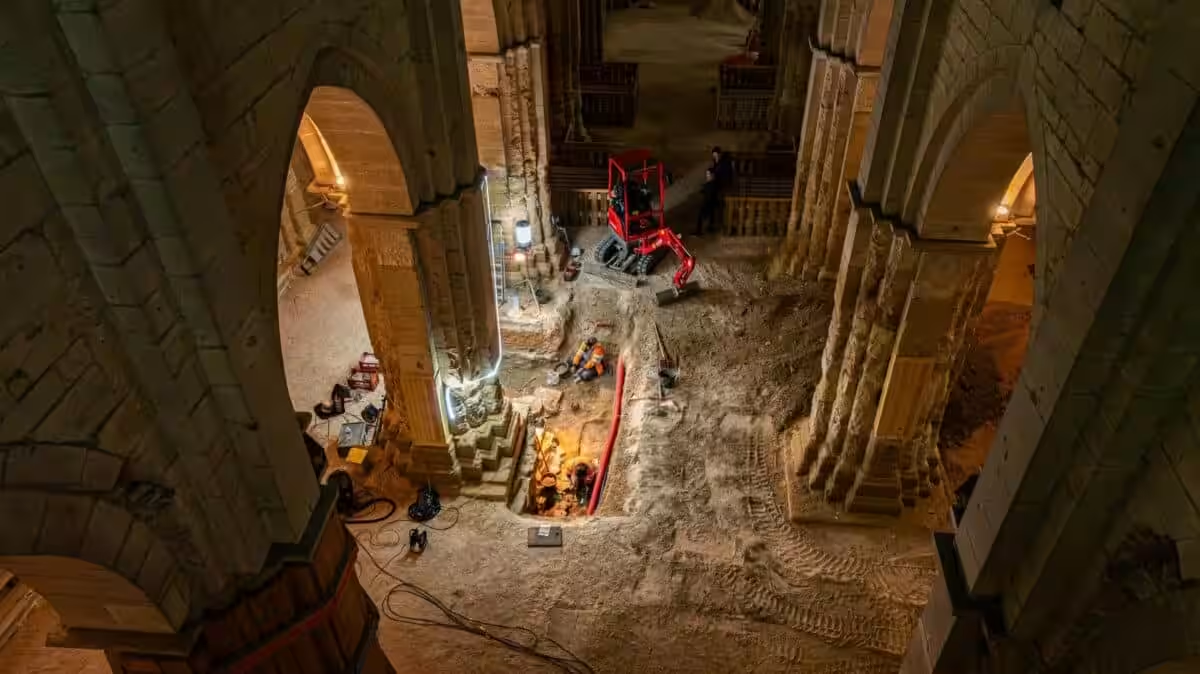
INRAP’s involvement proved decisive. As workers probed different sections of the nave, additional unexpected materials surfaced, turning a simple repair into a portal through more than a thousand years of urban history.
Sealed Vault Yields Human Remains
The stairwell opened onto a burial vault in the transept, which INRAP dates to the 15th or 16th century. Inside, the remains of children and adults lay in wooden coffins, with bones having been shifted aside to accommodate later interments—a practice typical of communal crypts of that era.
Most skeletons were clothed in simple shrouds; only a handful of coins and two rosaries were recovered. The chamber’s depth measures roughly nine feet, and six additional sarcophagi were uncovered alongside the coffins.
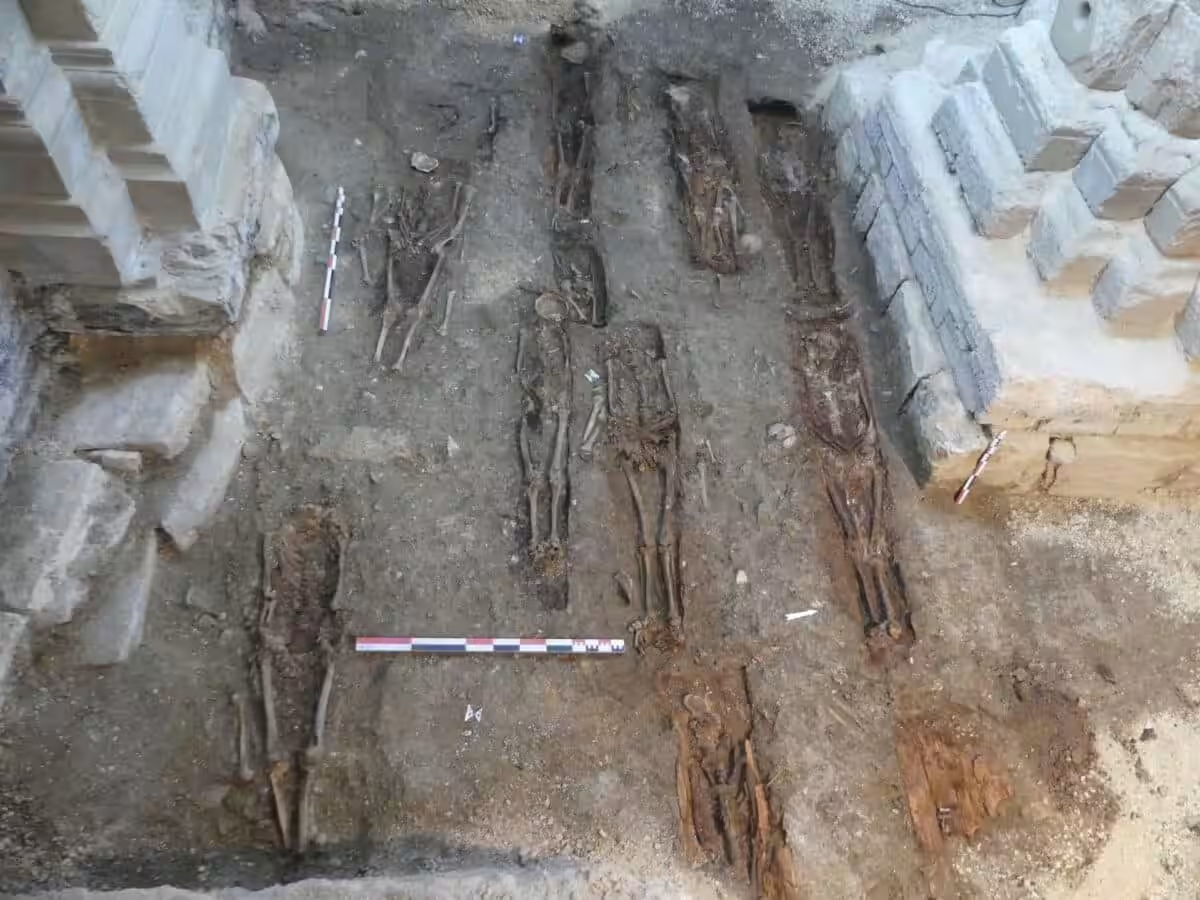
The concentration of burials has led some scholars to speculate that a pandemic or famine may have contributed to the deaths, although INRAP stresses that this remains a hypothesis pending further osteological analysis.
Additional coffins, ranging from the 14th to the 18th centuries, were retrieved from the nave. All were oriented east‑west and contained minimal grave goods, reinforcing the notion that Saint‑Philibert functioned as an active burial ground for several centuries before its deconsecration.
Earlier Foundations: From Slab Tombs to Merovingian Sarcophagi
Beneath the 15th‑16th century crypt, archaeologists identified slab tombs dating between the 11th and 13th centuries, which predate the current Romanesque structure. Even deeper, six sarcophagi linked to the Merovingian period (6th–8th centuries) were uncovered, with some elements possibly older.
Structural analysis revealed walls constructed in opus spicatum, a herringbone masonry technique associated with the Early Middle Ages, suggesting that a 10th‑century building once occupied the site. INRAP notes that such continuity mirrors a broader European pattern in which successive sacred edifices are erected atop earlier ones.
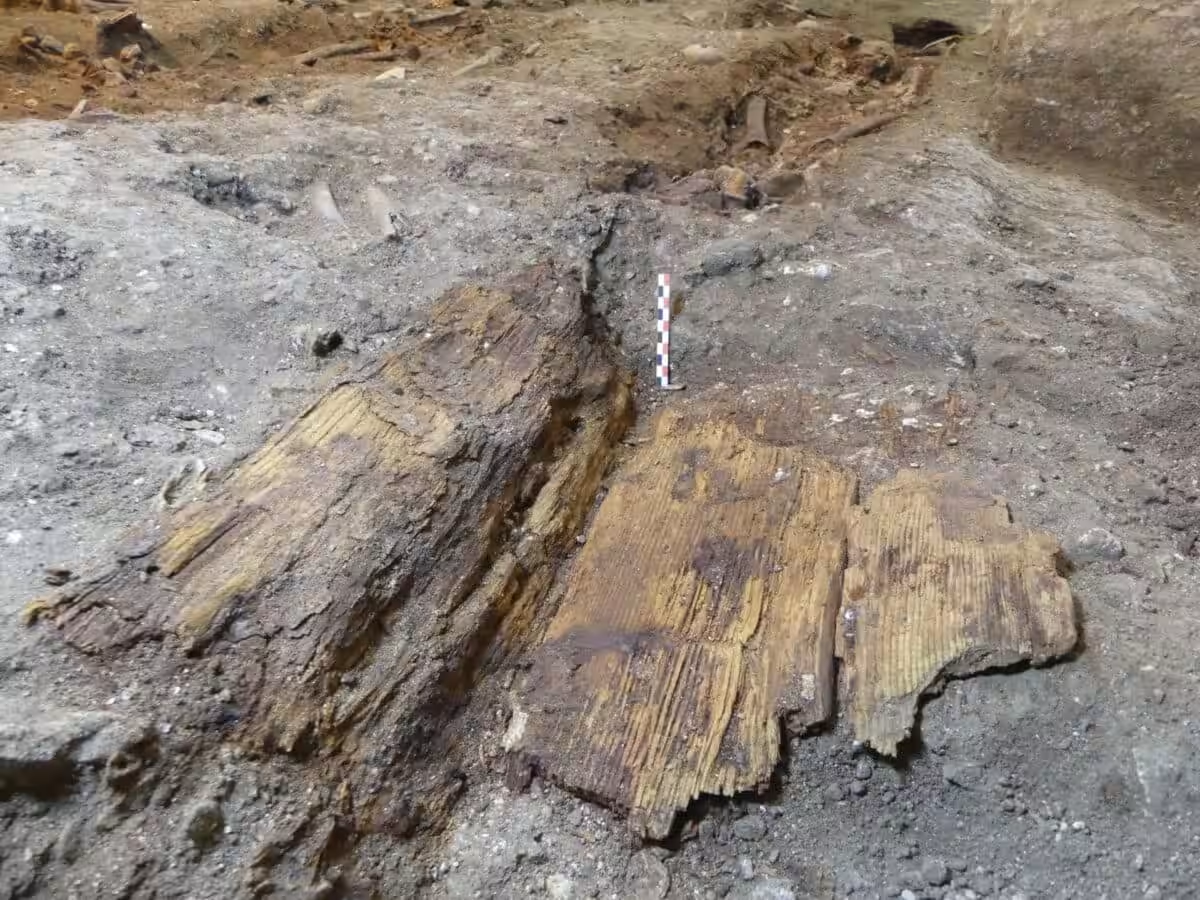
The assemblage of Merovingian sarcophagi, slab tombs and herringbone walls points to a continuous sacred presence on the site from Late Antiquity through the medieval period, offering a rare vertical stratigraphy that spans roughly 1,500 years.
A Millennial Timeline Captured Beneath One Floor
The three‑meter excavation plan has already intersected distinct occupational phases, each representing a different community and construction style. Researchers are now cataloguing and conserving the finds, recognizing Saint‑Philibert as an uninterrupted archaeological record that reaches back to at least the 6th century and perhaps earlier.
According to INRAP, few European sites provide such a compact yet comprehensive vertical sequence from Late Antiquity to the modern era, making the discovery at Saint‑Philibert both unique and invaluable for understanding the region’s long‑term urban development.
The work continues, with specialists evaluating the best methods to document, reconstruct and preserve the layered heritage uncovered beneath the historic church floor.
This article has been fact checked for accuracy, with information verified against reputable sources. Learn more about us and our editorial process.
Last reviewed on .
Article history
- Latest version
Cite this page:
- Posted by Zara Tariq