How Public Flashcards Uncovered US Nuclear Weapon Vaults in Europe
Public flashcards inadvertently revealed nuclear weapons data across Europe, exposing a surprising security breach from a common study tool.
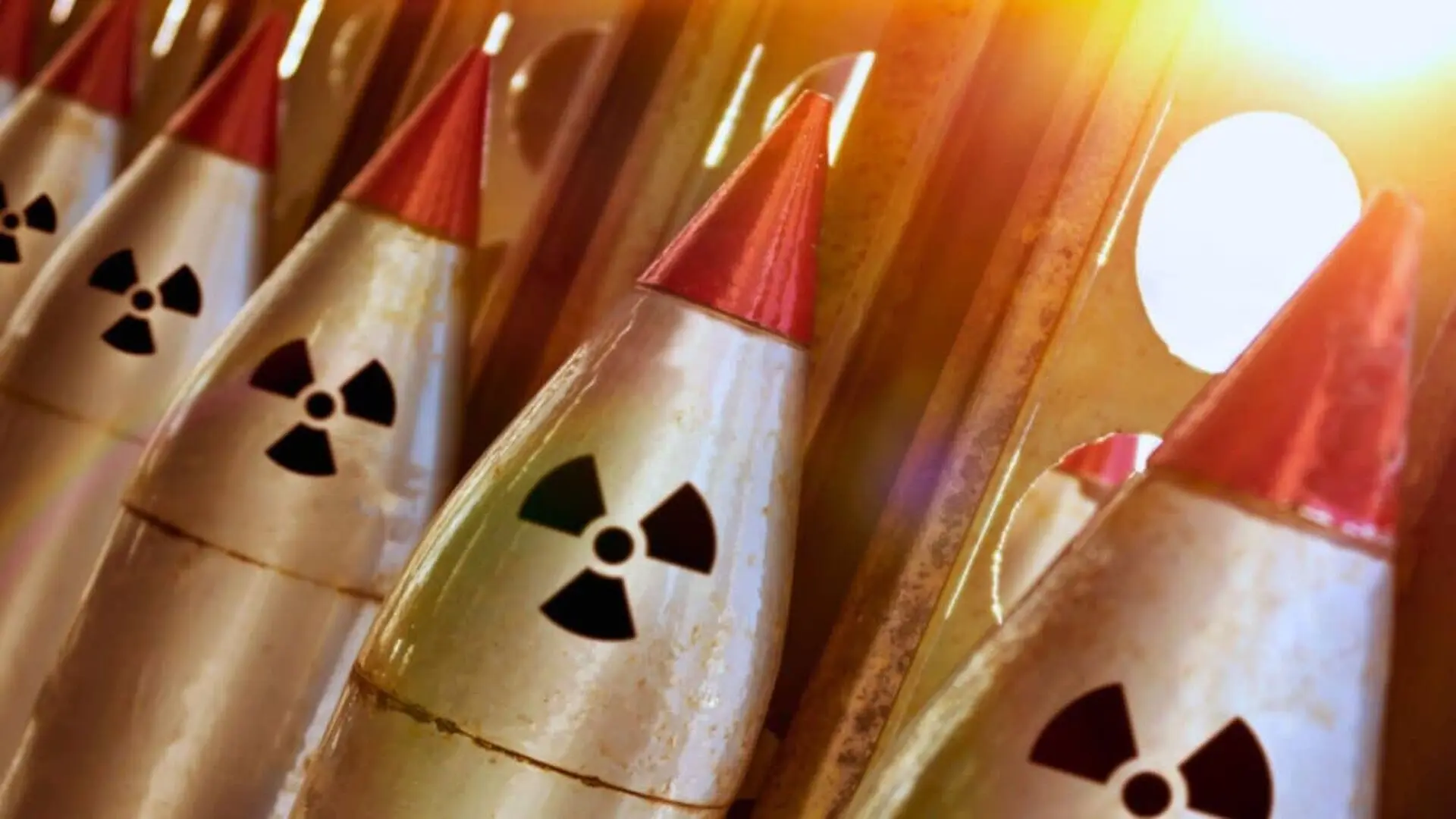
A simple web search for military study guides uncovered more than textbook definitions. Public flashcard collections linked to European airfields listed shelter identifiers, alarm protocols, camera placements and coded words used by guards tasked with protecting nuclear arsenals.
These decks appeared on mainstream learning sites such as Quizlet, Chegg and Cram. While some remained online for years, at least one user was still reviewing related material as recently as April 2021, as Bellingcat reported.
Service members had uploaded sensitive information about U.S. nuclear weapons stationed in Europe to publicly searchable flashcard sets. The disclosed data covered storage sites and daily protection routines at bases in the Netherlands, Belgium, Germany, Italy and Turkey.
Hidden Details of Nuclear Storage Revealed in Online Study Cards
The material referenced six installations reported to host American nuclear weapons: Aviano and Ghedi in Italy, İncirlik in Turkey, Kleine Brogel in Belgium, Büchel in Germany and Volkel Air Base in the Netherlands. The host governments typically refrain from confirming or denying the presence of the weapons.
At Volkel, one collection comprised 70 flashcards that catalogued the status of eleven underground vaults. Five were labeled “HOT,” suggesting they contained weapons, while six were marked “COLD,” indicating they were believed to be empty. Bellingcat obscured part of the shelter numbers when publishing its findings.
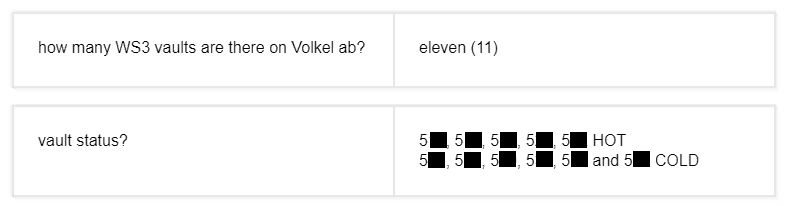
The shelters are visible in publicly available satellite imagery of Volkel Air Base, although the images do not reveal the contents of each structure. By cross‑referencing the flashcards with maps, photographs and known military terminology, investigators linked specific notes to distinct areas of the installation.
A separate set tied to Aviano Air Base contained more than 80 cards. It outlined the sequence in which personnel should respond to alarms, prioritising alerts from loaded vaults and detailing procedures associated with particular sections of the base.
Keyword Searches Uncovered Sensitive Flashcard Content
Investigators arrived at the decks by searching for military terms already present in open‑source documents. One such term was Weapons Storage and Security System (WS3), a designation for a system that integrates an underground vault, electronic controls and sensors inside certain aircraft shelters.
A protective aircraft shelter is a reinforced structure used to house military aircraft. At nuclear‑capable sites, some shelters incorporate a WS3 vault built into the floor. Technical references cited in the investigation note that each vault can accommodate up to four B61 gravity bombs.
Combining base names with keywords such as “PAS,” “WS3” and “vault” yielded study sets on several learning platforms. While many cards contained routine data—abbreviations and standard procedures—some users added details linked to their assignments and locations.
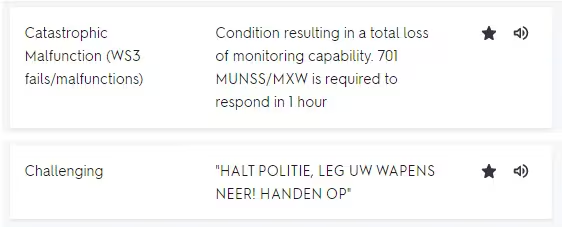
These additions included camera locations, sensor placements, patrol schedules and the frequency of checks around storage shelters. Other cards described alarm priorities, backup equipment, password policies and items carried by armed response teams.
Several decks also listed information about restricted‑area badges and duress protocols. A duress signal is a covert word or action used by someone under threat, allowing colleagues to recognise the danger without alerting the coercer.
Social Media Image Provides Additional Clues About Volkel Base
Flashcards were not the sole public material linked to Volkel. A Facebook photograph posted in 2013 showed members of the 703rd Munitions Support Squadron standing beside an object resembling a B61 nuclear bomb.
Bellingcat matched visible features—nearby trees, runway markings and the layout of surrounding buildings—to the base, placing the image outside a shelter associated with a WS3 storage vault.
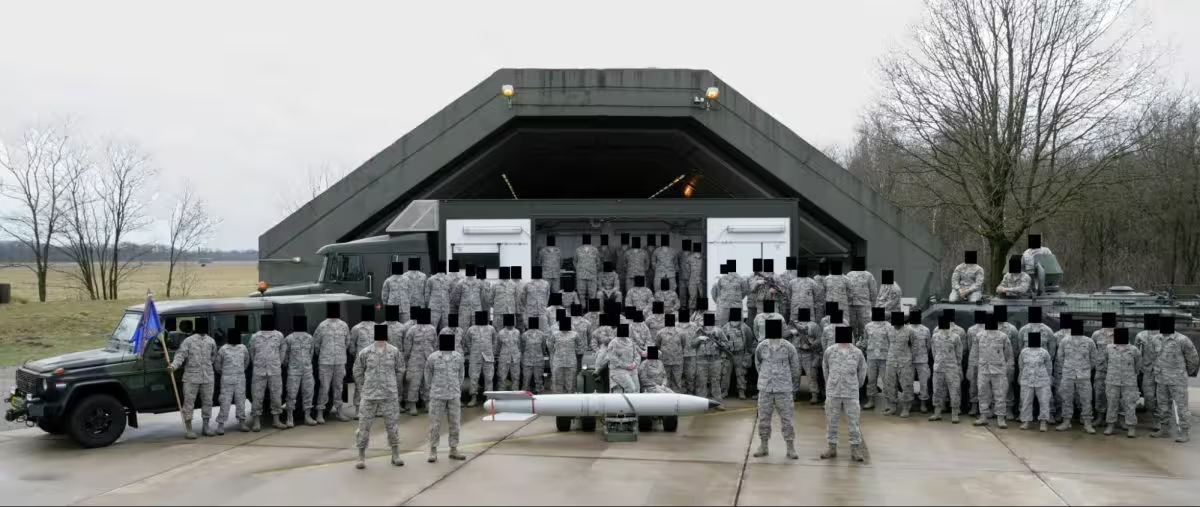
The Dutch Ministry of Defence identified the object as an inert training weapon rather than an operational bomb, and a spokesperson said the photo “should not have been taken, let alone published.”
Training versions of the B61 can closely mimic operational weapons. Hans Kristensen of the Federation of American Scientists noted that clear serial‑number markings would provide the most reliable distinction, but those markings were not discernible in the available image.
Findings Highlight Storage Procedures, Not Weapon Release Mechanisms
The disclosed material described storage locations and protective measures, not the full sequence required to arm or employ a nuclear weapon. A Popular Mechanics report explains that B61‑3 and B61‑4 bombs need a 12‑digit PAL code before they can be armed.
PAL (Permissive Action Link) is an access‑control system designed to prevent unauthorised use. Weapon deployment also depends on additional conditions, including an approved aircraft, a programmed flight profile and a predetermined release sequence.
Prior to publishing its report, Bellingcat sent NATO, U.S. European Command and the U.S. Department of Defense links to 50 flashcard sets containing security information. The identified sets were removed from Quizlet, Chegg and Cram shortly before the investigation was released.
The U.S. Air Force acknowledged that personnel use flashcard apps to study “a wide variety of subjects,” but it did not endorse the practice and said it was “investigating the suitability of information shared via study flashcards.”
Jeffrey Lewis, director of the East Asia Nonproliferation Program at the James Martin Center for Nonproliferation Studies, described the leak as a “flagrant breach” of security protocols. Kristensen summed up the standard as “effective security, not secrecy.”
This article has been fact checked for accuracy, with information verified against reputable sources. Learn more about us and our editorial process.
Last reviewed on .
Article history
- Latest version
Reference(s)
- Postma, Foeke. “US Soldiers Expose Nuclear Weapons Secrets Via Flashcard Apps - bellingcat.”, May 28, 2021 bellingcat <https://www.bellingcat.com/news/2021/05/28/us-soldiers-expose-nuclear-weapons-secrets-via-flashcard-apps/>.
- “Google Maps.” Google Maps <https://www.google.com/maps/place/Volkel+Air+Base/@51.6614138,5.7127172,1912a,35y,180h/data=!3m1!1e3!4m5!3m4!1s0x47c71d6fec23ff65:0x283613b38fb73566!8m2!3d51.6562069!4d5.67367>.
- Mizokami, Kyle. “The Air Force Accidentally Leaked Secret Nuke Locations—on the World’s Most Dangerous Study Flashcards.”, April 21, 2026 Popular Mechanics <https://www.popularmechanics.com/military/weapons/a71084244/air-force-exposed-nuclear-weapons-secrets-flashcards/>.
Cite this page:
- Posted by Zara Tariq