How The Mongol Empire Swallowed One Fifth Of Earth’s Land And Fell In A Century
Explore Marco Polo’s 24‑year trek from Venice to Kublai Khan, and how his dictated Travels became a landmark European view of the Mongol Empire.
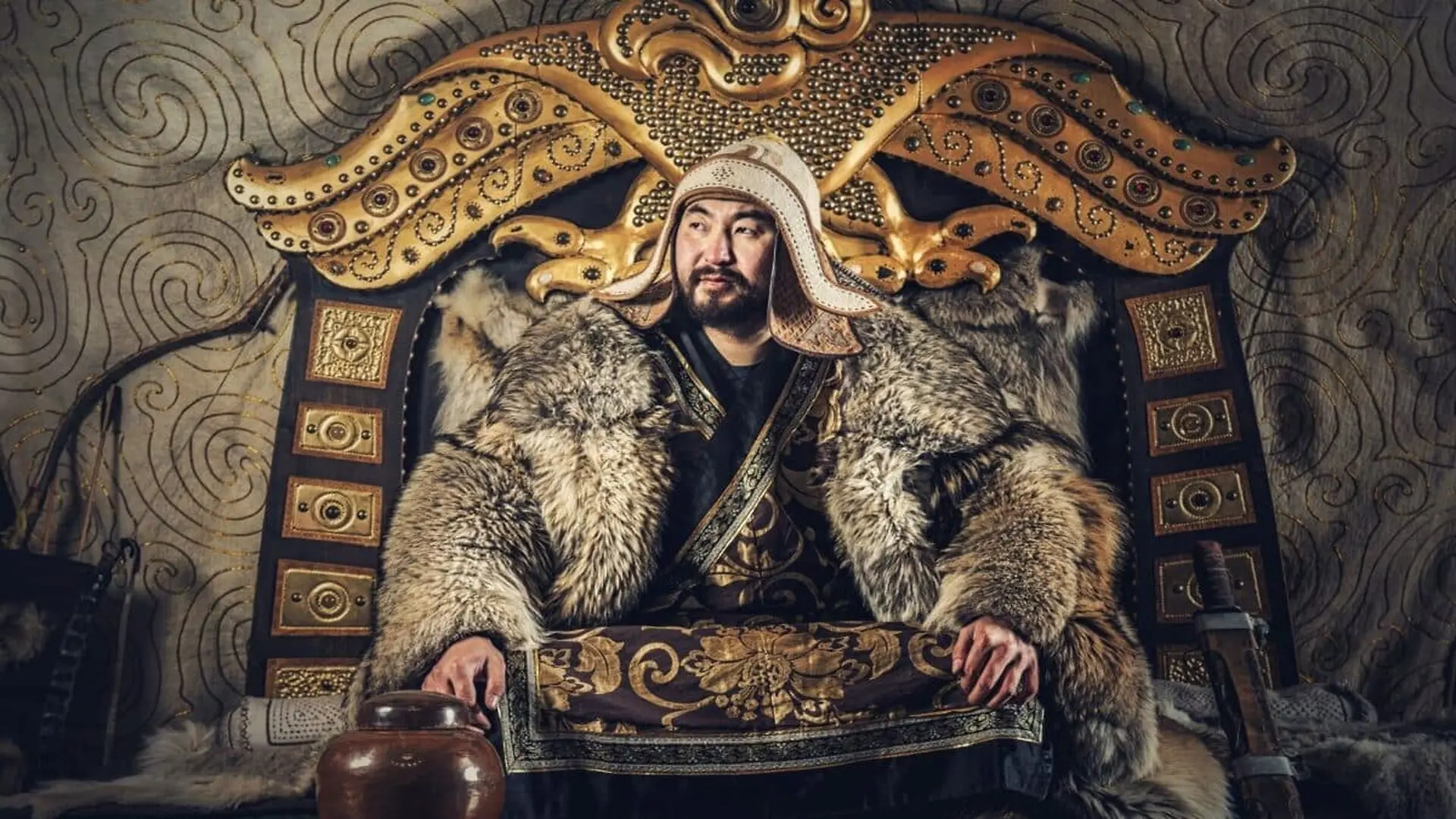
Historians agree that the Mongol Empire remains the largest uninterrupted land empire ever created. By 1279 its dominion spanned roughly nine million square miles—about one‑fifth of the planet’s terrestrial surface—and stretched across 28 present‑day nations, from the Sea of Japan to modern‑day Poland. The famed traveler Marco Polo found himself in the heart of this vast realm during the reign of its most formidable sovereign, lending his travelogue a rare degree of first‑hand credibility.
Inside Kublai Khan’s Opulent Capital
Polo’s chronicles portray the imperial palace at Khanbaliq as a glittering complex whose walls and chambers were entirely sheathed in gold and silver, adorned with intricate reliefs of dragons, avian motifs, mounted warriors, battle scenes and a menagerie of fantastical beasts. He also noted a central hall so immense that it could comfortably seat over 6,000 diners at a single banquet.
Beyond the visual splendor, Polo highlighted a sophisticated bureaucracy that kept the empire cohesive. A relay network of mounted couriers and waystations spanned the entire territory, while a paper currency, sanctioned by the Great Khan’s authority, facilitated trade. As documented in a contemporary study of the empire’s expansion, these administrative feats built upon reforms introduced by Genghis Khan—merit‑based appointments, religious tolerance and legal innovations that secured the allegiance of subjugated peoples as the Mongols pushed outward from their steppe origins reported.
Military Innovation and Cultural Adaptability
Polo’s observations also shed light on the martial tactics that powered the empire’s rapid growth. He described the Mongol cavalry’s precision with the composite bow, their use of stirrups and leather armor, and their willingness to incorporate conquered societies’ administrators and technologies—such as gunpowder—into their own war machine.
Cracks Within the Mongol World Order
Despite the grandeur Polo witnessed, the unity of the empire was already fraying. Genghis Khan’s death in 1227 triggered a power struggle among his heirs, and by the early 1260s, when Kublai Khan overcame his brother Ariq Böke, the realm had already divided into four distinct khanates: the Yuan dynasty under Kublai in China, Mongolia and Korea; the Golden Horde in Eastern Europe; the Chagatai Khanate in Central Asia; and the Ilkhanate in Persia.
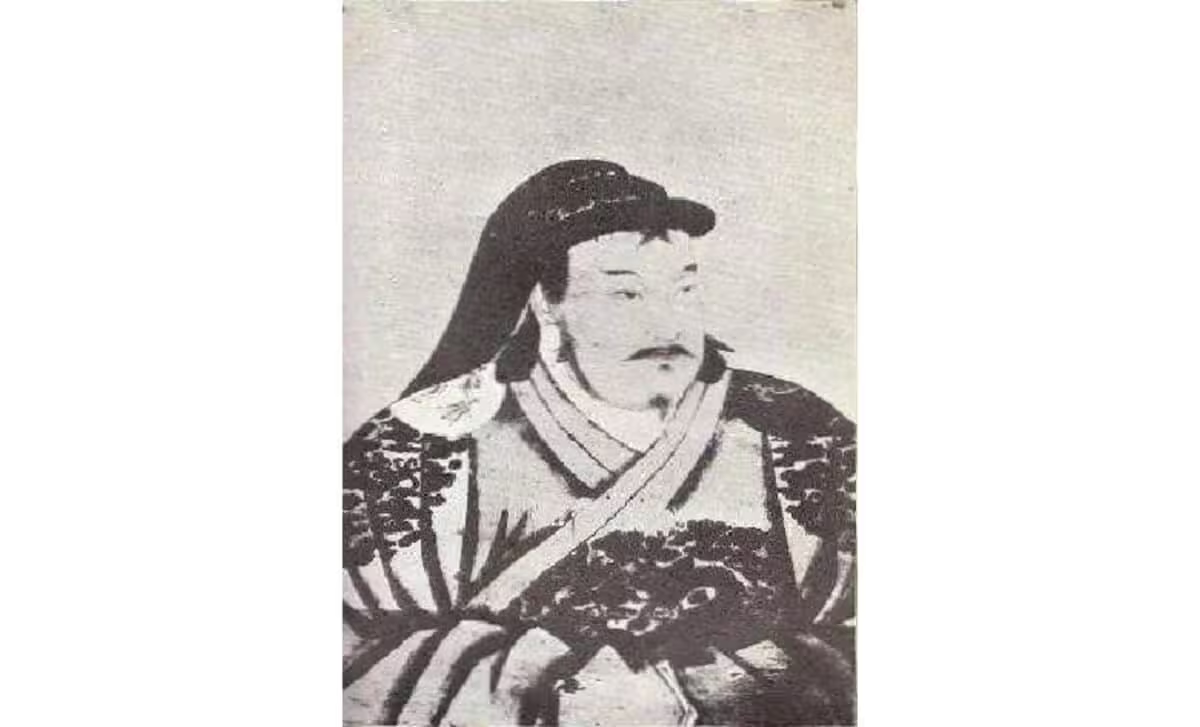
Polo dedicated an extensive portion of his narrative to the internecine wars that plagued the Mongol elite, including the protracted clash between Kublai and his nephew Qaidu, as well as the succession turmoil that engulfed the Ilkhanate after the death of Hülegü’s heirs. He recounted battles involving hundreds of thousands of horsemen and noted that these rivalries persisted even as the empire’s borders continued to expand.
The fragmented khanates did not endure long after Polo’s return to Venice in 1295. The Ilkhanate disintegrated in the 1330s amid a dynastic crisis and the devastation of the Black Death, while the Yuan dynasty was overthrown by the Ming in 1368—a milestone commonly regarded as the definitive end of Mongol rule, although remnants of the Golden Horde and Chagatai Khanate lingered for several more decades.
The same logistical capacity that enabled Kublai to host feasts for tens of thousands and maintain a messenger network across a fifth of the world’s land ultimately proved unsustainable. Successors found themselves tasked with governing territories too expansive and too divided to preserve cohesive control.
This article has been fact checked for accuracy, with information verified against reputable sources. Learn more about us and our editorial process.
Last reviewed on .
Article history
- Latest version
Reference(s)
- “The%20Travels%20by%20Marco%20Polo.” <https://dn710705.ca.archive.org/0/items/thetravelsbymarcopolo/The%20Travels%20by%20Marco%20Polo.pdf>.
Cite this page:
- Posted by Zara Tariq