Hidden 85-Year-Old Skull Unveils Denisovan Face Using Tiny Plaque Sample
Scientists finally decode a 1933 Chinese skull, revealing its pivotal role in understanding human evolution.
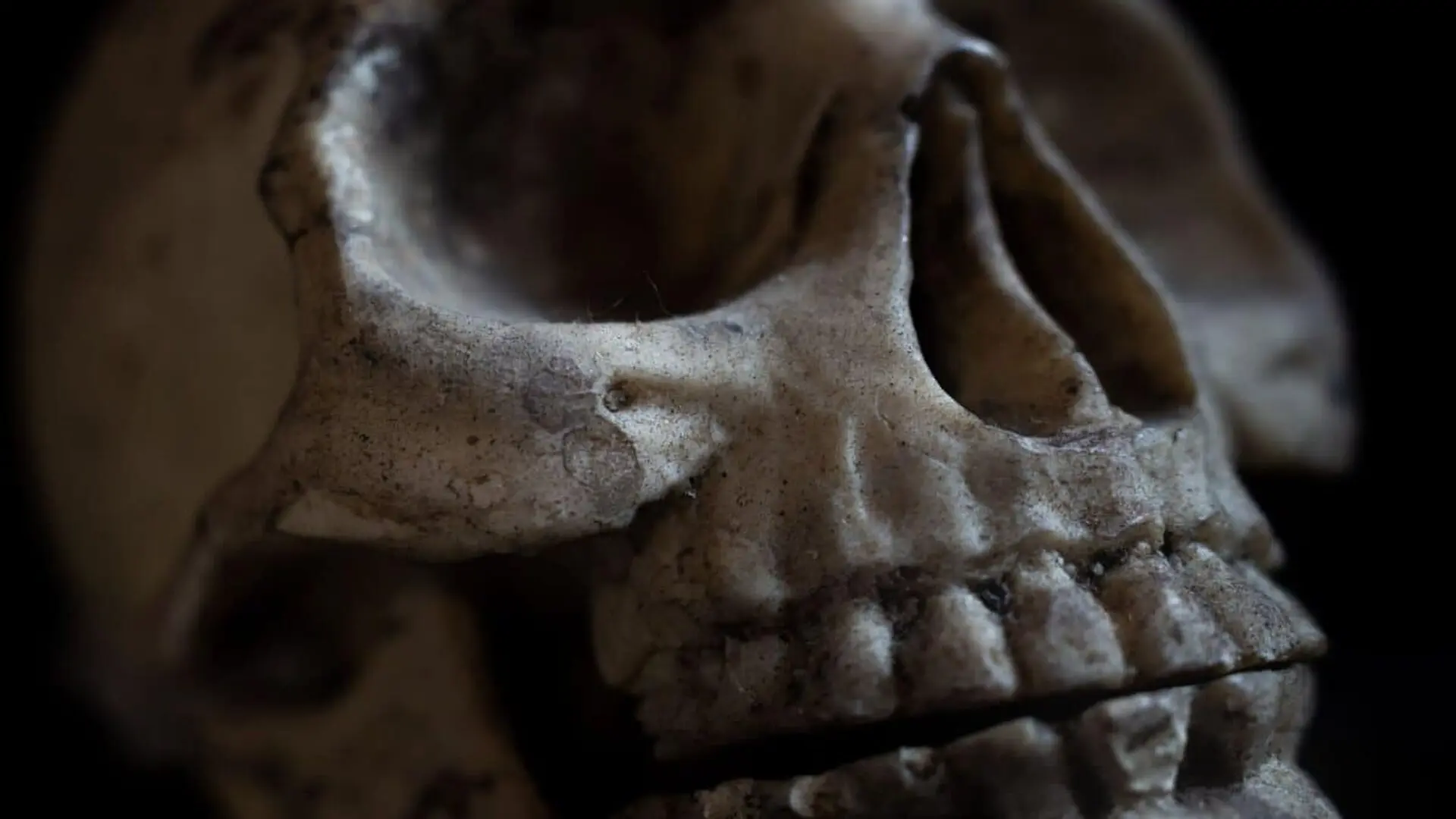
A human cranium unearthed beneath a bridge in northeastern China and concealed for eight decades has finally given scientists a glimpse of the long‑mysterious Denisovan face, thanks to a minuscule amount of ancient dental plaque preserved on a single tooth.
The fossil’s journey began in 1933 when a construction worker digging the foundations of the Dongjiang Bridge near Harbin stumbled upon a massive skull. Rather than turning it over to authorities, he stashed the bone at the bottom of an abandoned well, where it remained hidden until his family disclosed its existence in 2018. Once recovered, the specimen sparked immediate excitement: it represented a complete skull from a lineage previously known almost exclusively from DNA fragments and a handful of bone pieces.
A Long‑Lost Cranium Resurfaces After Eight Decades
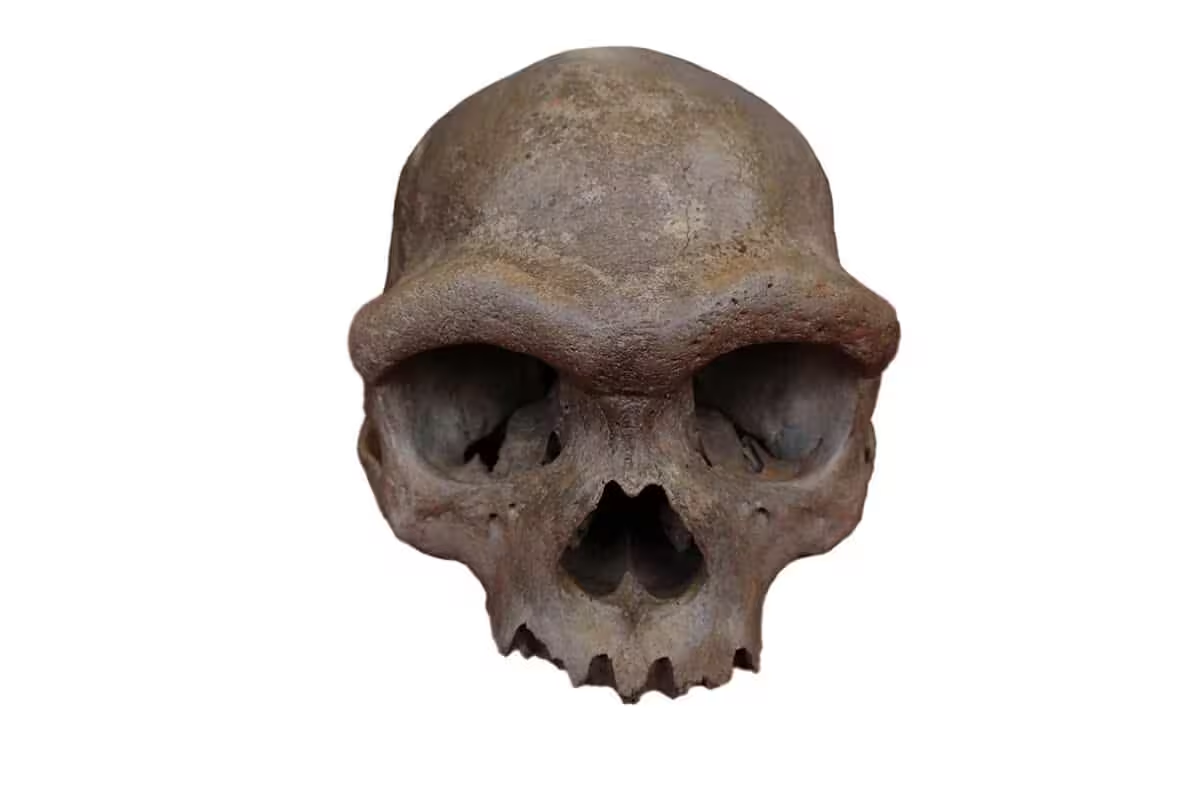
Paleoanthropologist Qiang Ji of Hebei GEO University was the first to examine the skull and noted that its morphology did not align neatly with any established human group. The fossil displays an unusually large cranial vault, thick brow ridges, and a broad, low‑set face. Uranium-series dating places the bone at a minimum of 146,000 years old. In 2021, Ji and collaborators proposed the name Homo longi—popularly dubbed “Dragon Man”—linking the specimen to the Long Jiang region where it was found. Early reactions were mixed, with many researchers suspecting a Denisovan identity, yet lacking any visual reference for the group.

Tiny Dental Calculus Provides Genetic Key
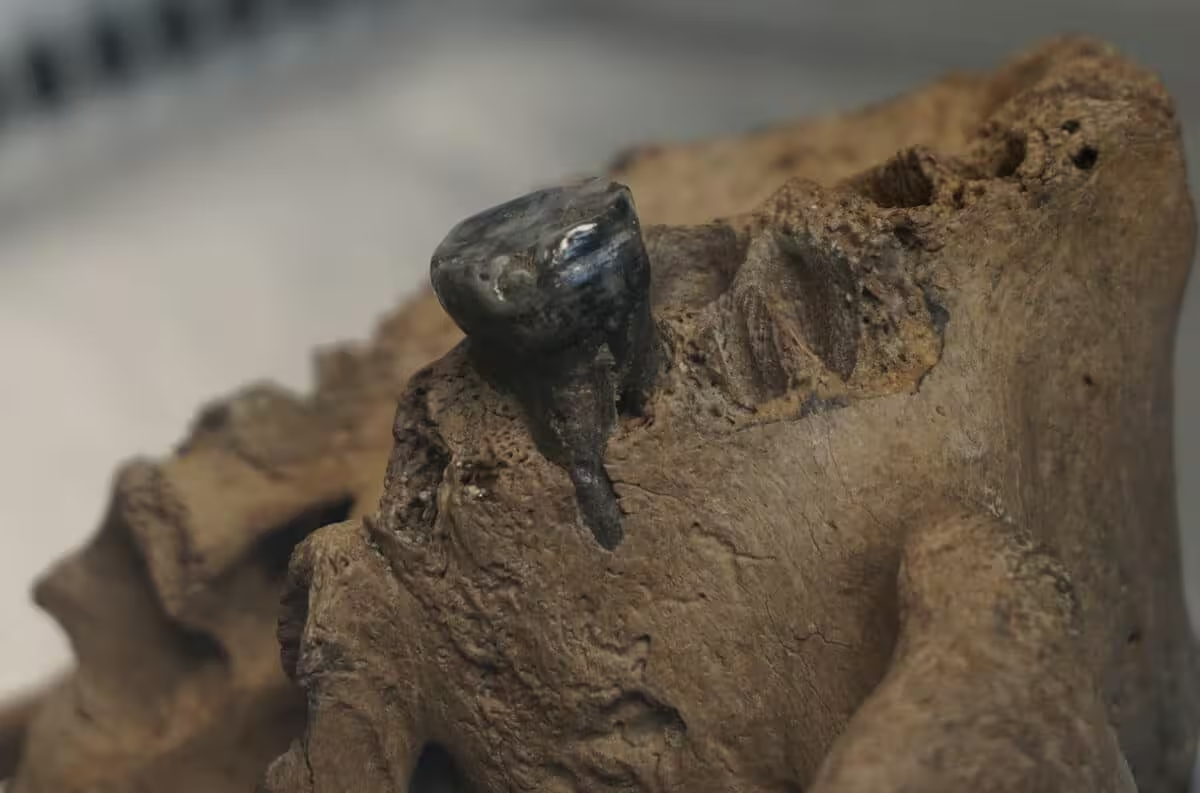
Initial attempts to extract DNA from the skull’s bone and teeth proved futile, as the genetic material was too degraded. The breakthrough arrived from fossilized dental calculus—commonly known as plaque—adhering to the remaining tooth. Led by Qiaomei Fu at the Chinese Academy of Sciences, the team analyzed merely 0.3 milligrams of this material, roughly the mass of a poppy seed. Within that tiny sample, mitochondrial DNA matching Denisovan sequences from Siberia was identified, corroborated by protein signatures preserved in the dense petrous portion of the inner ear.
Denisovan Identity Confirmed
Combined genetic and proteomic evidence was published in Cell and Science in 2025, unequivocally assigning the Harbin cranium to the Denisovan lineage. The finding resolves a decade‑long mystery: for the first time, researchers can associate a concrete facial morphology with the Denisovans, a group previously known primarily through fragmented DNA.
Implications for Modern Human Genetics
The Harbin specimen demonstrates that Denisovans possessed a robust cranial architecture, marked by a large skull, pronounced facial features, and a dense bone framework. This anatomical insight dovetails with genetic studies showing Denisovan ancestry persisting in present‑day populations, notably among Tibetans, who inherit a Denisovan‑derived segment linked to high‑altitude adaptation. Ongoing debates, highlighted by Svante Pääbo, question whether Denisovans merit a distinct species label given the extensive interbreeding among ancient hominins.
This article has been fact checked for accuracy, with information verified against reputable sources. Learn more about us and our editorial process.
Last reviewed on .
Article history
- Latest version
Reference(s)
- <https://www.researchgate.net/scientific-contributions/Qiang-Ji-38519339>.
- <https://www.science.org/content/article/dragon-man-skull-belongs-mysterious-human-relative>.
- “Svante Pääbo - Max Planck Institute for Evolutionary Anthropology.” <https://www.eva.mpg.de/genetics/staff/paabo/>.
Cite this page:
- Posted by Elizabeth Taylor