New Blind Transparent Snail Found In China’s Highest‑Altitude Cave
New eyeless freshwater snail Erhaia dijiang discovered in a Yunnan cave, the first recorded Chinese cave snail, with only three adults found.
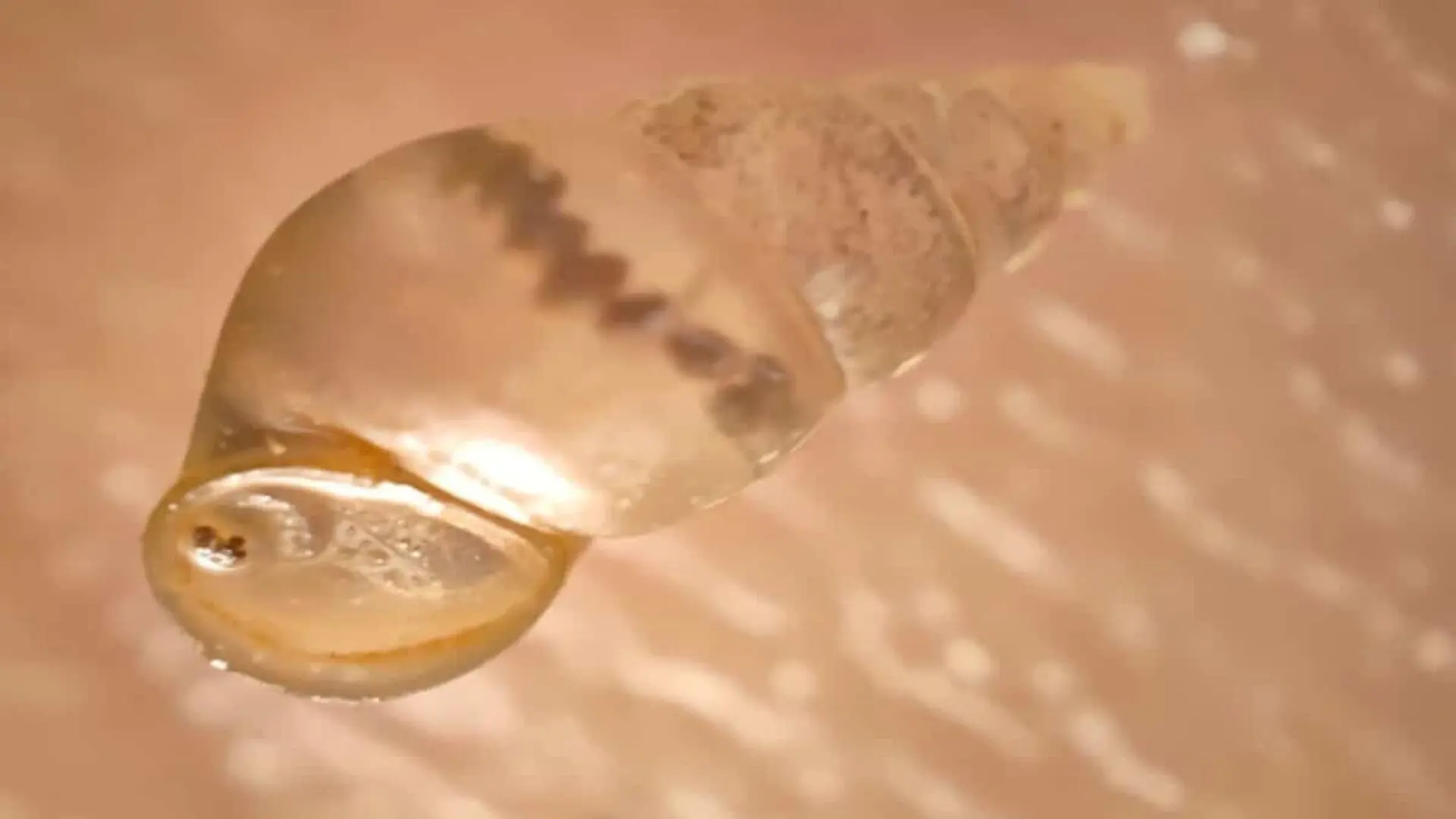
Researchers have identified a new species of freshwater snail that inhabits a remote karst cave in Yunnan, China, extending the known range of cave-dwelling mollusks in East Asia. The species, assigned to the family Erhaiidae, was described in the journal Subterranean Biology and represents the highest‑altitude record for an Erhaiidae cave dweller, with its habitat situated at 2,062 meters above sea level.
Blind Snail Thrives in Perpetual Darkness
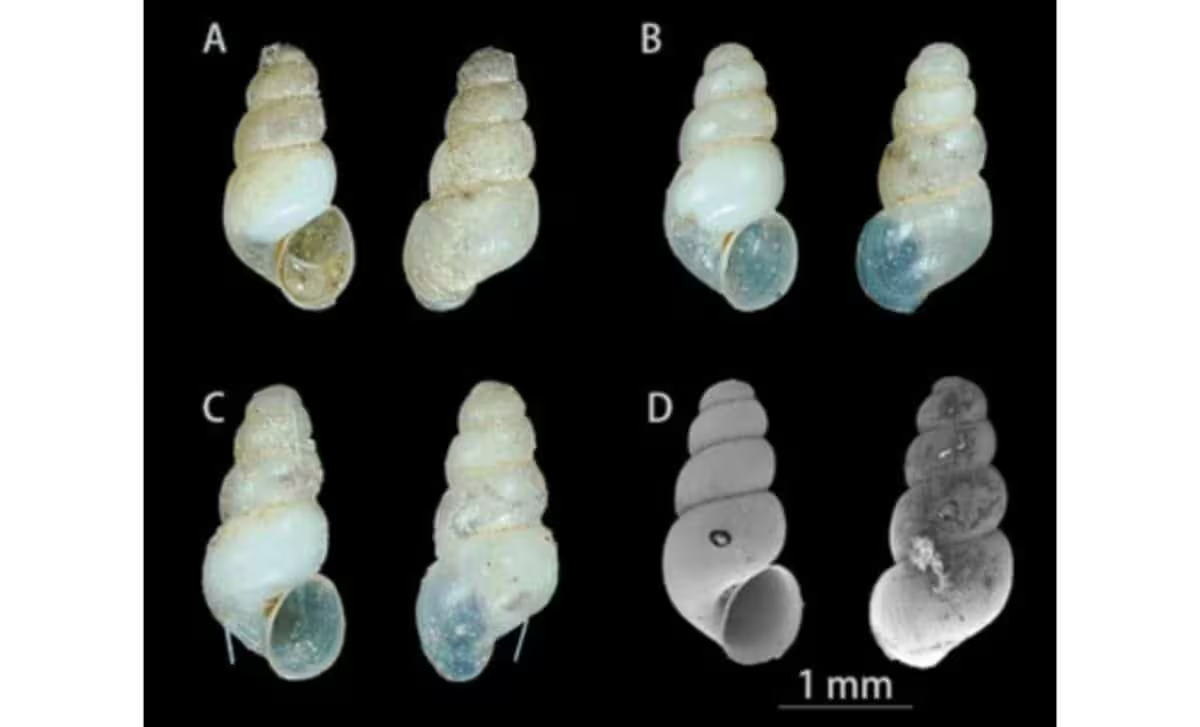
The newly named Erhaia dijiang is a diminutive snail bearing a thin, translucent, conical shell. The holotype measures 2.05 mm in length and 0.98 mm in width, while three paratypes range from 2.03 mm to 2.21 mm long. All examined specimens lack eyes and any associated ocular structures; their tentacles and mantle are also transparent and unpigmented, characteristics that led the authors to classify the animal as a troglobiont, a specialist of subterranean environments.
Laboratory tests confirmed the snail’s aversion to illumination; individuals consistently sought out dark crevices beneath rocks. Their diet consists of diatoms coating the rock surfaces, and they also accepted fish food offered by the researchers, a feeding pattern typical of organisms that have evolved in environments devoid of sunlight.
The species name honors the mythic creature Di Jiang from the ancient Chinese work Classic of Mountains and Seas, a reference to the snail’s eyeless condition and unusual appearance.
Mitochondrial DNA analysis of the cytochrome c oxidase subunit I (COI) gene placed Erhaia dijiang as a sister lineage to Erhaia daliensis, the type species of the genus. The uncorrected genetic p‑distance between the two taxa is 10.2 percent, supporting the assignment of the new snail to the genus Erhaia despite ongoing taxonomic uncertainties within the group, as noted in the study.
Isolated High-Altitude Cave Population
The snail’s known distribution is confined to the interior of the cave and the immediate zone surrounding its entrance. Within the cave, the snails occupy gravel and crushed‑stone substrates in water less than one meter deep, where temperatures hover around 20 °C. During the rainy season, brief bursts of water flow can transport a few individuals toward the cave outlet, yet surveys of nearby streams have failed to locate any additional specimens.
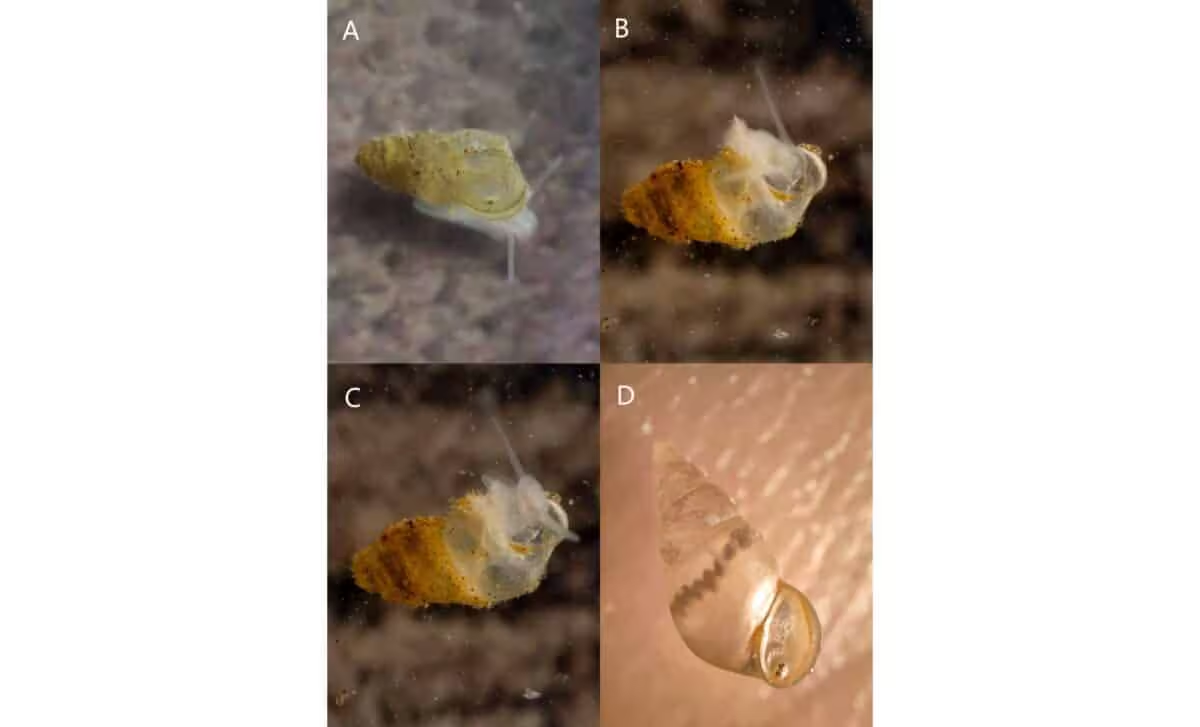
Only a handful of individuals were collected during fieldwork in August 2025: three live adults and a single empty shell, with no juveniles observed. The authors describe the conservation outlook for newly discovered mollusks in Yunnan as “far from optimistic” and urge protective measures for endemic cave fauna.
The limited sample size also constrained further anatomical investigation, prompting the researchers to call for expanded sampling across Yunnan’s karst systems. Broader surveys of freshwater cave snails throughout China are deemed essential, as the current knowledge of subterranean mollusks in East Asia remains sparse and the discovery of Erhaia dijiang underscores the hidden biodiversity that still awaits formal documentation.
This article has been fact checked for accuracy, with information verified against reputable sources. Learn more about us and our editorial process.
Last reviewed on .
Article history
- Latest version
Reference(s)
- He, Yue-Ming. “A new eyeless species in Erhaiidae (Gastropoda, Truncatelloidea) from a cave in Yuxi City, Yunnan, China.”, vol. 56, May 29, 2026, pp. 127-136. Pensoft Publishers, doi: PropertyValue. <https://subtbiol.pensoft.net/article/188075/>.
Cite this page:
- Posted by Elizabeth Taylor