Mystery Mushroom Linked To Lilliputian Hallucinations Holds New Brain-Altering Compound
Discover the Lilliputian mushroom mystery solved and its new hallucinogenic compound’s potential impact, as explained by a leading researcher.
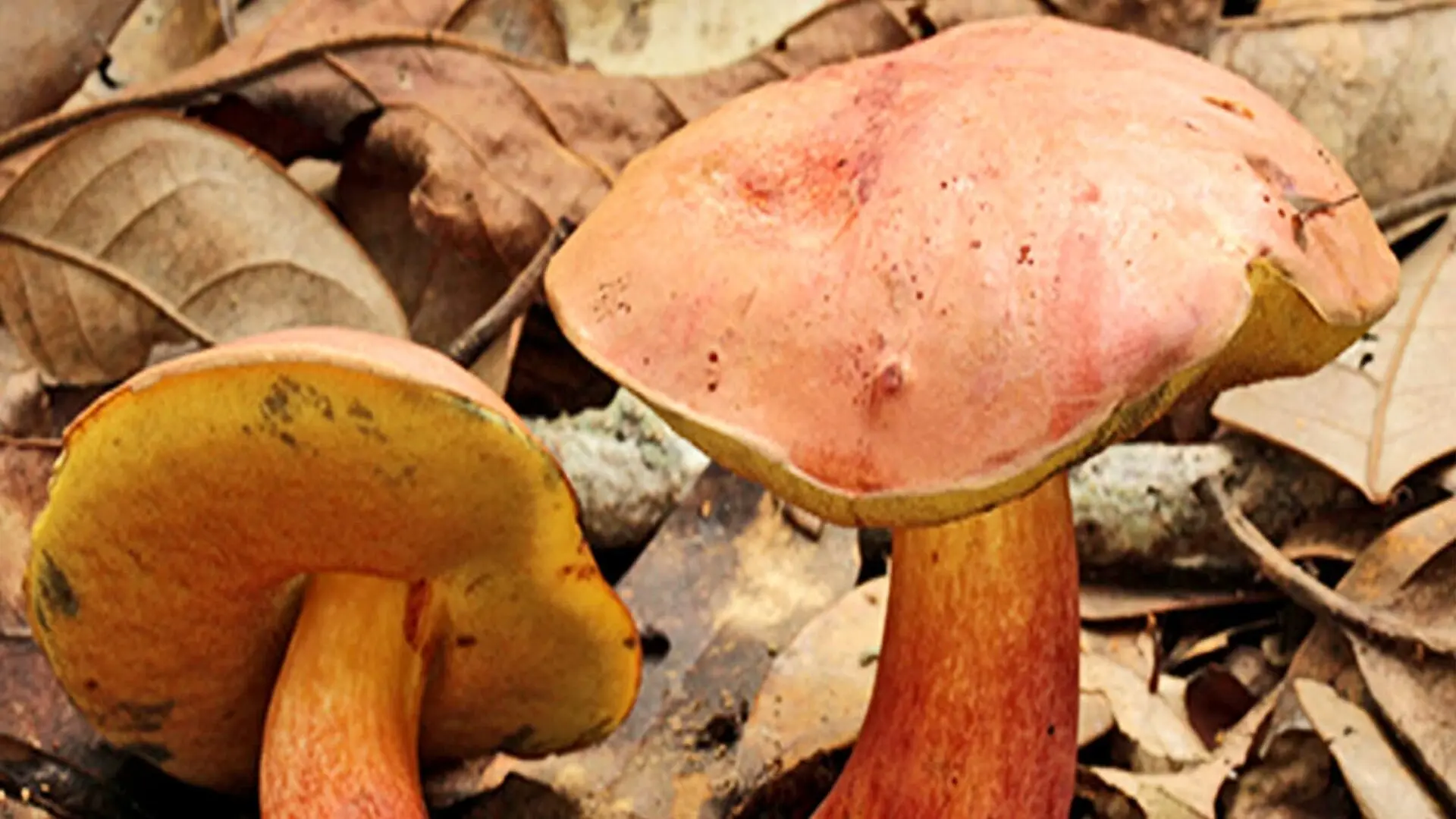
Rare Asian Mushroom Linked to “Tiny People” Hallucinations
Researchers have traced a long‑standing visual phenomenon—vivid sightings of miniature humans—to a single fungal species. Communities separated by thousands of kilometres have reported these Lilliputian visions after consuming an unidentified mushroom, a pattern now confirmed by genetic analysis.
DNA sequencing carried out by scientists at the University of Utah identified the culprit as Lanmaoa asiatica, a mushroom native to Southwest China and the northern Philippines. The study, authored by doctoral candidate Colin Domnauer and mycologist Bryn Dentinger, found that the fungus lacks any of the psychoactive molecules previously associated with hallucinogenic effects, such as psilocybin.
Instead, the team uncovered evidence of a previously unknown compound capable of altering perception. The discovery opens a potential pathway for research into brain function, neurological disorders, and the mechanisms that shape consciousness.
“The finding challenges the prevailing view that cultural narratives alone drive these reports,” Domnauer explained, noting that the new chemical agent may provide a biological basis for the strange experiences.
This article has been fact checked for accuracy, with information verified against reputable sources. Learn more about us and our editorial process.
Last reviewed on .
Article history
- Latest version
Cite this page:
- Posted by Elizabeth Taylor