Why Male Honey Bees Are Called Drones: The Surprising Genetics and Role Inside the Hive
Discover why male honey bees, called drones, develop from unfertilized eggs—a surprising twist that reshapes our view of hive biology.
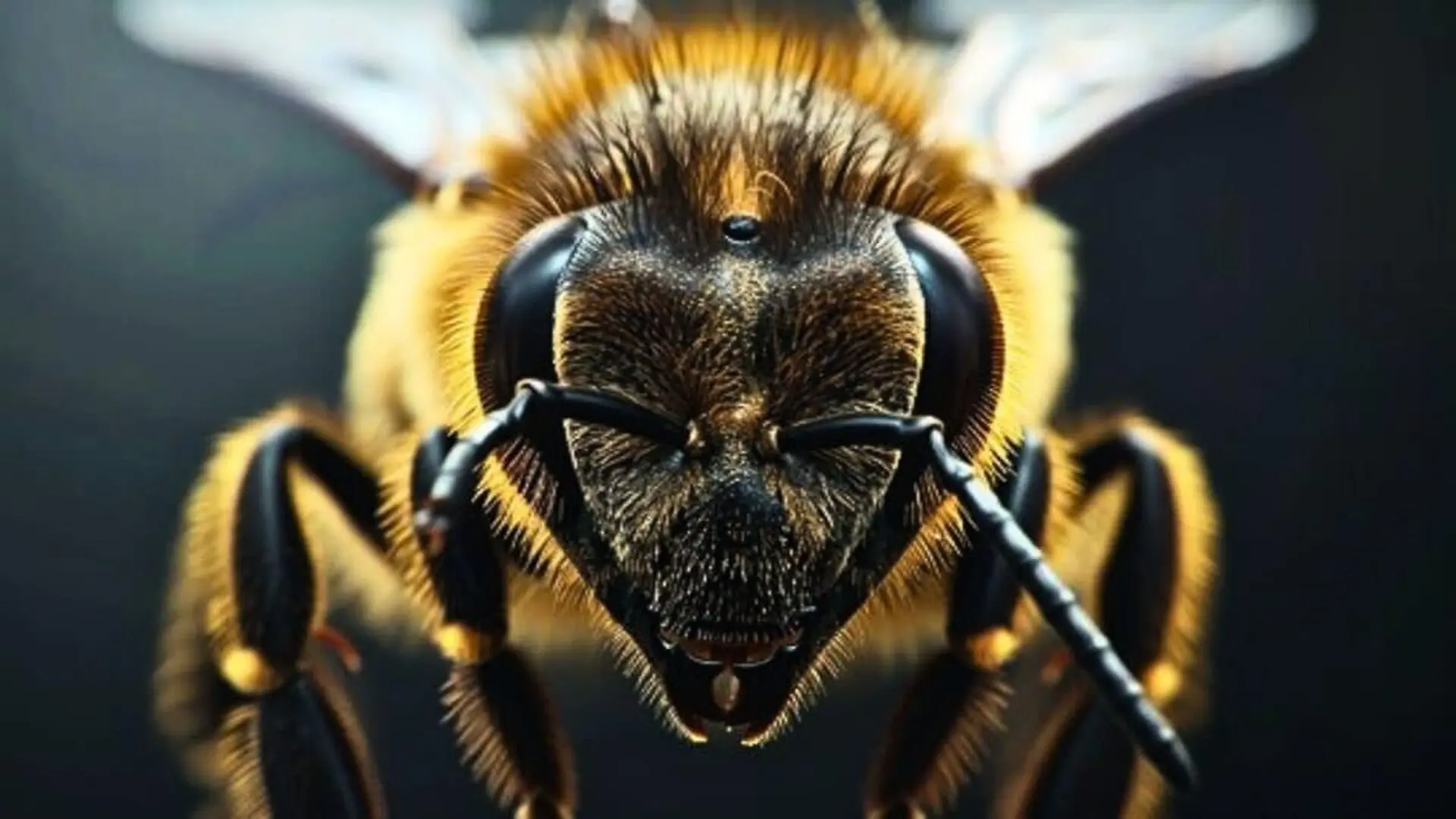
Within a honey bee colony, the male members—known as drones—serve a purpose that is starkly different from that of their female counterparts. Rather than foraging, building comb, or caring for brood, drones exist solely to mate with queens, ensuring the continuation of the colony’s genetic line.
Drones are easy to spot inside the hive because of their noticeably larger eyes, a trait that sets them apart from the worker bees.
Origins of Drones: Unfertilized Eggs and Haploidy
The developmental pathway of a drone begins before it even hatches. According to Penn State’s Honey Bee Genetics Basics, drones are haploid, possessing a single set of chromosomes—16 in total—derived exclusively from the queen because they develop from unfertilized eggs.
In contrast, fertilized eggs receive genetic contributions from both the queen and a male, giving rise to female workers and queens. This mechanism allows the queen to dictate the sex of each offspring by choosing whether to fertilize an egg.

The Exclusive Reproductive Mission of Drones
Drones do not participate in the routine tasks that sustain the hive. Their sole responsibility is to seek out unmated queens during the spring, congregate at designated flight areas, and engage in mating flights. After copulating, a drone typically dies, having fulfilled its reproductive role.
Worker bees, by comparison, are female and progress through a series of duties—from brood care to foraging—that support colony health. All workers are direct daughters of the queen.

Queen’s Control Over Egg Fertilization
A healthy queen can lay more than 1,000 eggs each day, using stored sperm to fertilize eggs that become female workers or queens, or leaving eggs unfertilized to produce male drones. This flexibility underpins the colony’s ability to balance its workforce and reproductive output.
The genetic relationships within the hive reflect this system. Drones share only a maternal lineage, while workers and queens inherit genetic material from both parents, creating a complex web of relatedness.

In summary, the honey bee colony is organized into distinct castes: the queen and her female workers handle all colony maintenance, while drones exist solely to ensure the propagation of the species through mating.
This article has been fact checked for accuracy, with information verified against reputable sources. Learn more about us and our editorial process.
Last reviewed on .
Article history
- Latest version
Reference(s)
- Ph.D., Robyn. “Honey Bee Genetics Basics.” <https://extension.psu.edu/honey-bee-genetics-basics>.
- “Haplodiploidy.” <https://extension.psu.edu/media/wysiwyg/extensions/catalog_product/9aa8232654a241f1ac25aa399e733702/h/a/haplodiploidy.png>.
- “Honey Bee Spermatogenesis.” <https://extension.psu.edu/media/wysiwyg/extensions/catalog_product/c07e76f79be94fc6bea8b31aa474f925/h/o/honey-bee-spermatogenesis.png>.
- “Relatedness In A Honey Bee Colony.” <https://extension.psu.edu/media/wysiwyg/extensions/catalog_product/0a219a95b6014d8caf9f6907aa80f68f/r/e/relatedness-in-a-honey-bee-colony.png>.
Cite this page:
- Posted by Elizabeth Taylor