The Secret Antibodies That May Shield People From Cancer Revealed by ATLAS
Scientists will search for protective antibodies in centenarians, heavy drinkers and smokers who never developed cancer, seeking clues to cancer resistance.
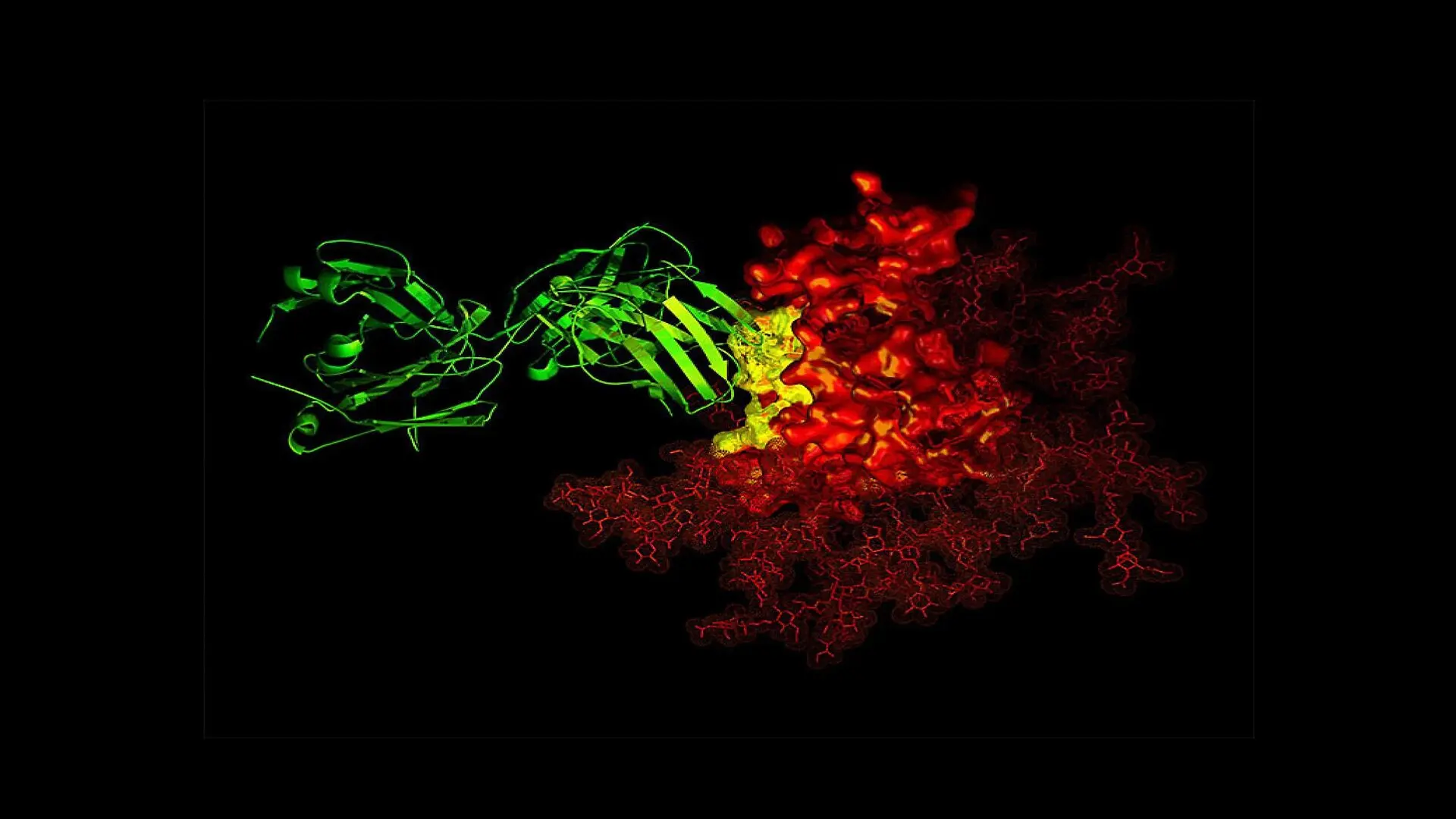
Scientists are launching an ambitious effort to map the full spectrum of antibodies circulating in the blood of people who have defied cancer, even when faced with high‑risk genetic profiles or lifelong exposure to tobacco and alcohol. By profiling these immune proteins, the ATLAS project hopes to uncover hidden mechanisms that protect some individuals from developing malignancies and to translate those insights into novel diagnostic tools and treatments.
Centenarians, Heavy Smokers and Genetic Outliers Under the Microscope
Among the first groups slated for study are individuals who have lived past 100 years, such as the famously long‑lived Jeanne Calment, who reached 122 years while smoking for nearly a century yet never developing cancer. The project will also examine people who have avoided cancer despite carrying high‑risk mutations like BRCA1/2, and those who have persisted in heavy drinking or smoking without a diagnosis. Identical twins discordant for cancer will provide a unique window into how nearly identical genomes can yield divergent disease outcomes.
Autoantibodies: Double‑Edged Swords of the Immune System
Autoantibodies are immune proteins that mistakenly recognize the body’s own cells and molecules. While they are best known for driving autoimmune conditions, recent work shows they can also modulate responses to infections and possibly to tumors. For example, autoantibodies that neutralize cytokines were linked to roughly 20 percent of COVID‑19 fatalities, and similar patterns have emerged in other severe viral illnesses.
Researchers have begun to detect autoantibodies that bind cancer‑related proteins, suggesting they could serve as early warning signals. Yet it remains unclear whether such antibodies merely record past immune events or actively influence tumor growth.
Building a Comprehensive Cancer Antibody Atlas
ATLAS will begin by scanning blood samples for both conventional antibodies and autoantibodies, cataloguing any that directly target cancer cells. All findings will be integrated into a publicly accessible cancer antibody atlas, providing a resource for investigators worldwide to explore how distinct antibody signatures correlate with cancer susceptibility or resistance.
In parallel, the study will follow patients undergoing immunotherapy, capturing antibody dynamics before, during, and after treatment. This longitudinal approach aims to reveal how therapeutic interventions reshape the antibody landscape.
Potential Clinical Payoffs
If certain autoantibodies are found to suppress anti‑tumor immunity, they could become targets for therapeutic “decoy” antibodies designed to neutralize their effect. Conversely, autoantibodies that enhance the immune system’s ability to recognize cancer cells might be harnessed as adjuncts to existing immunotherapies, such as checkpoint inhibitors, which currently benefit only a minority of patients.
Even antibodies that appear neutral could prove valuable as inexpensive biomarkers for early cancer detection, treatment monitoring, or relapse prediction, leveraging the speed and affordability of standard antibody assays.
From Correlation to Causation
To determine whether specific antibodies play an active role in cancer biology, the team will test promising candidates in cultured human cells and animal models. These experiments could expose previously unknown pathways linking immune surveillance to tumor development.
“We should be able to come up with a biomarker to predict who is likely to avoid cancer, and who is likely to develop cancer,” said ATLAS researcher Xin Lu of the University of Oxford. “Potentially we could come up with therapeutic, preventative agents that are antibody‑based. And that would be fantastic.”
This article has been fact checked for accuracy, with information verified against reputable sources. Learn more about us and our editorial process.
Last reviewed on .
Article history
- Latest version
Reference(s)
- projects, Contributors. “French supercentenarian, person with the longest confirmed lifespan (1875–1997).”, September 24, 2003 Wikimedia Foundation, Inc. <https://en.wikipedia.org/wiki/Jeanne_Calment>.
- Bastard, Paul., et al. “Autoantibodies against type I IFNs in patients with life-threatening COVID-19.” Science, vol. 370, no. 6515, October 23, 2020 American Association for the Advancement of Science (AAAS), doi: 10.1126/science.abd4585. <https://www.science.org/doi/10.1126/science.abd4585>.
- “The Cancer Antibody Atlas.” <https://www.caatlas.com/>.
Cite this page:
- Posted by Elizabeth Taylor