Ghost Ancestors Reveal Two Unknown Human Lineages Inside Our DNA
New genetic analysis of ancient DNA uncovers a surprising chapter in human history, revealing secrets hidden for tens of thousands of years.
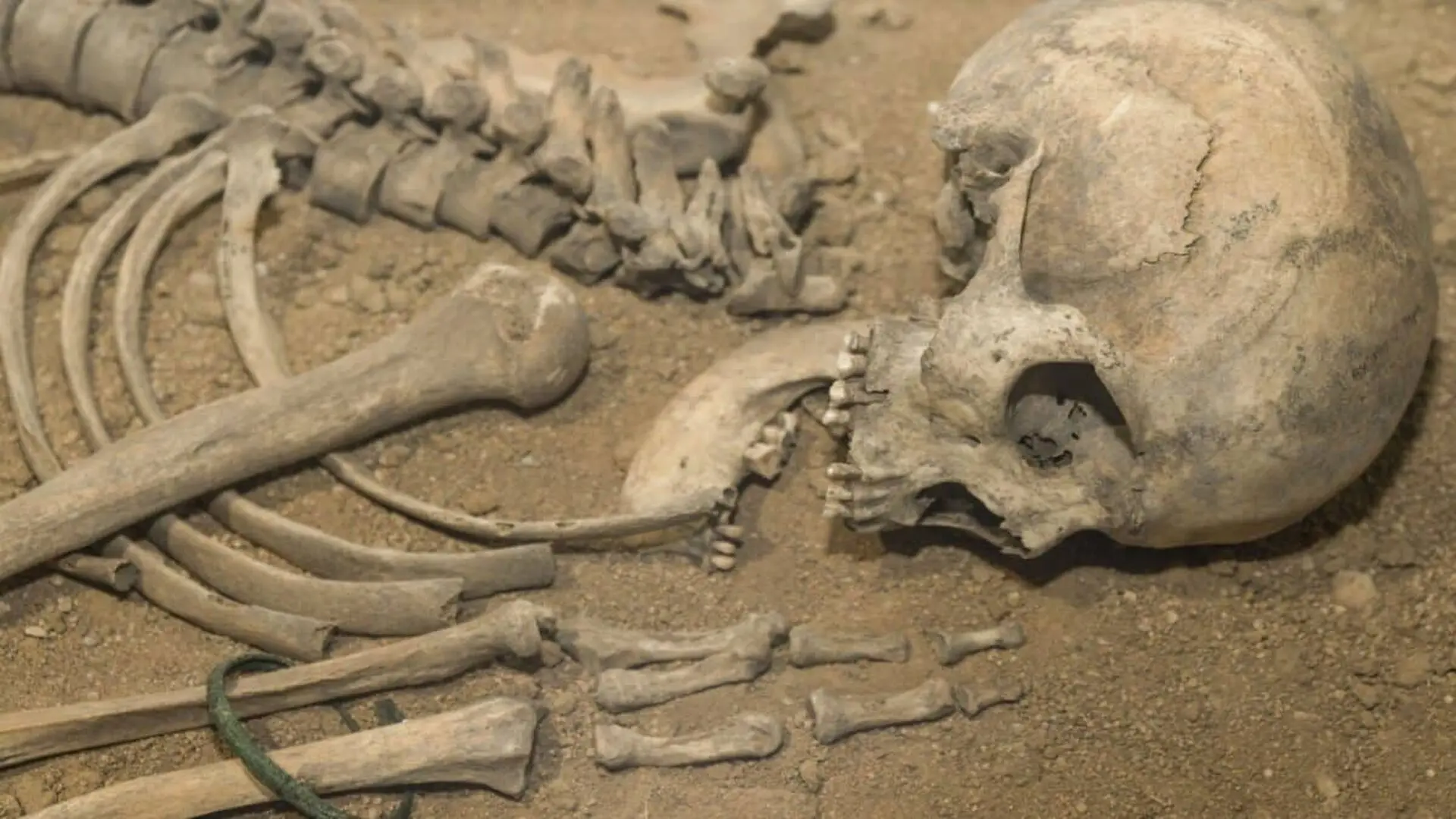
Modern humans still carry DNA from two previously unknown extinct human lineages, according to a new study from the University of California, Berkeley. The findings suggest our evolutionary history was shaped by far more encounters between different human groups than scientists had previously been able to document.
For years, discoveries involving Neanderthals and Denisovans have changed the way scientists think about human evolution. Instead of a simple family tree, the picture has gradually become much more complex, with different human populations crossing paths and having children together over long periods of time.
Now, researchers have uncovered evidence of two additional extinct lineages that left their mark on the genomes of people alive today. According to the University of California, Berkeley, the study, published on July 30 in Science, identified these ancient genetic traces without relying on fossil DNA.
A Hidden Ancestor Detected in All Modern Populations
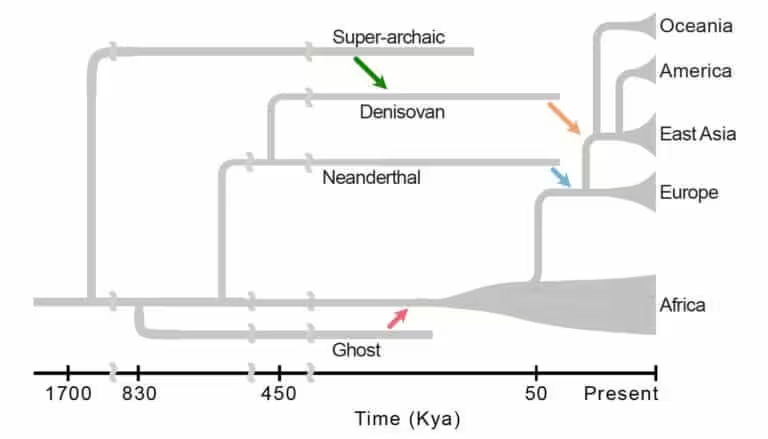
The first newly identified lineage is described as a ghost ancestor. Genetic modeling indicates that this group interbred with Homo sapiens in Africa more than 50,000 years ago, predating the major out‑of‑Africa expansion.
Analyses suggest that DNA from the unknown population accounts for roughly 0.5% to 1% of the genome of contemporary individuals. The lineage appears to have split from the ancestors of modern humans around 800,000 years ago, a period that coincides with the early divergence of Neanderthals and Denisovans.
The study published in Science reported that this ghost ancestry is detectable in both African and non‑African groups, confirming that the admixture occurred before the widespread migration out of Africa.
Graduate student Yulin Zhang, one of the paper’s first authors, noted that earlier work hinted at unknown archaic ancestry, but this analysis pinpointed the exact fragments and demonstrated their widespread presence across human groups.
Innovative Genomic Tool Reveals Deep Ancestry
The breakthrough relies on a technique the Berkeley team calls TRACE—short for TRacking Archaic Contributions via ARG Estimation. Rather than comparing modern DNA to ancient fossil genomes, TRACE reconstructs the genealogical history of DNA segments found in living people.
The University of California, Berkeley explained that the method builds detailed ancestral recombination graphs, enabling researchers to locate DNA pieces whose origins extend far beyond conventional expectations.
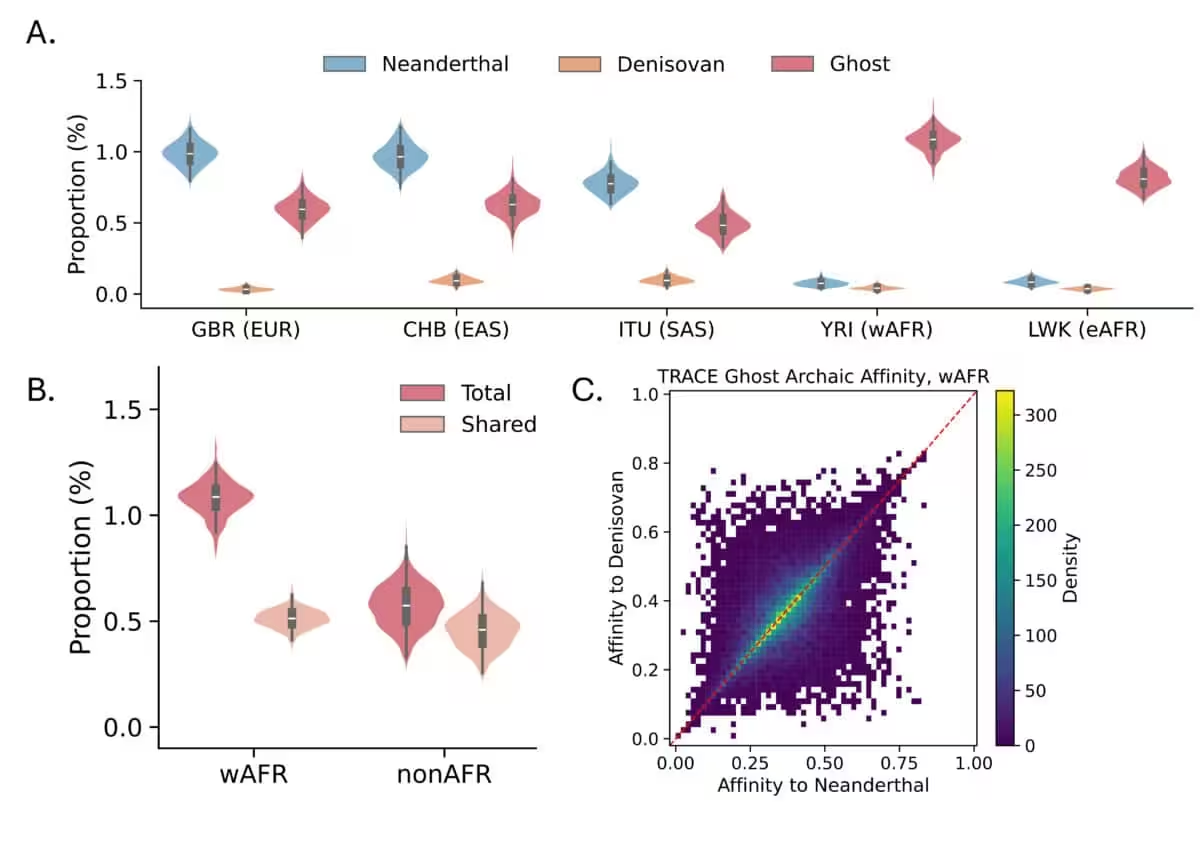
TRACE successfully recovered established Neanderthal segments and identified Denisovan contributions in Asian and Oceanian populations. Simultaneously, it uncovered numerous ancient fragments that matched neither known group, pointing to previously uncharacterized hominin relatives. Senior author Priya Moorjani emphasized that these genealogies preserve a record of our evolutionary past, allowing detection of extinct lineages even when no ancient DNA has ever been recovered.
“We often think of human evolution as a branching tree, but new genomic data and analytical methods reveal a much more interconnected history, more like a complex web of populations connected by repeated episodes of migration and mixing,” he said.
An Ultra‑Ancient Lineage Linked to Denisovans
The researchers also documented a second, far older population they label a super‑archaic lineage. This branch dates to roughly 1.8 million years ago and appears to have interbred with Denisovans in Eurasia more than 200,000 years ago. Subsequent mixing with Homo sapiens transmitted a modest amount of this deep ancestry into modern genomes.
The signal is strongest among Oceanian groups, where Denisovan ancestry can reach 4% of the genome. Denisovan genomes themselves carry an estimated 3% to 5% super‑archaic contribution, although only a fraction of that material has been inherited by present‑day humans.
“TRACE allowed us to contextualize how the ancestry segments from these previously uncharacterized hominins are distributed throughout the human genome,” Arjun Biddanda, who co‑led the study as a first author, said. “We found that these contributions are widespread throughout the genome, and ghost ancestry is detected even in regions previously thought to be intolerant of Neanderthal and Denisovan ancestry.”
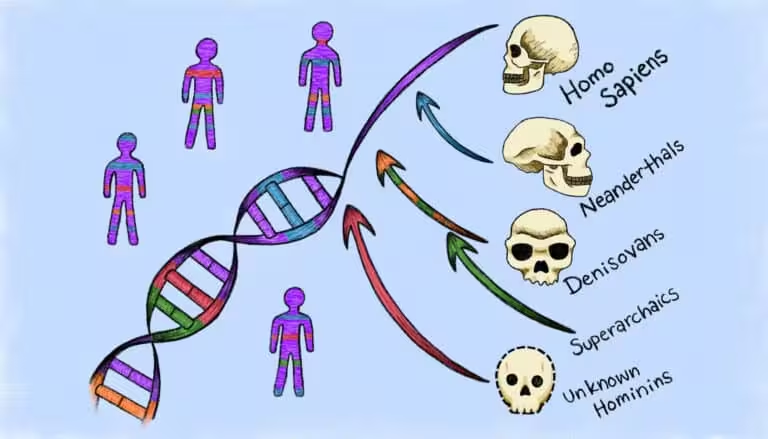
The authors also observed that many of the ancient DNA segments reside in genomic regions tied to immune function and metabolism. The university’s release suggested that these inherited variants may have furnished early humans with advantageous genetic diversity as they adapted to new environments, confronted pathogens, and exploited novel food sources, leaving a lasting imprint on today’s DNA.
This article has been fact checked for accuracy, with information verified against reputable sources. Learn more about us and our editorial process.
Last reviewed on .
Article history
- Latest version
Reference(s)
- Zhang, Yulin., et al. “Recovering signatures of archaic hominin introgression using ancestral recombination graphs.” Science, July 30, 2026 American Association for the Advancement of Science (AAAS), doi: 10.1126/science.aef8874. <https://www.science.org/doi/10.1126/science.aef8874>.
- Sanders, Robert. “New technique pinpoints human DNA inherited from ‘ghost’ ancestors.”, July 30, 2026 Berkeley News <https://news.berkeley.edu/2026/07/30/new-technique-pinpoints-human-dna-inherited-from-ghost-ancestors/>.
- “Priya Moorjani | Research UC Berkeley.” <https://vcresearch.berkeley.edu/faculty/priya-moorjani>.
Cite this page:
- Posted by Elizabeth Taylor