Lost Himalayan Population Uncovered: DNA Shows Ancient Mix of Indian and Tibetan Ancestry
DNA from 10 bodies reveals a previously unknown ancient population in Ladakh’s Old Lady Spider Cave, dating back 1,500 years at 4,000 m altitude.
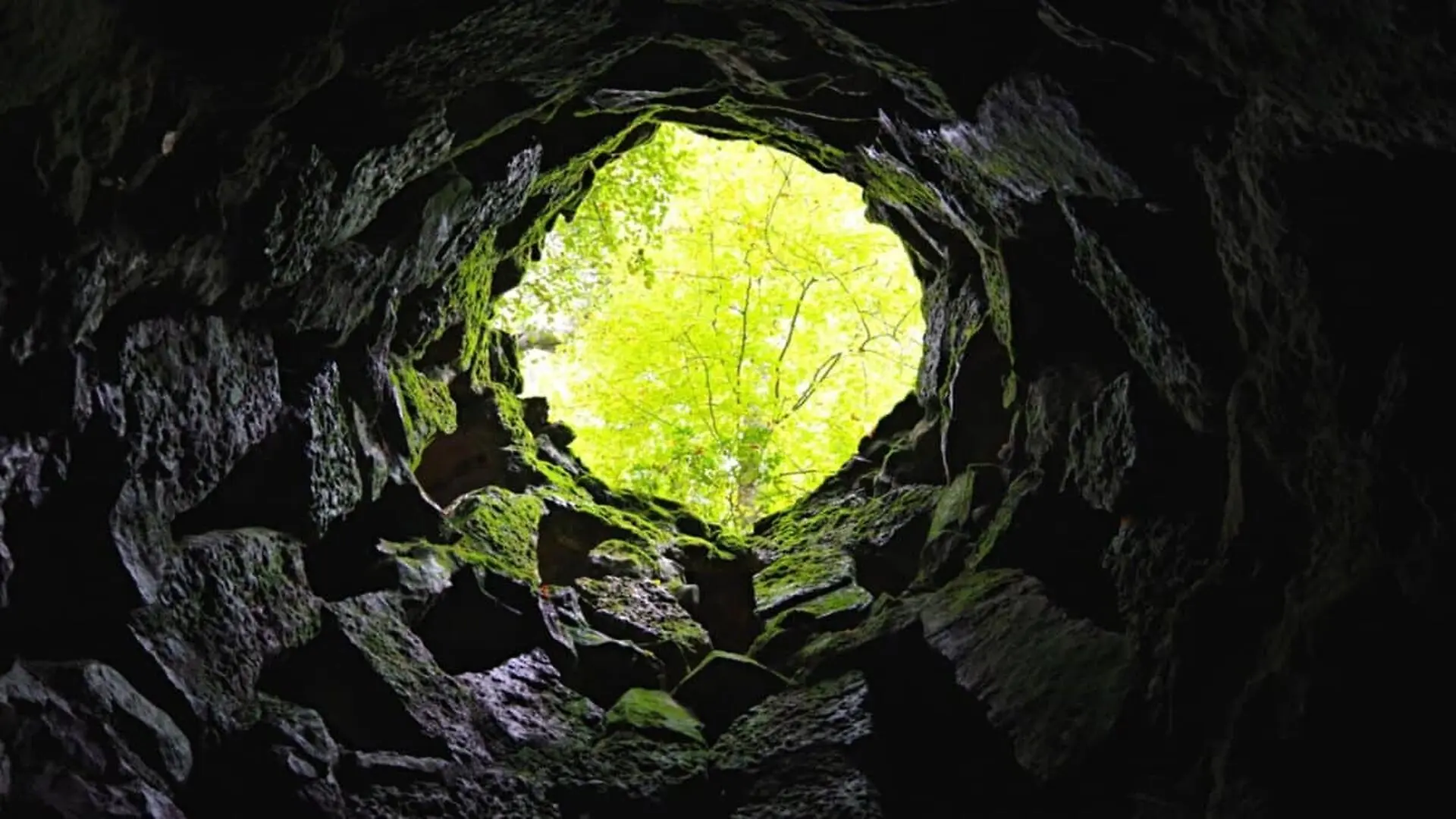
New genetic data from a sparsely studied part of the Himalayas shed light on how ancient peoples moved across the high‑altitude landscape. The study, appearing in Science Advances, shows that the individuals examined carried almost equal genomic input from groups linked to today’s North Indian populations and from ancient Tibetan lineages, highlighting a previously unknown corridor of interaction across Asia’s lofty terrains.
Genomic Survey Reveals a Dual Heritage in Himalayan Remains
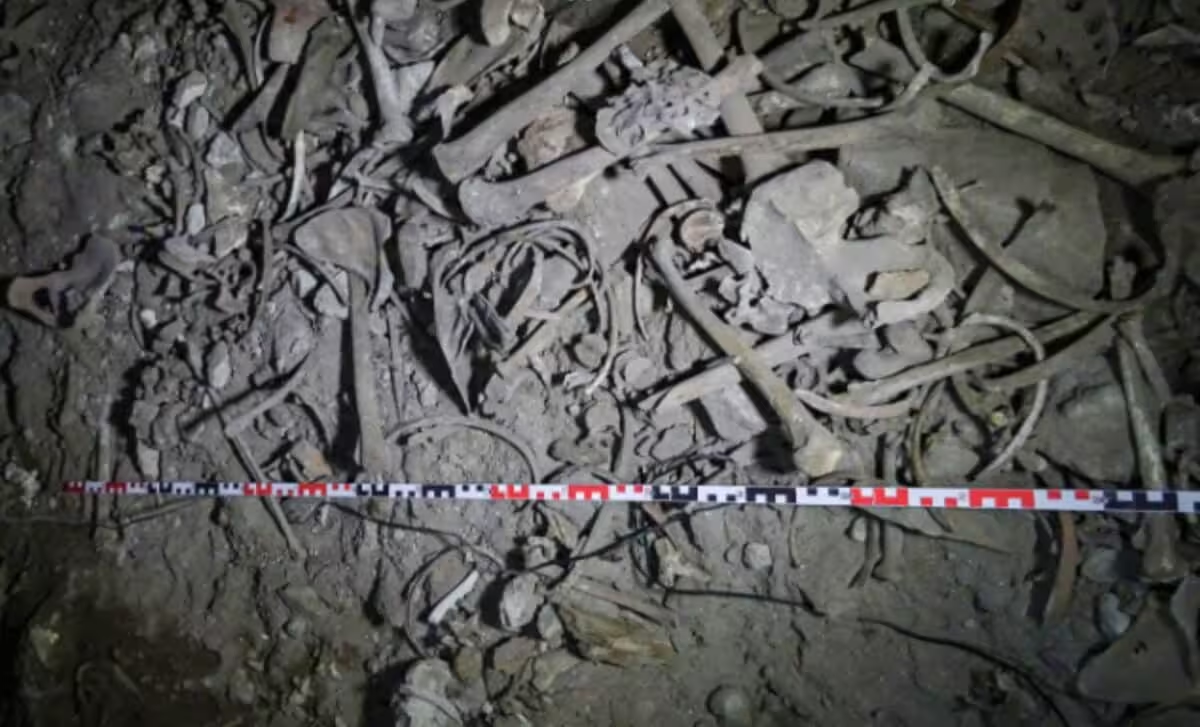
Archaeologists retrieved skeletal material from the Old Lady Spider Cave in 2021, a site perched at a historic crossroads where trade routes once linked South Asia, Tibet, and Central Asia. This setting offered a natural meeting point for diverse groups over centuries.
After establishing the burial date through radiocarbon dating, the team extracted DNA from bone and soft‑tissue samples. They then matched the ancient genomes against a reference panel comprising thousands of modern and prehistoric individuals to pinpoint genetic affinities.
The cave occupants displayed a distinctive genetic signature: roughly half of their ancestry aligned with populations resembling current North Indians, while the remaining portion matched ancient Tibetan gene pools.
Using statistical modeling of DNA segment lengths, the researchers inferred the timing of the admixture. As interbreeding proceeds, inherited fragments shrink; measuring this decay allowed the team to estimate that the initial blending began about 2,800 years ago—approximately 1,300 years before the individuals interred in the cave. The authors stress that this timing does not pinpoint the exact location of the original contact event.
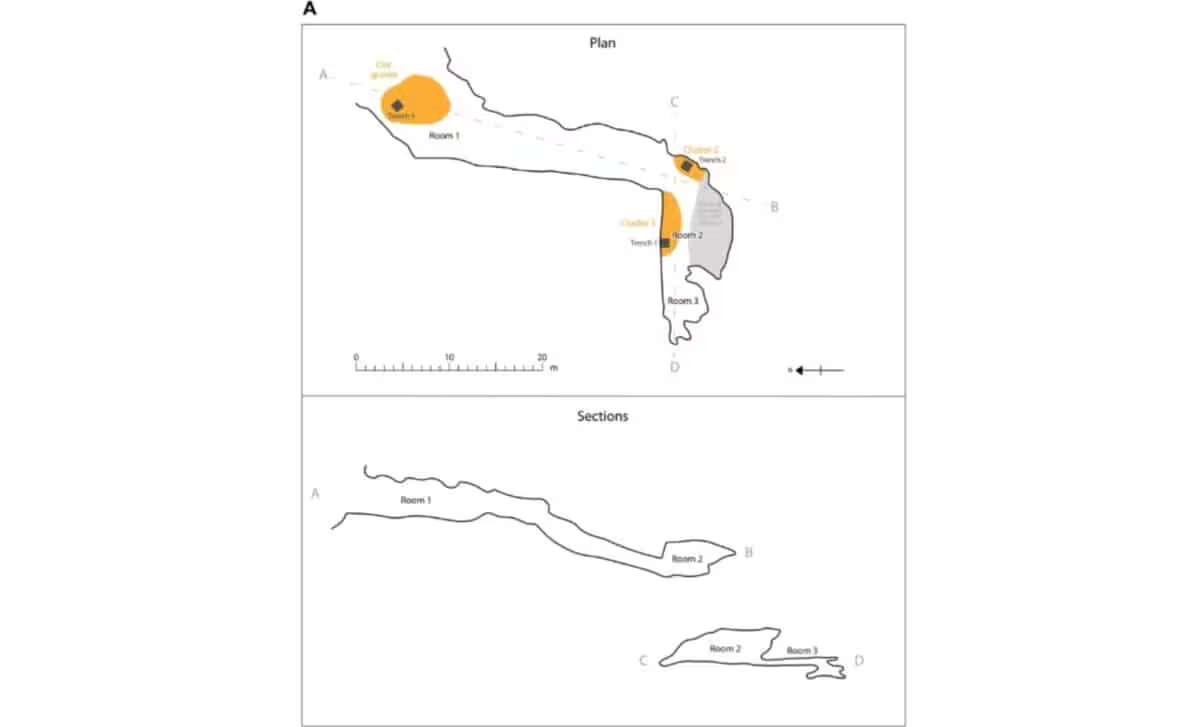
The analysis confirms the presence of a previously undocumented population in the region, yet many aspects of their everyday life, mobility patterns, and social structures remain elusive.
Echoes of the Ancient Mix in Today’s Mountain Dwellers
Although this group no longer exists as a separate entity, its genetic imprint persists in contemporary Himalayan peoples. The authors note that modern Ladakhi communities such as the Minero and Balti retain portions of this ancestral blend, as documented in the original paper.
The discovery adds nuance to ongoing investigations into how humans have adapted to high‑altitude environments. Earlier work identified a variant of the EPAS1 gene—derived partly from Denisovan ancestry—that underpins Tibetan adaptation to low‑oxygen conditions, as reported in a 2014 Nature study.
While the new Ladakh data emphasize demographic history rather than physiological adaptation, they reinforce the idea that migratory pathways linking India, Tibet, and Central Asia forged lasting genetic bridges still detectable in modern populations.
The researchers stress that the ancient Himalayan community did not vanish without a trace; its genetic legacy continues to shape the ancestry of present‑day mountain peoples.
This article has been fact checked for accuracy, with information verified against reputable sources. Learn more about us and our editorial process.
Last reviewed on .
Article history
- Latest version
Reference(s)
- Patterson, Nick., et al. “Ancient genomes from Ladakh reveal 2800-year-old admixture between Tibetans and South Asians.” Science Advances, vol. 12, no. 30, July 24, 2026 American Association for the Advancement of Science (AAAS), doi: 10.1126/sciadv.aeb3636. <https://www.science.org/doi/10.1126/sciadv.aeb3636>.
- Huerta-Sánchez, Emilia. “Altitude adaptation in Tibetans caused by introgression of Denisovan-like DNA - Nature.”, vol. 512, no. 7513, pp. 194-197. Nature, doi: 10.1038/nature13408. <https://www.nature.com/articles/nature13408>.
Cite this page:
- Posted by Elizabeth Taylor