1500-Year-Old DNA Reveals Lost Himalayan Population With Half South Asian, Half Tibetan Roots
Scientists explore a high‑altitude Himalayan cave preserving mysterious ancient traces to uncover the lives of its forgotten inhabitants.
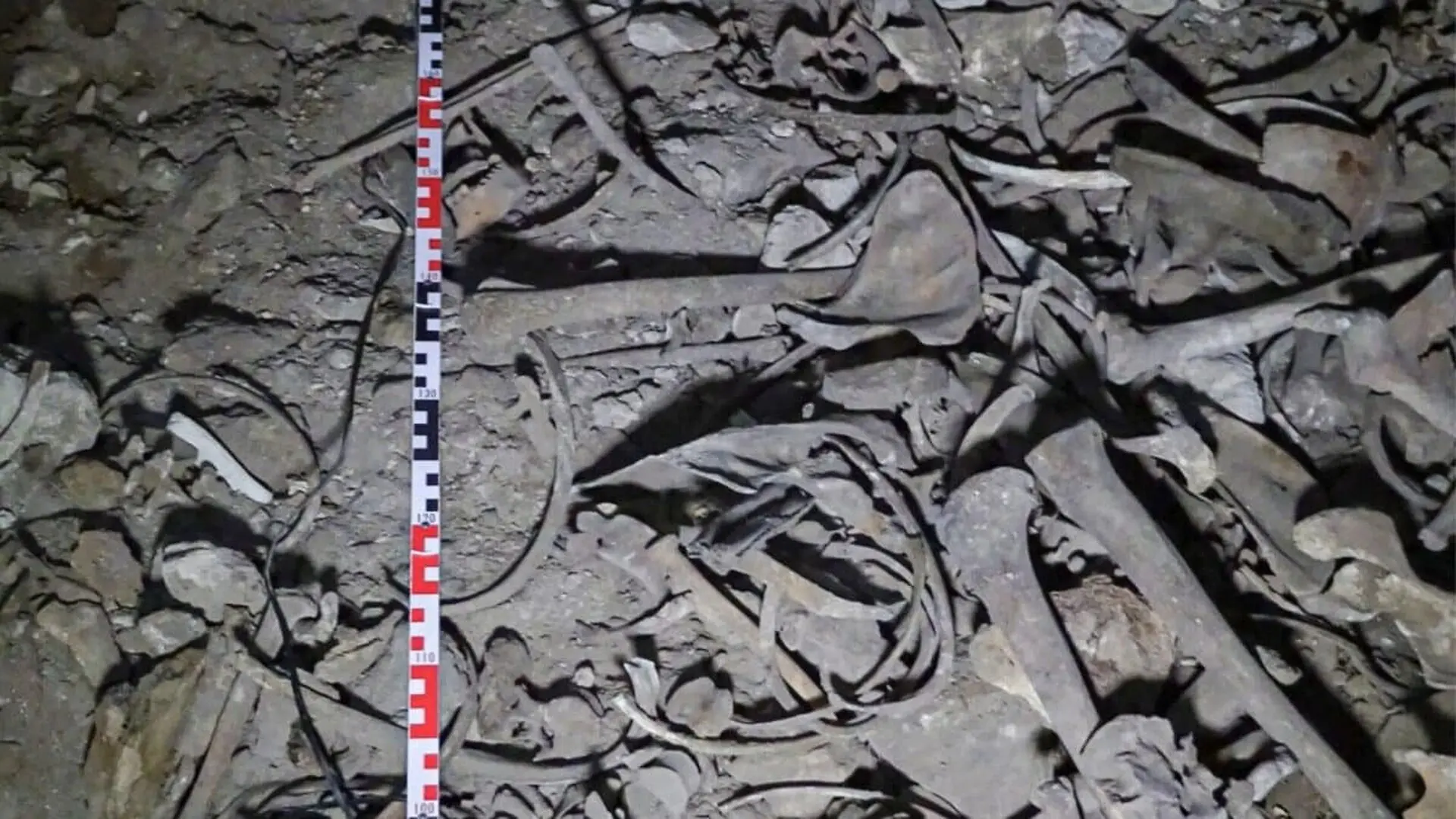
A team of researchers has identified a previously unknown group that inhabited the high Himalayas of Ladakh roughly 1,500 years ago. Genetic material recovered from skeletal remains in the Old Lady Spider Cave reveals an unusual blend of South Asian and Tibetan lineages, shedding new light on the patterns of human movement across the mountain corridor.
The remains examined belong to ten individuals uncovered during a 2021 excavation at an altitude of about 4,000 meters (13,100 feet). Ladakh’s position along historic trade routes has long linked South Asia, Tibet, and Central Asia, making it a strategic point for cultural exchange.
Hidden Himalayan Lineage Unearthed Through Genomic Analysis
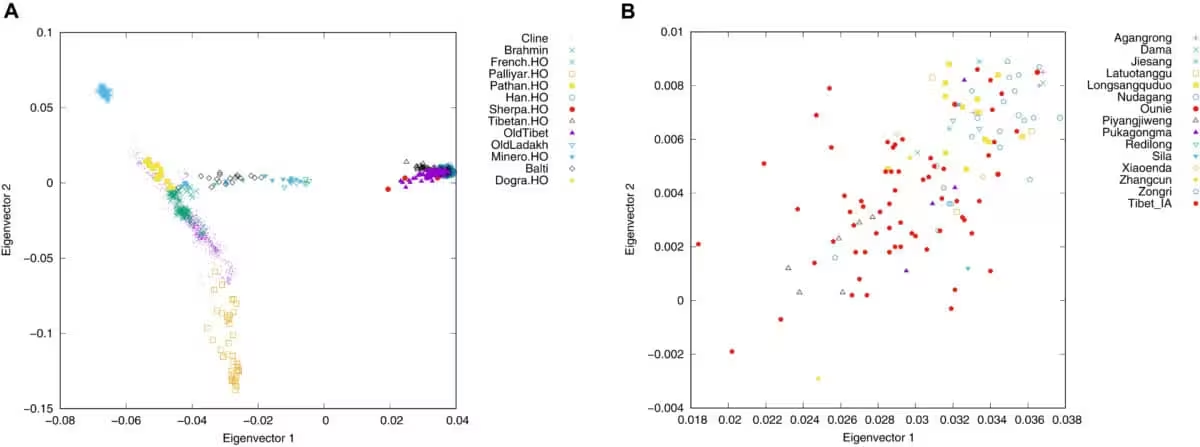
To determine the age of the bones, the scientists first applied radiocarbon dating. They then isolated DNA from the bones and associated tissue, comparing the sequences against a vast catalog of ancient and contemporary human genomes. The study uncovered a striking genetic profile: roughly half of the ancestry aligns with groups related to present‑day northern India, while the remaining half connects to ancient Tibetan populations.

These findings suggest that the individuals were part of a broader network of migrations rather than an isolated community confined to the high peaks.
Timing the Fusion of South Asian and Tibetan Lineages
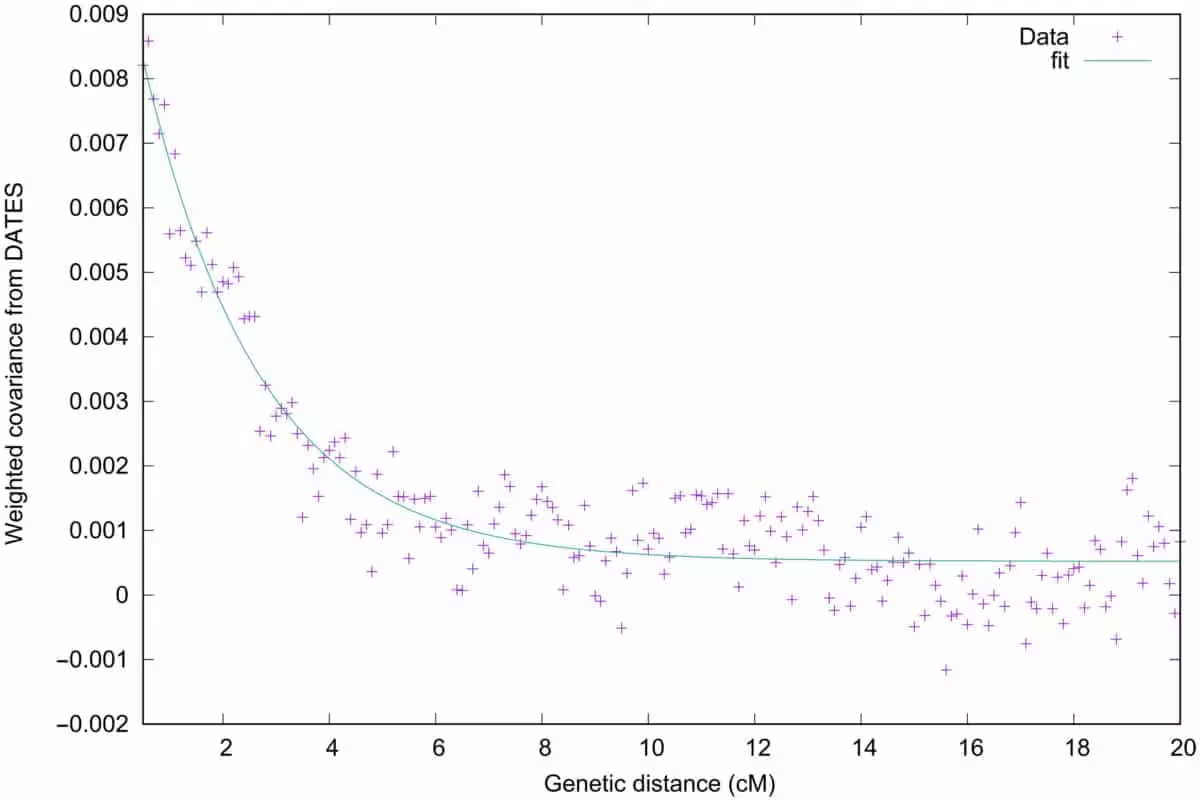
The researchers also examined the length of DNA fragments inherited from each ancestral source. As generations pass, mixed DNA breaks down into progressively shorter segments, allowing scientists to infer the period when two groups first interbred. Their calculations indicate that the South Asian‑related and Tibetan‑related ancestries began to merge around 2,800 years ago, predating the burial of the cave occupants by roughly 1,300 years.
The authors caution that the genetic signal does not pinpoint Ladakh as the exact locale of the initial mixing event; instead, it marks the earliest moment the two ancestries began to exchange genetic material, which later manifested in the cave population.
Modern Echoes of an Ancient Community
Beyond the skeletal evidence, the study reveals that descendants of this ancient group persist in contemporary Himalayan societies. Genetic comparisons link the Old Lady Spider Cave individuals to present‑day Ladakhi communities such as the Minero and Balti, indicating that a portion of their ancestry endures.
“This implies genetic drift shared between these groups and the Old Ladakh individuals, as expected for flow of Old Ladakh–related people into the ancestors of these groups. Thus, the Old Ladakh population did not completely disappear and instead left a legacy in present‑day people,” the authors stated.
This article has been fact checked for accuracy, with information verified against reputable sources. Learn more about us and our editorial process.
Last reviewed on .
Article history
- Latest version
Reference(s)
- Patterson, Nick., et al. “Ancient genomes from Ladakh reveal 2800-year-old admixture between Tibetans and South Asians.” Science Advances, vol. 12, no. 30, July 24, 2026 American Association for the Advancement of Science (AAAS), doi: 10.1126/sciadv.aeb3636. <https://www.science.org/doi/10.1126/sciadv.aeb3636>.
Cite this page:
- Posted by Elizabeth Taylor