Tiny Deep‑Sea Predator Found at 8,000 Metres Thriving in Near‑Impossible Pressure
Scientists find a new deep‑sea predator in a remote trench where pressure hits 790 times surface level, unveiling oceanic mysteries.
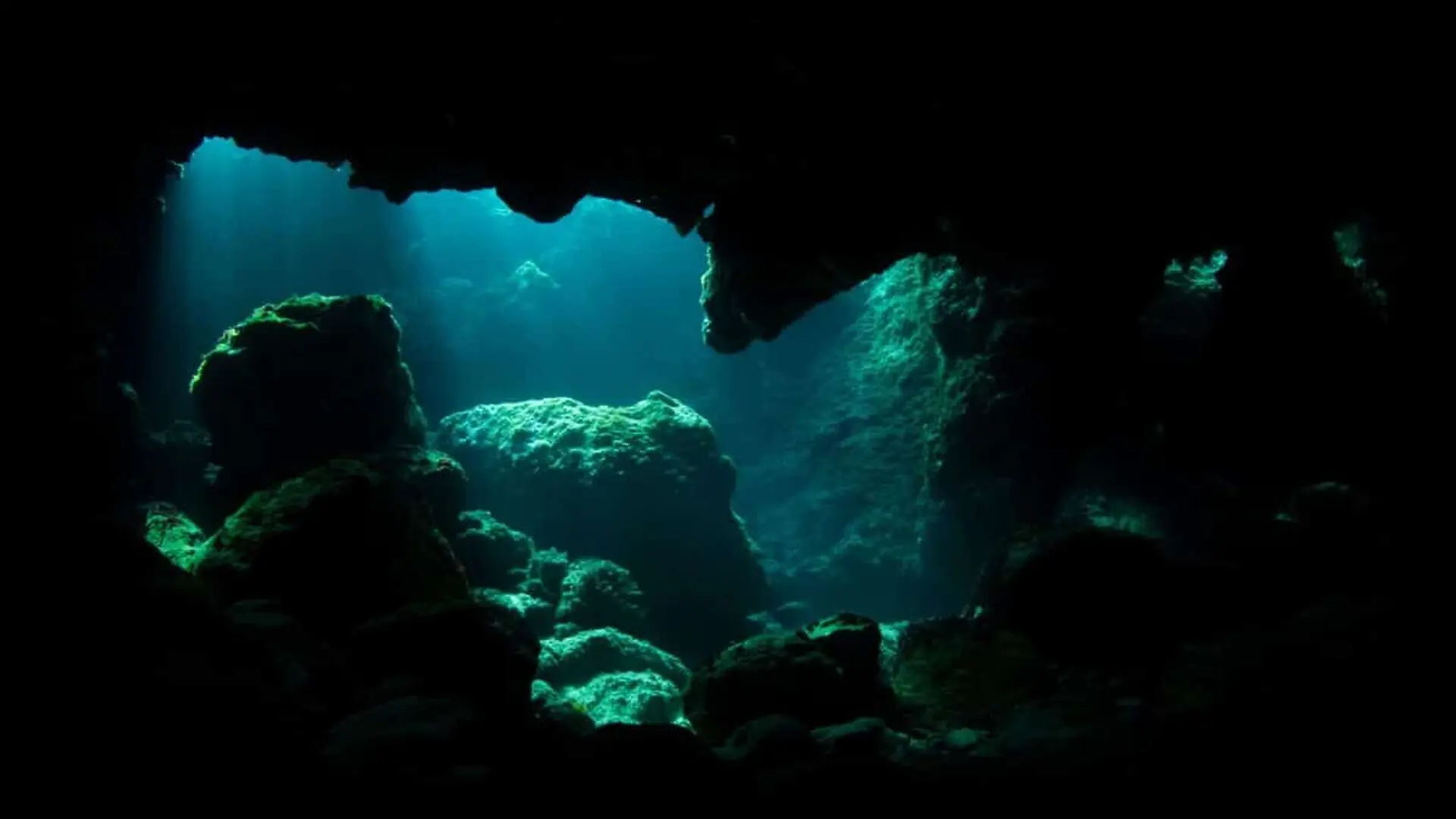
Scientists have identified a previously unknown crustacean living almost 8,000 meters beneath the waves of the Atacama Trench, one of the planet’s most forbidding marine environments. The new amphipod, named Dulcibella camanchaca, adds to the growing inventory of life that thrives in the pitch‑black hadal zone.
The specimens were retrieved in October 2023 during a research cruise conducted by the Instituto Milenio de Oceanografía (IMO) aboard the vessel Abate Molina. Genetic analysis and detailed morphological study confirmed that the animal belongs to a genus never before recorded.
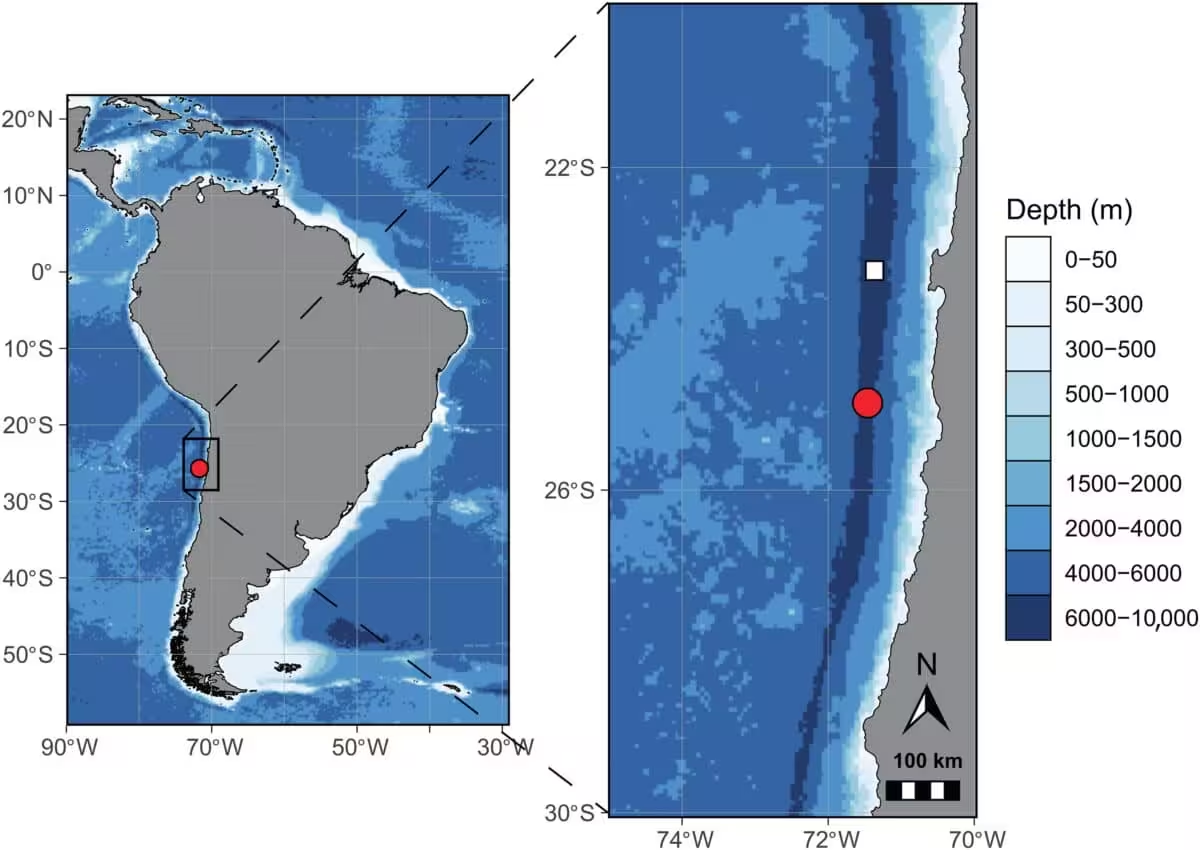
Spanning roughly 3,700 miles along South America’s western margin, the Atacama Trench—also known as the Peru‑Chile Trench—plummets to depths exceeding 26,000 feet near northern Chile. Situated in the hadal zone, the trench is perpetually shrouded in darkness and maintains temperatures just above freezing.
A New Amphipod Species With Predator‑Like Features
Four individuals were captured at a depth of 7,902 meters, including a 1.5‑inch female that served as the reference specimen. Researchers sequenced the 16S and COI regions of mitochondrial DNA, standard markers for species identification, and found no close matches among known amphipods.
Lead author Johanna Weston of the Woods Hole Oceanographic Institution explained, “The DNA and morphology data pointed to this species representing a new genus, highlighting the Atacama Trench as an endemic hotspot.”
“Most excitingly, the DNA and morphology data pointed to this species being a new genus too, emphasizing the Atacama Trench as an endemic hotspot.”
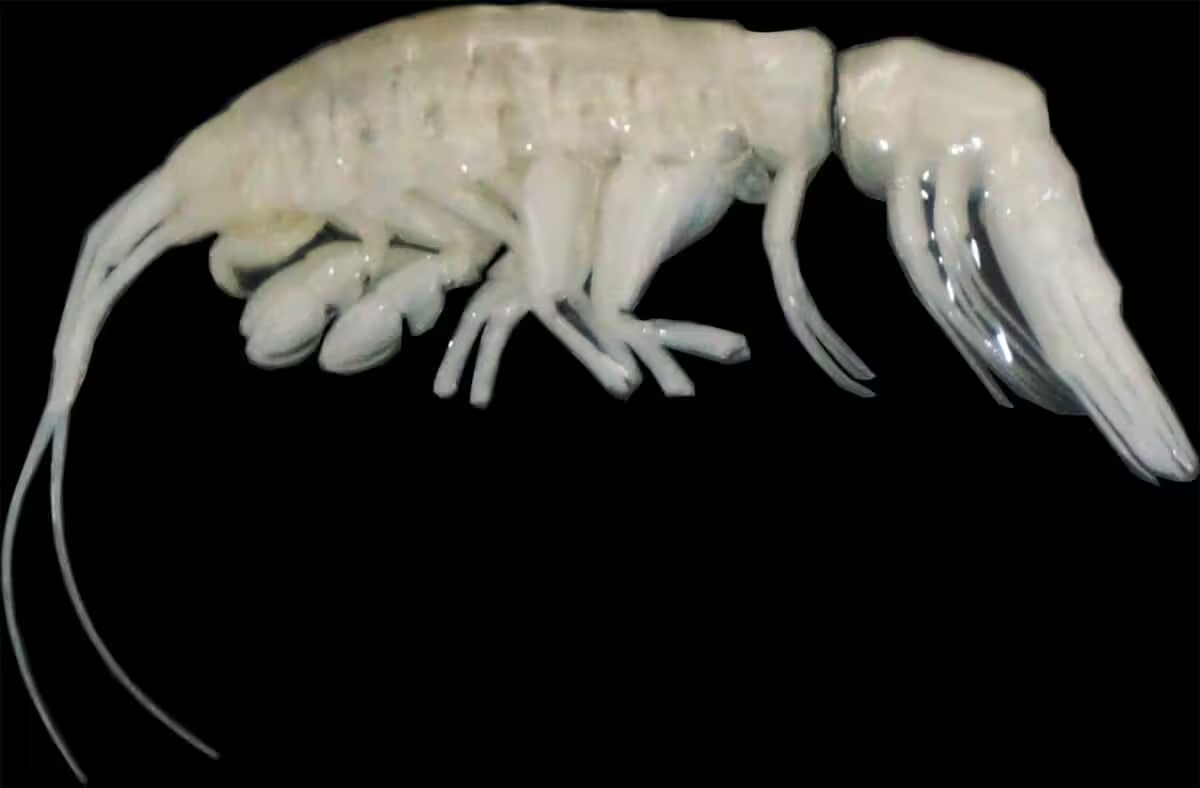
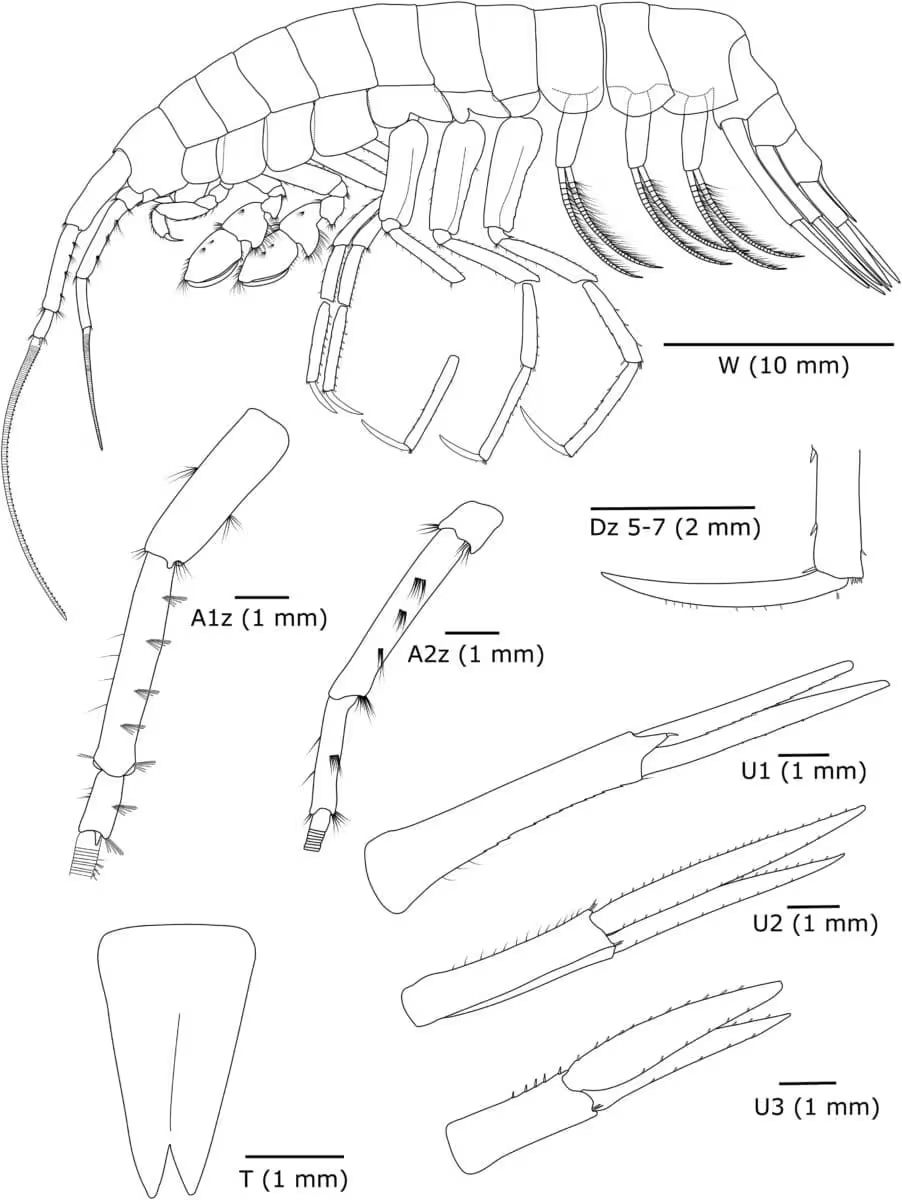
The study, published in Systematics and Biodiversity, notes that Dulcibella camanchaca possesses unusually large anterior limbs and robust mouthparts, traits that suggest an active predatory lifestyle rather than passive scavenging on sinking organic matter.
Although direct observations of feeding are still pending, the anatomy implies the amphipod hunts mobile prey while navigating the abyssal darkness.
Enduring Extreme Pressure in the Hadal Zone
At roughly 25,925 feet below sea level, pressure in the trench exceeds 790 times the atmospheric level at the surface. Yet Dulcibella camanchaca appears capable of swimming, molting and hunting under such conditions, prompting researchers to investigate the physiological mechanisms that enable life at these extremes.
The discovery also raises questions about the species’ geographic range. While some hadal amphipods, such as Profundum solomoni, have been documented across multiple trenches, it remains uncertain whether Dulcibella camanchaca is confined to the Atacama or occurs elsewhere.
A 2026 investigation published in Science identified 32 hadal species in the Kermadec and Mariana trenches and reported comparable communities in other deep‑sea locales, including the Atacama region.
Extended Expedition Sheds Light on Deep‑Sea Diversity
Building on the amphipod find, the Joint China‑Chile Atacama Trench Expedition (JCATE) launched a series of dives in 2026 using the crewed submersible Fendouzhe. Researchers from Universidad de Concepción completed more than 36 descents, covering about 112 miles of seafloor and reaching a maximum depth of 26,434 feet.
Across the 156‑day campaign, the team logged 63 dives, with 50 exceeding 20,000 feet. Unlike earlier surveys that relied on baited traps, the expedition employed camera systems, sediment samplers, and environmental‑DNA kits to capture a more comprehensive picture of the trench’s ecosystem.
Early results from JCATE documented translucent fish, gelatinous medusae, sea cucumbers, and several amphipods that may represent additional new species. The Chinese Academy of Sciences’ Institute of Deep‑sea Science and Engineering also announced the detection of the Southern Hemisphere’s deepest known chemosynthetic community, a habitat sustained by chemical energy released from the seafloor.
This article has been fact checked for accuracy, with information verified against reputable sources. Learn more about us and our editorial process.
Last reviewed on .
Article history
- Latest version
Reference(s)
- “Johanna Weston | Woods Hole Oceanographic Institution.” Woods Hole Oceanographic Institution <https://www.whoi.edu/oceanus/featured-researcher/johanna-weston/>.
- Weston, Johanna N. J.., et al. “A new large predator (Amphipoda, Eusiridae) hidden at hadal depths of the Atacama Trench.” Systematics and Biodiversity, vol. 22, no. 1, November 27, 2024 Informa UK Limited, doi: 10.1080/14772000.2024.2416430. <https://www.tandfonline.com/doi/full/10.1080/14772000.2024.2416430>.
- Song, Xikun., et al. “Protist-dominated hard substrate faunas thrive at the deepest ocean depths.” Science, vol. 392, no. 6799, May 14, 2026, pp. 749-754. American Association for the Advancement of Science (AAAS), doi: 10.1126/science.aea7086. <https://www.science.org/doi/10.1126/science.aea7086>.
Cite this page:
- Posted by Elizabeth Taylor