One Bone Leads to Discovery of New Giant Long-Necked Dinosaur in Thailand
A lone Thai dinosaur fossil, found without the usual bone pile, uncovers a previously unidentified feature, reshaping our understanding.
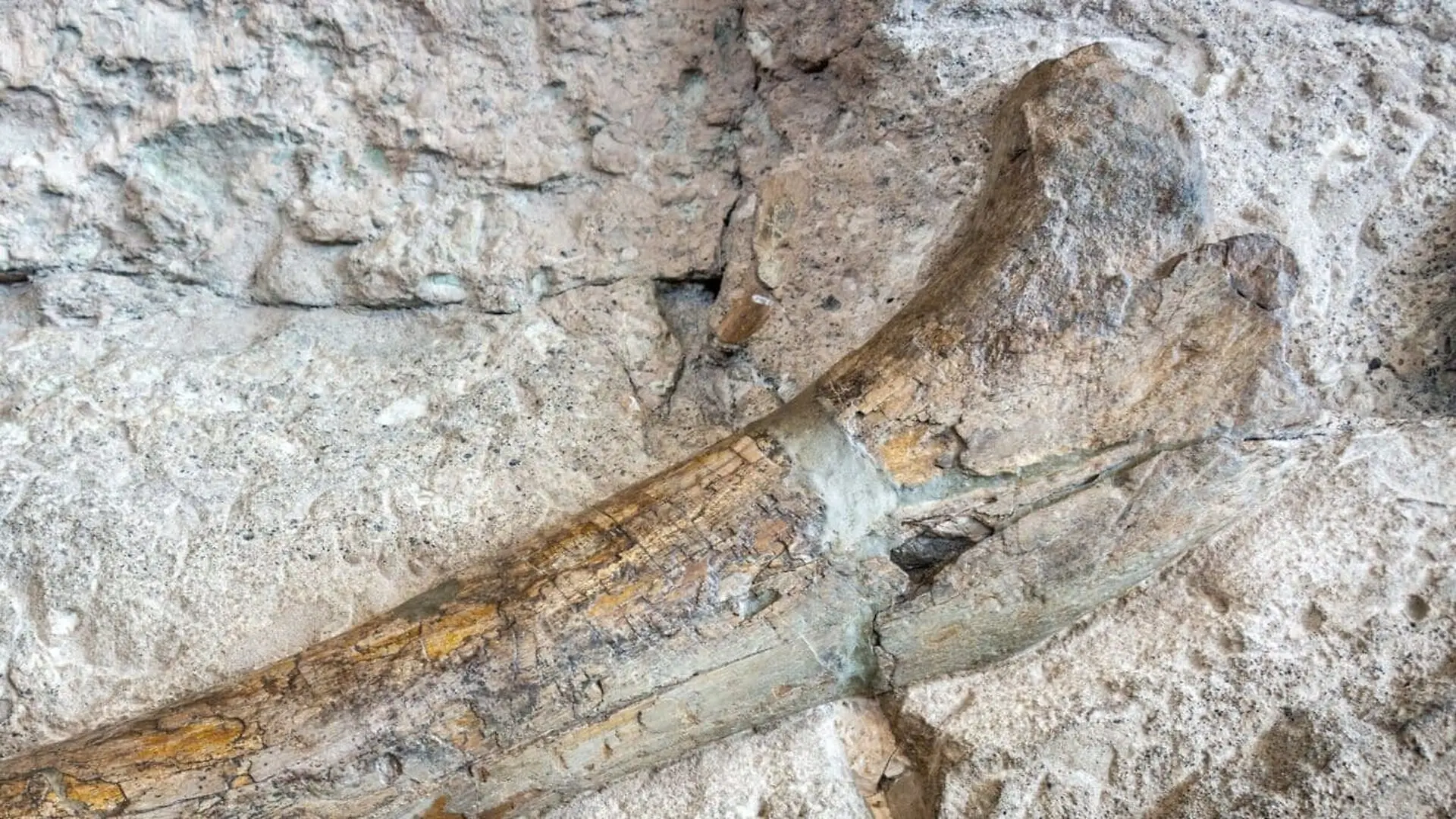
Researchers have announced a new sauropod species from northeastern Thailand, naming it Uragasaurus kalasinensis. The find marks the first officially described mamenchisaurid from the country and pushes the family’s geographic reach deeper into mainland Southeast Asia.
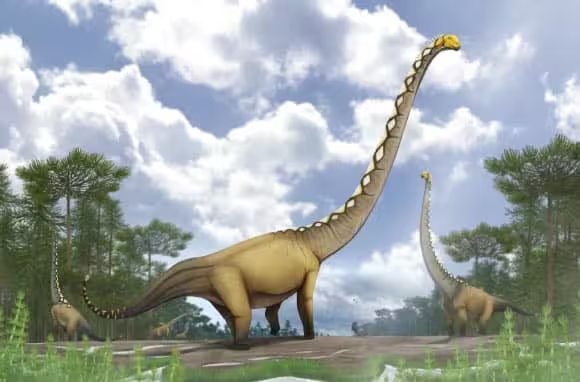
Living roughly between 150 and 145 million years ago, during the closing stages of the Jurassic, the dinosaur would have been a massive herbivore equipped with an exceptionally long neck.
The specimen originates from the Phu Noi locality within the Phu Kradung Formation, a sequence of ancient river deposits already known for yielding a rich assemblage of Jurassic vertebrates from the region.
A Single Vertebra Defines a New Taxon
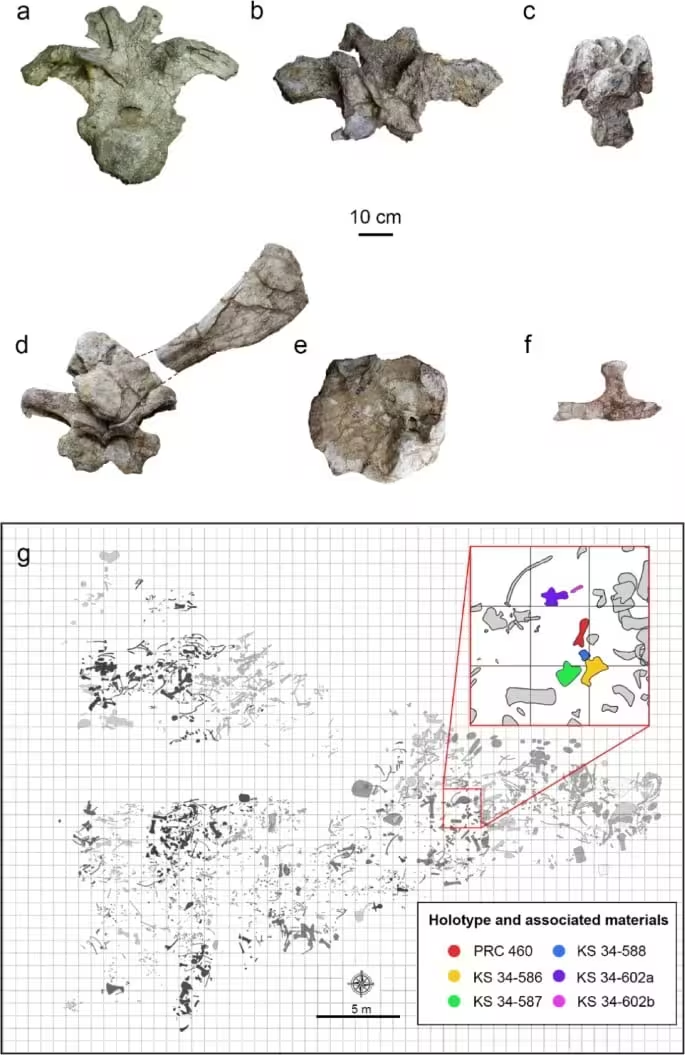
Unlike many dinosaur discoveries that rely on extensive skeletal material, the classification of Uragasaurus kalasinensis rests on one well‑preserved back vertebra, catalogued as PRC 460, discovered alongside other sauropod fragments that could not be confidently assigned to the same individual.
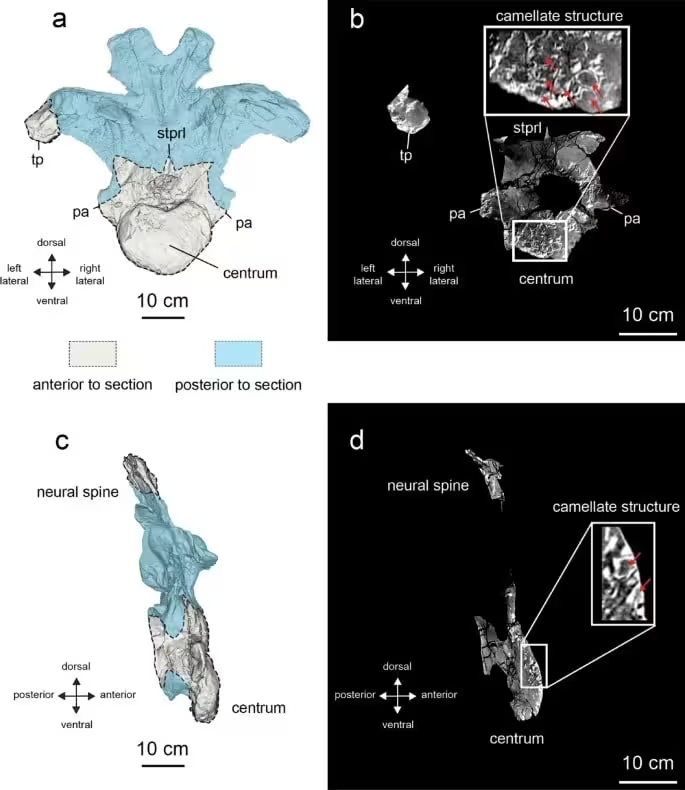
The isolated bone, recovered from the front portion of the animal’s torso just posterior to the neck, displays a suite of anatomical traits that set it apart from previously known sauropods, allowing the team to recognize it as a distinct species.
East Asian Giant Sauropod in Focus
The accompanying study notes that mamenchisaurids were the dominant non‑neosauropod eusauropods across East Asia during the Middle and Late Jurassic, distinguished by their remarkably elongated cervical vertebrae that contain extensive pneumatic chambers. Later members of the group also exhibit distinctive vertebrae near the anterior portion of the tail.
“These features, although convergently evolved in several Cretaceous neosauropod lineages — including Euhelopodidae, Somphospondyli, and Titanosauria — have complicated interpretations of mamenchisaurid relationships and contributed to ongoing uncertainty regarding their phylogenetic position among sauropods.”
Phylogenetic analysis positions Uragasaurus kalasinensis near the base of the mamenchisaurid clade, indicating it represents an early offshoot of the lineage.
Implications for Jurassic Biogeography
The discovery widens the known distribution of mamenchisaurids to include mainland Southeast Asia and supports the idea that these long‑necked giants were widespread throughout eastern Asia by the Late Jurassic. Similar species recovered from Chinese sites hint at faunal exchanges across the region.
Comparisons with more distantly related sauropods reveal intricate paleobiogeographic patterns surrounding the Jurassic–Cretaceous transition, although the current fossil record remains too sparse to map the full dispersal routes of these massive herbivores.
“Continued discoveries from the Phu Kradung Formation and other Jurassic deposits in Southeast Asia may therefore provide important insights into the early evolutionary history and biogeographic dispersal of mamenchisaurid sauropods.”
This article has been fact checked for accuracy, with information verified against reputable sources. Learn more about us and our editorial process.
Last reviewed on .
Article history
- Latest version
Reference(s)
- Nilpanapan, Apirut. “A new mamenchisaurid sauropod from the Lower Phu Kradung Formation, Upper Jurassic of northeastern Thailand - Scientific Reports.”, vol. 16, no. 1, July 8, 2026, pp. 21205 Nature, doi: 10.1038/s41598-026-49822-3. <https://www.nature.com/articles/s41598-026-49822-3>.
Cite this page:
- Posted by Elizabeth Taylor