Olive Pit Biochar Paves Barcelona Street, Slashing Carbon Footprint By 76%
A live street trial converts olive‑industry waste into carbon‑sequestering asphalt, boosting durability while slashing pavement emissions.
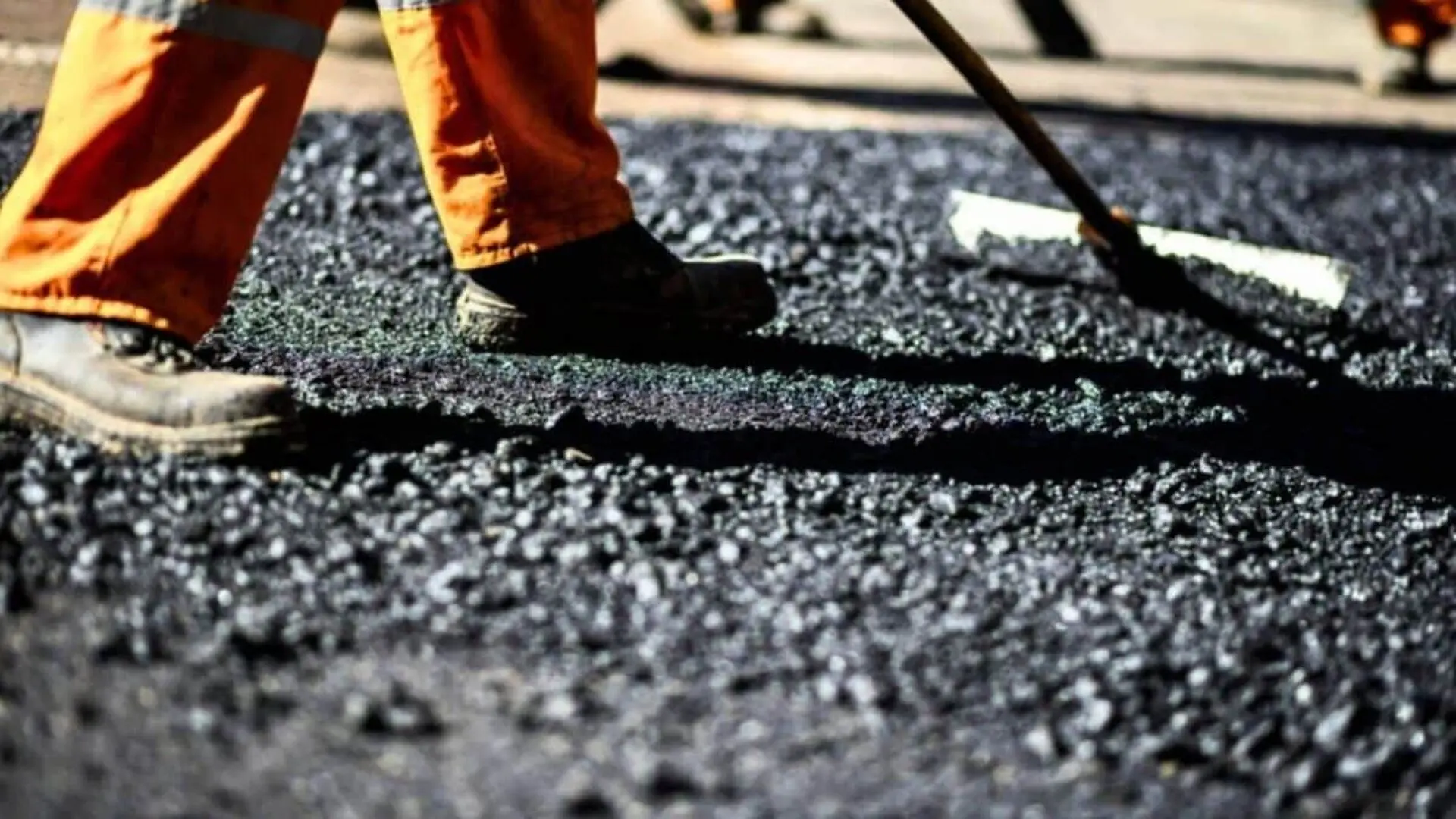
A 2,000‑square‑meter segment of a street in Barcelona’s Eixample neighborhood looks ordinary at first glance. The black surface sits level with the curb, but underneath the asphalt lies no traditional mineral filler. Instead, the mix is bound with biochar produced from olive pits—the carbon‑rich residues generated by Spain’s olive‑oil industry. The city council selected this approach as the winning entry in a municipal innovation competition aimed at cutting emissions from road construction.
The concept was brought to life by construction firms Agustí i Masoliver, SA (AMSA) and Asfaltos y Construcciones Elsan, SA (ELSAN), in partnership with researchers from the Polytechnic University of Catalonia. Their formulation replaces the limestone filler normally used in asphalt with a carbon‑dense material derived from agricultural and forestry waste.
Preliminary data indicate a 76 percent drop in carbon emissions compared with conventional pavement, while laboratory tests suggest the biochar blend matches or exceeds standard asphalt in moisture resistance, crack tolerance, and temperature stability.
Carbon Capture Through Pyrolysis
The key to the technology is pyrolysis, a heat‑driven process that treats organic material in an environment with little or no oxygen. When olive pits undergo pyrolysis, their carbon does not burn to carbon dioxide; instead it solidifies into a chemically inert structure that can endure for decades.
The carbon accounting follows a straightforward chain. Olive trees absorb CO₂ as they grow, storing a portion of that carbon in the pits. If the pits are left to decompose in a landfill or burned for fuel, the stored carbon returns to the atmosphere within a few years. Pyrolysis breaks that loop, and when the resulting biochar is incorporated into asphalt, the road itself becomes a long‑term carbon repository.
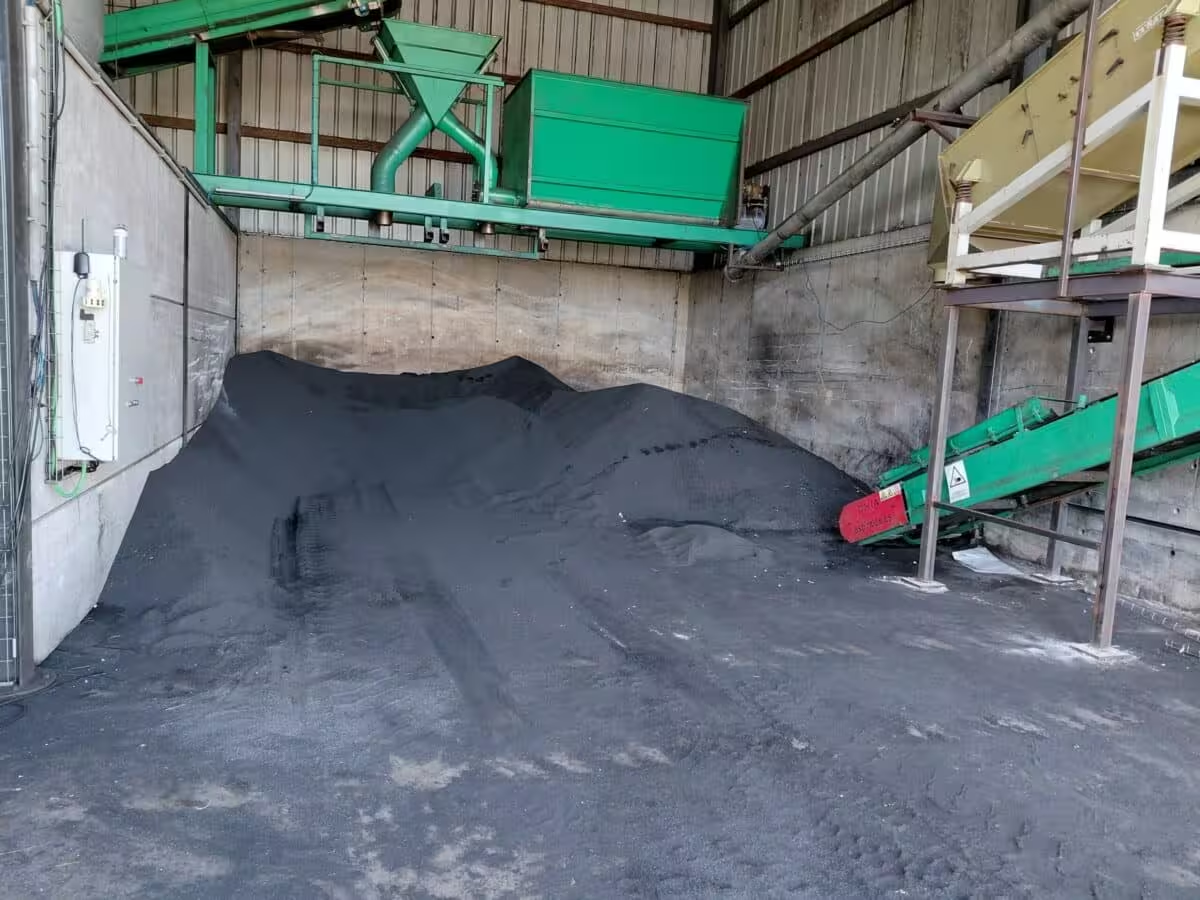
The Barcelona formula draws on biochar made from olive pits and pine residues, two plentiful by‑products that are widely available across Mediterranean supply chains. Carboliva, a firm active in related biochar research, describes the approach as turning roads and buildings into carbon stores for the entire lifespan of the infrastructure. Unlike raw plant residues, which decompose quickly, biochar retains carbon within a stable matrix, keeping it locked in place as long as the pavement remains intact.
Innovation Contest Sets the Bar for Low‑Carbon Streets
The project emerged from the 21st Century Street Section competition, a challenge run by the BIT Habitat foundation in partnership with the Barcelona City Council, BIMSA and the Diputación de Barcelona. Entrants were required to cut carbon emissions from road and sidewalk reconstruction while also reducing water usage, raw material consumption, and preserving the durability needed for urban infrastructure. The winning team received €90,000 to refine the design and produce prototypes through September 2026.
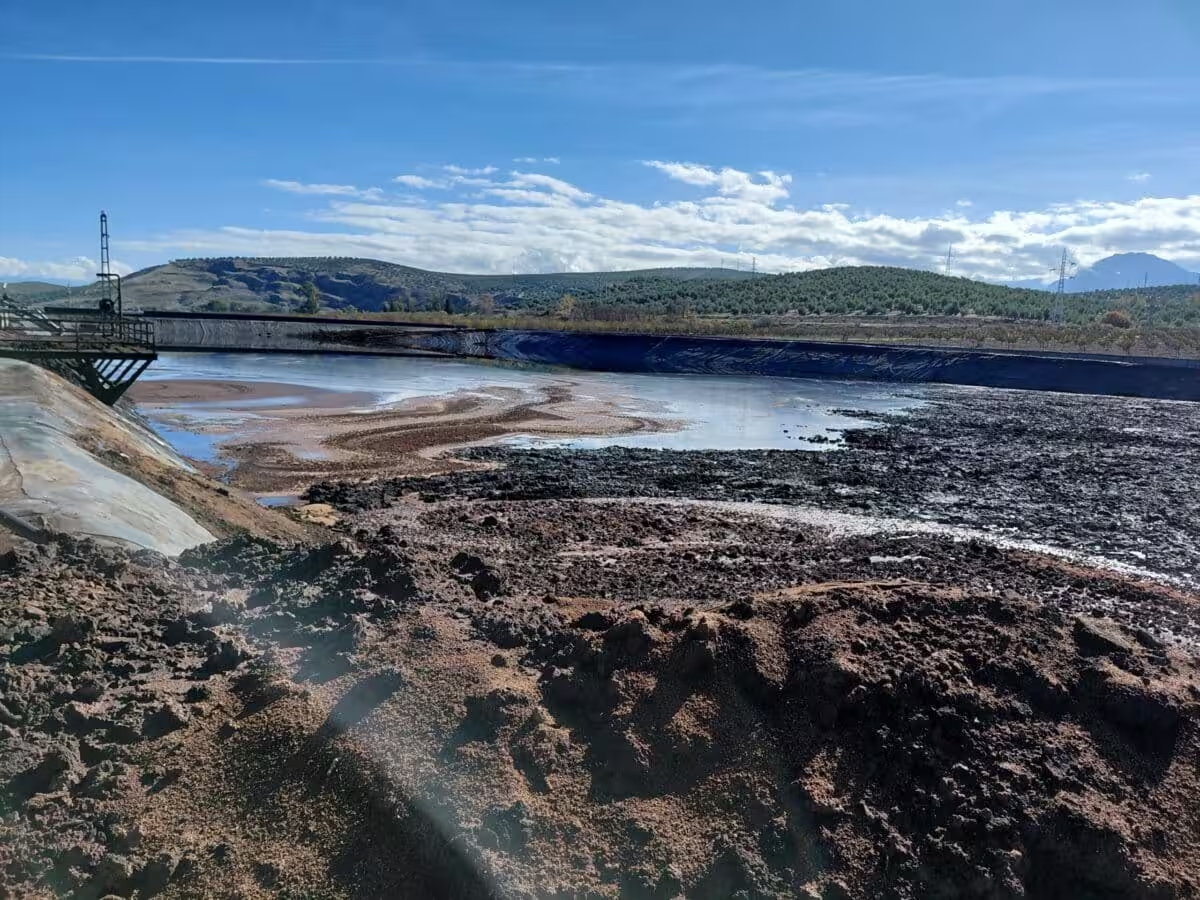
Barcelona’s Climate Plan targets full climate neutrality by 2030, and municipal roads—often overlooked in carbon inventories—were singled out for improvement through this contest. By combining academic expertise, industry capability, and municipal funding, the biochar pavement has moved from the laboratory to a real‑world test site, offering a clear pathway for broader adoption that many early‑stage material projects lack.
Field Trial on Cerdà Street Gauges Real‑World Viability
The pilot on Cerdà Street is intended to bridge the gap between laboratory results and everyday performance. Engineers from the city and construction firm Sorigué are collecting data on how the biochar‑infused asphalt withstands daily traffic, summer heat, and wet winter conditions. While lab tests suggested superior moisture resistance, crack tolerance, and temperature stability, the street trial will confirm whether those advantages hold up under actual use.
Findings will inform the technical specifications that municipal engineers can embed in future road contracts. Demonstrating durability through at least one full seasonal cycle could justify expanding the material into standard procurement processes.
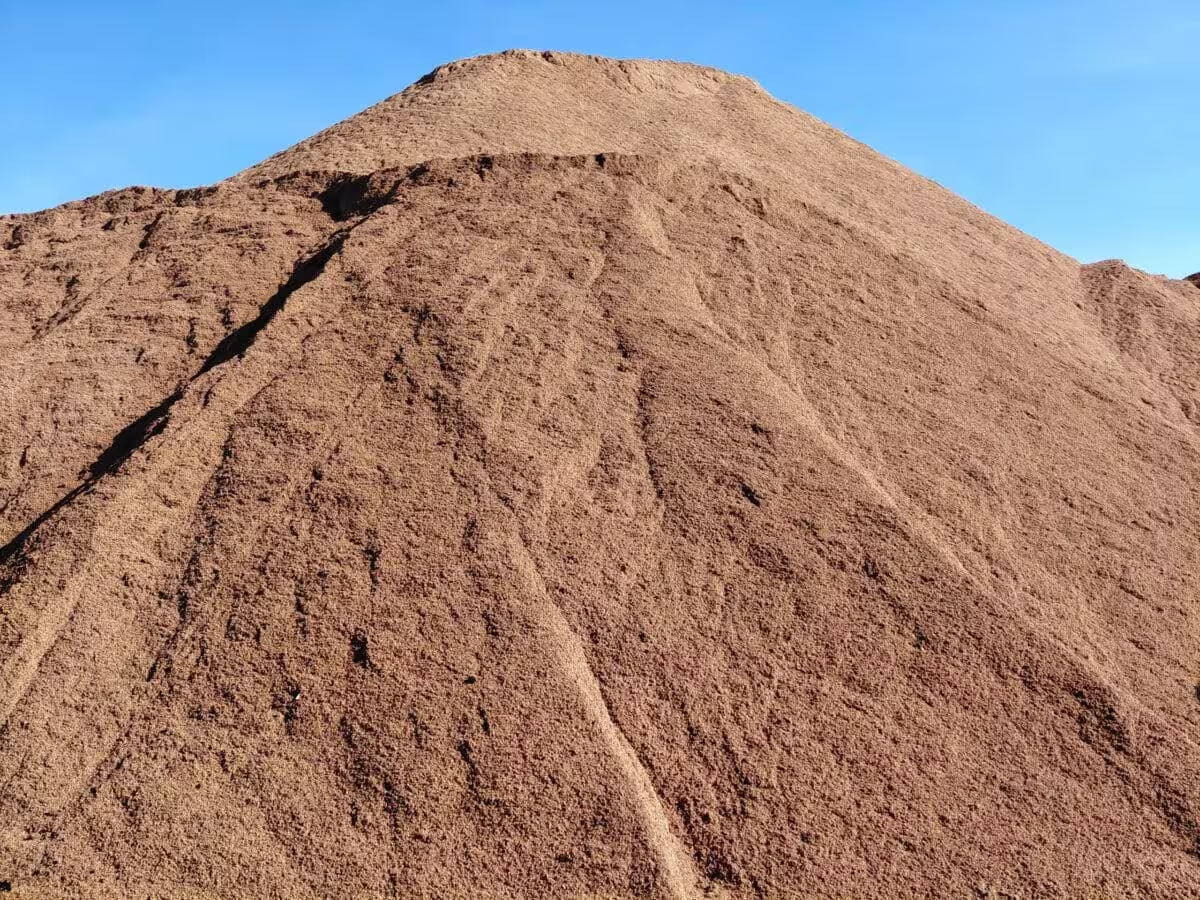
The trial also evaluates supply‑chain feasibility. Spain is the world’s leading olive‑oil producer, generating massive quantities of pits each harvest. If Mediterranean municipalities adopt biochar paving at scale, this existing waste stream could become a sustainable raw material without adding pressure to land or crops, turning a disposal issue into a construction asset.
Extending Biochar Use to Concrete
Parallel research is exploring olive‑pit biochar as a partial replacement for natural sand in concrete mixes. Studies reported by Olive Oil Times show that the substitution reduces the carbon footprint of concrete and improves resistance to water penetration.
Given that concrete is the second most consumed material worldwide and a major source of industrial carbon emissions, scaling biochar integration could have a far‑reaching impact. Alvaro Espuny, chief executive of Carboliva, told Olive Oil Times that widespread use of biochar in construction “would represent a major step forward in sustainability” because of concrete’s global prevalence.
The Polytechnic University of Catalonia continues to provide technical validation for the asphalt blend, while Barcelona’s procurement framework offers a clearer adoption route than most early‑stage material research achieves. Whether biochar moves from a single pilot street to routine road construction will hinge on the performance data gathered from Cerdà Street after a complete cycle of traffic and weather.
This article has been fact checked for accuracy, with information verified against reputable sources. Learn more about us and our editorial process.
Last reviewed on .
Article history
- Latest version
Reference(s)
- “AGUSTÍ Y MASOLIVER, S.A. (AMSA) – Empresa constructora.” <https://www.amsa.es/es/>.
- “BIOCHAR - Bithabitat ES.”, April 10, 2026 Bithabitat ES <https://bithabitat.barcelona/es/proyectos/biochar/>.
- “Olive Oil Times.” Olive Oil Times <https://www.oliveoiltimes.com/business/olive-pit-biochar-shows-promise-as-low-carbon-alternative-in-concrete-production/143032>.
Cite this page:
- Posted by Karan Das