Europe’s First Total Solar Eclipse in 27 Years Arrives August 12: Top Viewing Sites
Witness a rare total solar eclipse on Aug 12 2026 crossing Greenland, Iceland and Spain—millions can enjoy this spectacular celestial event.
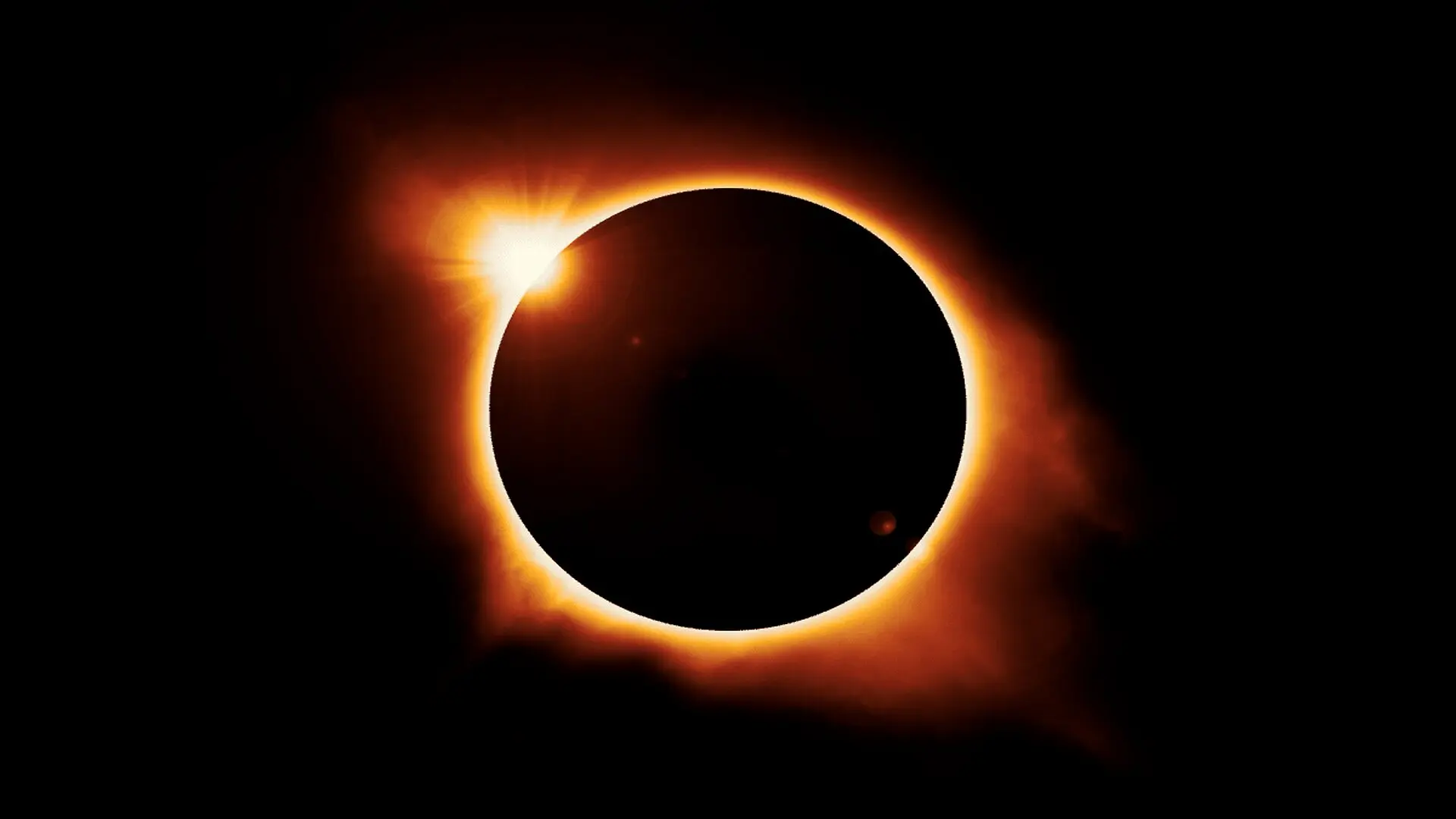
On August 12, 2026, a total solar eclipse will sweep across a narrow band that includes parts of Greenland, Iceland and northern Spain. The celestial event, expected to draw millions of sky‑watchers, scientists and photographers, will see the Moon completely eclipse the Sun for a brief interval, offering a rare chance to observe the Sun’s hidden corona. With Europe awaiting its first total eclipse in nearly three decades, travel itineraries are filling up fast and astronomers are releasing detailed guides for the optimal viewing locations.
Why the 2026 Eclipse Stands Out
When the Moon aligns directly between Earth and the Sun, daylight briefly turns to twilight and the faint outer atmosphere of the Sun—its corona—becomes visible. This luminous halo, normally drowned out by the Sun’s glare, can only be seen during the few minutes of totality. The upcoming eclipse is especially noteworthy because it provides a continent‑wide audience the opportunity to experience total darkness at midday without leaving Europe, a chance not offered since the 1999 event. Researchers also anticipate valuable data on coronal dynamics, magnetic fields and atmospheric effects that accompany the fleeting blackout.
Top Locations for Full‑Sun Coverage
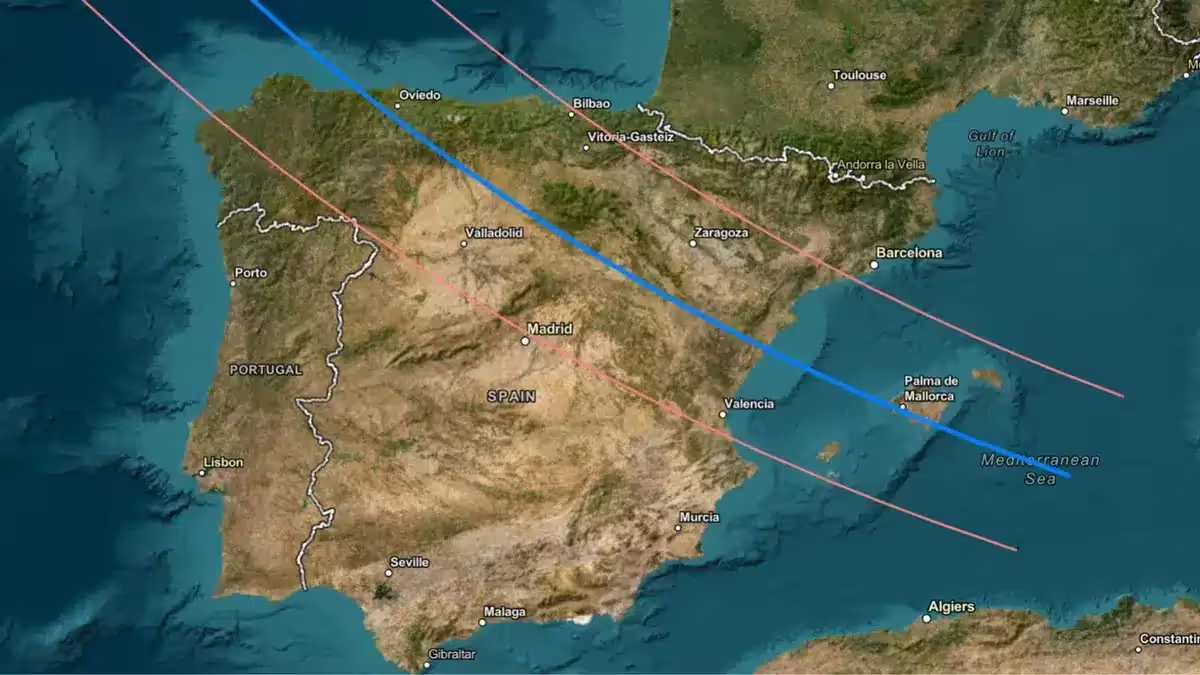
According to Space.com, the eclipse’s totality track will commence over Greenland, cut across Iceland and conclude across the northern reaches of Spain. Those positioned inside this corridor will see the Moon fully cover the Sun, while observers outside will only witness a partial obscuration.
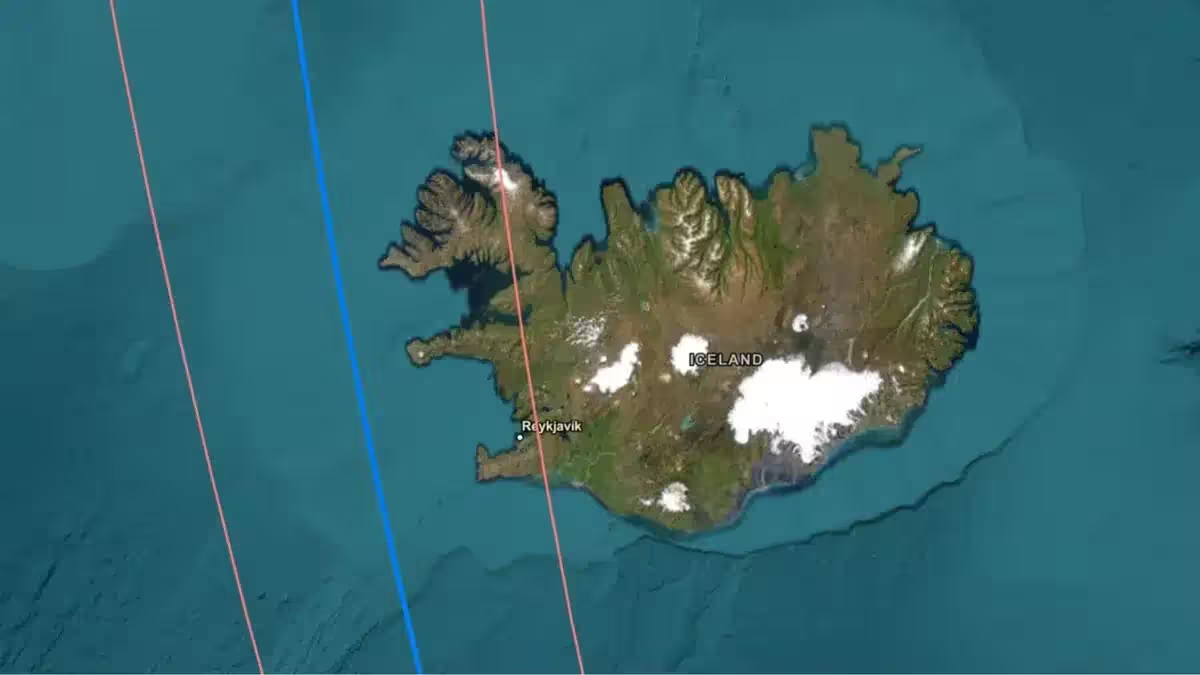
In Iceland, the Snæfellsjökull National Park region promises more than two minutes of total darkness, among the longest stretches along the eclipse line. Northern Spanish cities such as Gijón, A Coruña, Palencia and Burgos are gearing up for a surge of visitors, though the Sun’s low angle during totality will require clear western horizons. The island of Mallorca will also fall under totality, presenting a dramatic low‑sun spectacle that photographers will find both alluring and technically demanding.
Weather will be a decisive factor. Historical August conditions in Spain typically favor clear skies, which is why the country has emerged as a preferred destination compared with the more unpredictable climates of the Arctic routes.
Partial Eclipse Shades Much of Europe
Cities outside the narrow totality lane will still enjoy a striking partial eclipse, with many locations seeing more than 90 % of the Sun obscured. Major urban centers such as London, Paris, Dublin, Lisbon and Madrid are set to experience deep shading, while Madrid will approach near‑total coverage despite missing the central path.
Further north, Berlin, Oslo and Nuuk will also record substantial solar dimming. Across the Atlantic, the partial phase will be modest; New York City, for instance, will see roughly nine percent of the Sun blocked, underscoring how quickly eclipse visibility can change with latitude.
Ensuring a Safe and Successful Observation
Experts continue to stress that looking at the Sun without proper protection during any partial phase can cause permanent eye damage. Certified eclipse glasses meeting international safety standards are mandatory whenever any portion of the solar disc remains visible. Only the fleeting moments of totality—available to those within the path—allow safe unaided viewing.
Logistical planning is equally crucial. Accommodation near prime viewing spots is already in high demand, and transport networks in Spain and Iceland are preparing for a notable influx of travelers. Veteran eclipse enthusiasts advise arriving several days ahead of the event to retain flexibility in case cloud cover necessitates a last‑minute relocation. Photographers are also assembling specialized gear to capture the corona, solar prominences and the rapid shift from daylight to darkness.
This article has been fact checked for accuracy, with information verified against reputable sources. Learn more about us and our editorial process.
Last reviewed on .
Article history
- Latest version
Reference(s)
- Dobrijevic, Daisy. “1 month until the total solar eclipse 2026 — Here's what you need to know.”, July 12, 2026 Space <https://www.space.com/stargazing/solar-eclipses/1-month-until-the-total-solar-eclipse-2026-heres-what-you-need-to-know>.
Cite this page:
- Posted by Karan Das