NASA has placed a new CubeSat into orbit to speed the validation of cutting‑edge space technologies, a strategy that could compress development schedules for upcoming missions while cutting expenses. The R5‑S9 satellite marks the latest milestone in an aggressive effort to test innovative hardware and software on a compact, low‑cost platform. By pairing commercial off‑the‑shelf parts with advanced experimental payloads, the mission aims to demonstrate that swift, inexpensive spacecraft creation can still drive significant technological advances for future exploration.
Compact Spacecraft, Accelerated Innovation Cycle
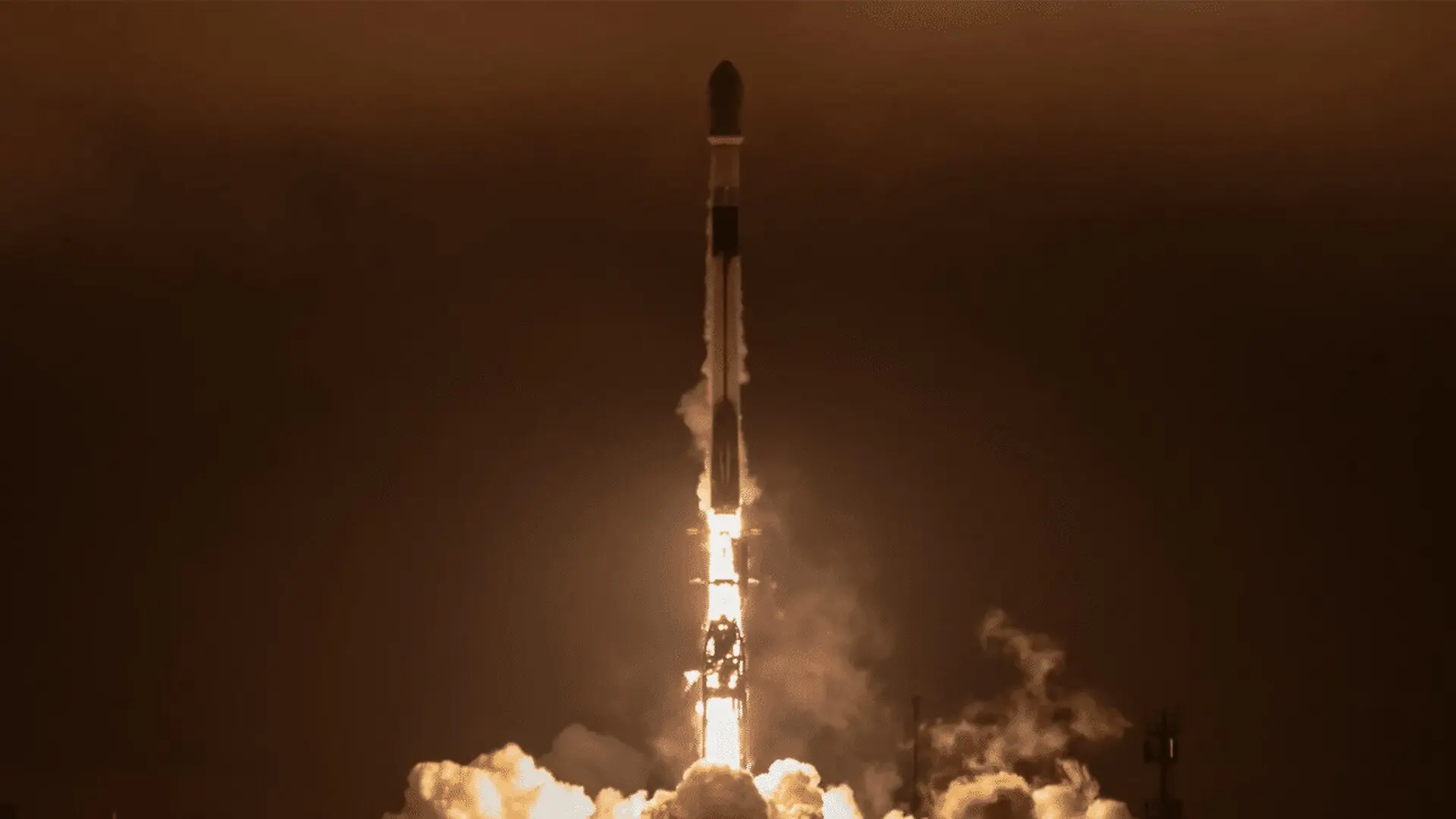
The R5‑S9 (Realizing Rapid, Reduced‑cost High‑Risk Research Spacecraft 9) lifted off aboard a SpaceX Falcon 9 as part of the Transporter‑17 rideshare launch from Vandenberg Space Force Base in California. Despite its modest dimensions, the satellite functions as an orbital technology testbed, allowing engineers to gather performance data that cannot be reproduced on the ground.
Improvements accumulated over earlier R5 flights are evident in the latest craft. NASA notes that the team moved from concept to launch in roughly four months, an unusually brief timeline for an operational orbital vehicle. The achievement highlights how a standardized bus and commercial parts can dramatically shorten development while retaining flexibility for mission objectives.
A new CubeSat called R5 S9 launched on the Transporter 17 mission with SpaceX from SLC-4E at Vandenberg Space Force Base on July 7! Built with commercial off the shelf components, the spacecraft advances rapid and low cost development approaches.
— NASA’s Kennedy Space Center (@NASAKennedy) July 10, 2026
In‑Orbit Trials of Emerging Technologies
Among the experiments aboard the CubeSat, a payload developed with Sandia National Laboratories will test edge‑computing capabilities that enable satellites to process data autonomously. By handling analysis onboard, future spacecraft could flag significant events and react without relying on constant ground‑station contact.
Autonomous processing becomes especially valuable for deep‑space missions where communication delays hinder real‑time decision making. Onboard intelligence could allow probes to prioritize observations, spot anomalies, and allocate resources independently, a feature that is expected to grow in importance as satellite constellations expand.
The CubeSat will also trial a low‑cost optical communications system created by The Aerospace Corporation with backing from NASA’s Center Innovation Fund. Using laser links instead of conventional radio frequencies, the demonstration aims to achieve much higher data rates, potentially enabling small satellites to downlink larger science datasets while keeping hardware footprints minimal.
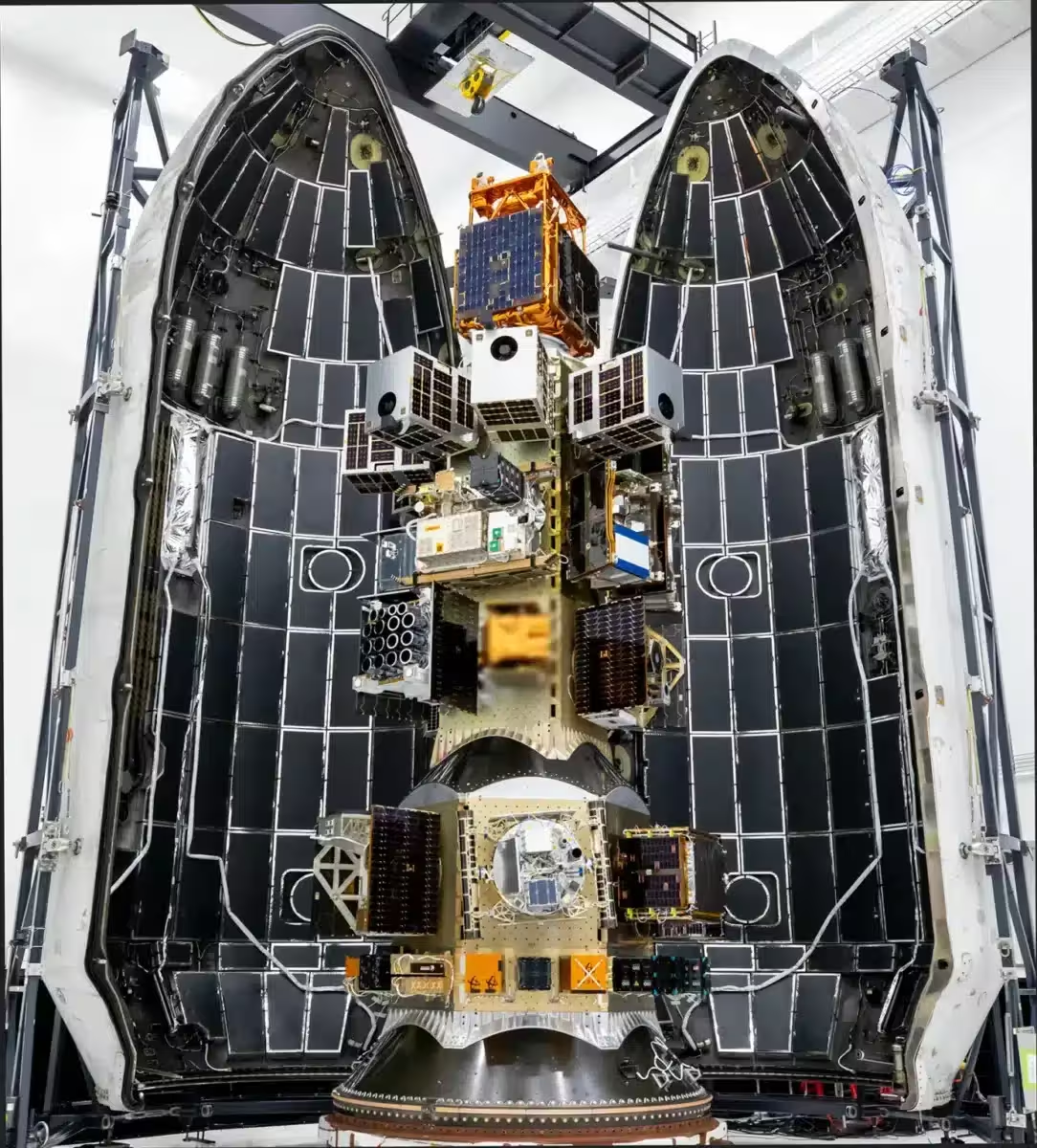
The RS‑S9 (Realizing Rapid, Reduced‑cost high‑Risk Research project Spacecraft 9) and other payloads shown before encapsulation in a payload fairing ahead of the Transporter‑17 rideshare mission.Credit: SpaceX
Leveraging Commercial Advances for NASA’s Small‑Sat Agenda
NASA frames the R5 effort as a broader initiative to reshape the design, fabrication, and operation of small spacecraft. Engineers systematically assess commercial off‑the‑shelf parts for durability in the space environment, pinpointing items that can replace costly custom builds. Insights from each flight are shared with the wider small‑sat community, benefiting universities, research labs, government agencies, and commercial firms.
The launch underscores NASA’s deepening partnership with the commercial launch sector. SEOPS in Houston secured the ride using NASA’s Venture‑class Acquisition of Dedicated and Rideshare (VADR) contract, a program that offers flexible, low‑cost access to launch services for smaller payloads. This arrangement expands opportunities for technology demonstrations and enables more frequent testing of novel concepts.
Funding and oversight for the R5 series come from NASA’s Small Spacecraft & Distributed Systems program at Ames Research Center, operating under the Research and Technology Mission Directorate, with additional support from the Engineering Directorate at Johnson Space Center. Launch operations are coordinated by NASA’s Launch Services Program at Kennedy Space Center, bringing together multiple agency divisions to accelerate small‑sat innovation.
Fact Checked
This article has been fact checked for accuracy, with information verified against reputable sources. Learn more about us and our editorial process.
Das, Karan. “NASA CubeSat R5‑S9 Launches to Test Autonomous Edge Computing and Laser Communications in Orbit.” BioScience. BioScience ISSN 2521-5760, 11 July 2026. <https://www.bioscience.com.pk/en/subject/space-science/nasas-latest-cubesat-is-testing-the-next-generation-of-autonomous-space-systems>.
Das, K. (2026, July 11). “NASA CubeSat R5‑S9 Launches to Test Autonomous Edge Computing and Laser Communications in Orbit.” BioScience. ISSN 2521-5760. Retrieved July 11, 2026 from https://www.bioscience.com.pk/en/subject/space-science/nasas-latest-cubesat-is-testing-the-next-generation-of-autonomous-space-systems
Das, Karan. “NASA CubeSat R5‑S9 Launches to Test Autonomous Edge Computing and Laser Communications in Orbit.” BioScience. ISSN 2521-5760. https://www.bioscience.com.pk/en/subject/space-science/nasas-latest-cubesat-is-testing-the-next-generation-of-autonomous-space-systems (accessed July 11, 2026).