French Expedition Discovers Leaking Radioactive Barrels Now Forming Unexpected Atlantic Reef
French scientists uncover rusted radioactive waste barrels three miles deep in the Atlantic, untouched for decades.
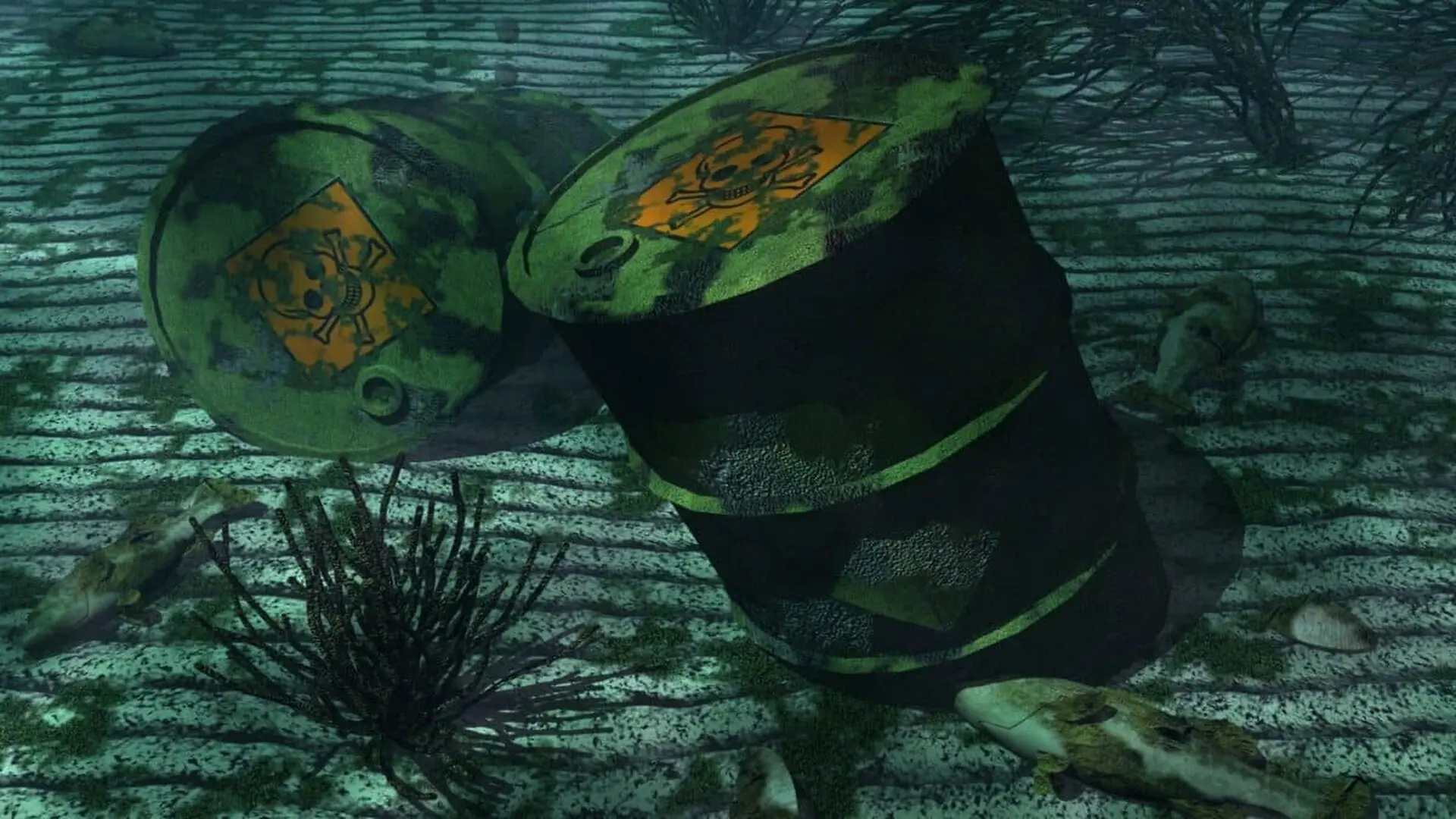
When France launched its inaugural reactor, Zoé, in 1948, it immediately faced a new problem: how to manage the byproducts of nuclear fission. While spent fuel could be sealed in land‑based repositories, a far larger stream of low‑level waste—including gloves, tools, filters and sludge from irradiated water—had no clear disposal pathway.
For decades the chosen solution was to consign this material to the ocean. A recent expedition led by France’s CNRS set out to trace the fate of those barrels, many of which had not been inspected for more than thirty years.
Why the Deep Sea Was Chosen as a Dumping Site
The practice was not accidental; between 1950 and 1990, France and several other countries deliberately deposited over 200 000 cement‑encased drums of low‑level radioactive waste on the Atlantic seabed. The rationale was simple: the remote, geologically stable depths of the ocean offered vast dilution capacity, and the method proved cheaper than any land‑based alternative. International acceptance persisted until the London Convention prohibited ocean dumping in 1993, by which time the exact locations of many containers had been lost to memory.
Locating Forgotten Drums Required a Fresh Survey
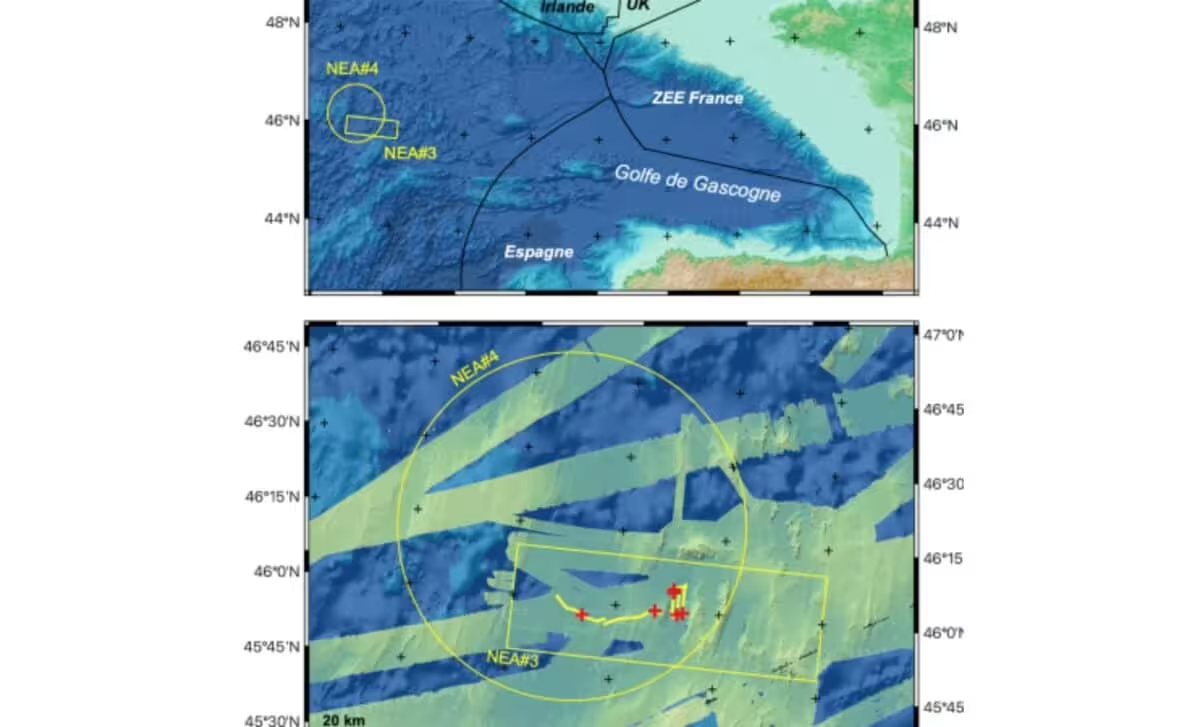
It was not until 2025 that the CNRS launched a concerted effort to pinpoint the long‑neglected dump sites, driven by a straightforward question: after three decades beneath the waves, were the containers still intact?
The project, dubbed Nodssum, began with high‑resolution sonar sweeps to map the ocean floor and locate the barrels, information that had effectively vanished from official records. Once the grid was completed, researchers descended to the depths in May and June 2026 aboard the French research submersible Nautile.
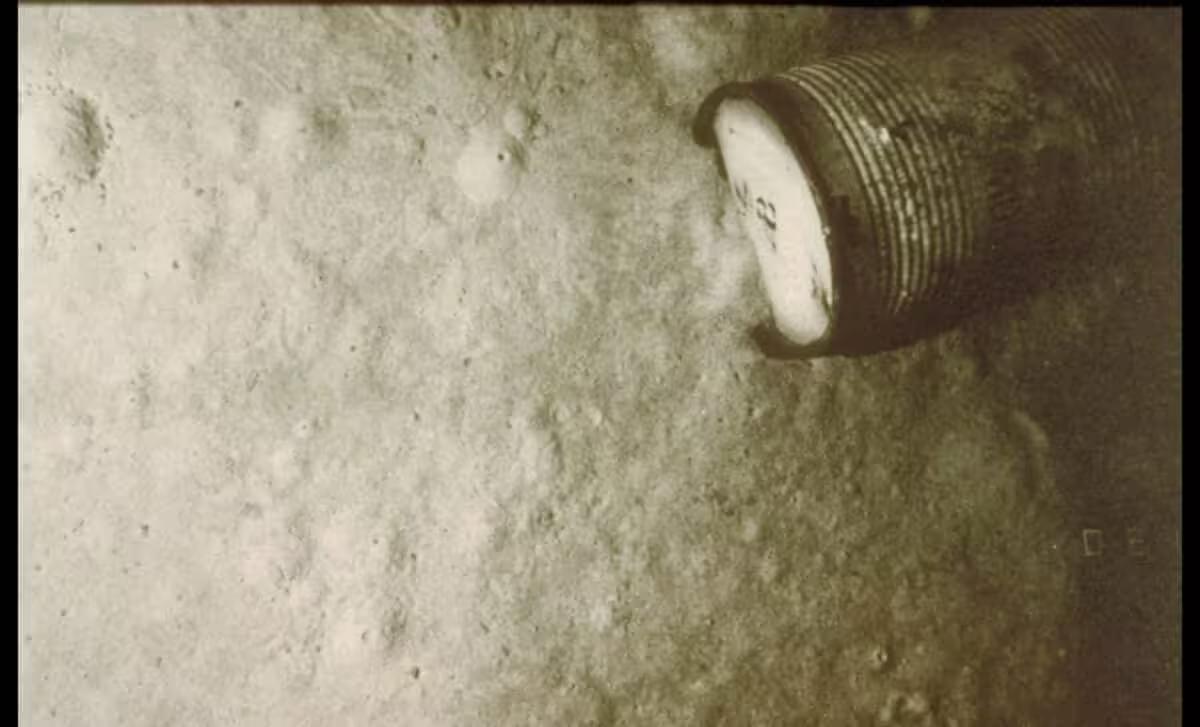
What they found matched their worst expectations: several drums were visibly deteriorating, with cement or bitumen cores exposed and fragments scattered across the surrounding seabed.
Radiation Detected, Yet Life Has Taken Hold
Laboratory analysis of collected samples revealed elevated concentrations of cobalt‑60, plutonium‑239‑240, cesium‑137 and americium‑241, confirming that at least some of the drums were leaking radionuclides.
The levels, however, remained low enough for scientists to handle the material without additional protective gear. More surprising was the emergence of a thriving community on the wreckage. Coral, anemones, crabs and fish now populate the area, coexisting with measurable radioactivity.
Mission leaders Javier Escartin and Patrick Chardon explained in The Conversation that the barrels function as an artificial reef, creating a pathway for radioactive particles to enter the food web—a process whose long‑term implications are still being investigated.
The presence of organisms does not guarantee that the ecosystem is unharmed, nor does it justify a return to ocean dumping. Ongoing studies aim to detail how these radionuclides migrate through marine organisms, including microscopic life, over the next several months.
This article has been fact checked for accuracy, with information verified against reputable sources. Learn more about us and our editorial process.
Last reviewed on .
Article history
- Latest version
Reference(s)
- “Nautile.” Ifremer <https://www.ifremer.fr/en/flotte-oceanographique-francaise/decouvrez-les-navires-de-la-flotte-oceanographique-francaise/le-nautile>.
- Escartin, Javier. “Que deviennent les fûts de déchets radioactifs immergés dans l’Atlantique dans les années 1970 et 1980 ? Les débuts de réponse d’une expédition scientifique.”, July 2, 2026 The Conversation, doi: 10.64628/AAK.ruqg4mnsp. <https://theconversation.com/que-deviennent-les-futs-de-dechets-radioactifs-immerges-dans-latlantique-dans-les-annees-1970-et-1980-les-debuts-de-reponse-dune-expedition-scientifique-286463>.
Cite this page:
- Posted by Zara Tariq