Six Interconnected Tunnels Unveiled Beneath Neolithic 4,500-Year-Old Chinese Stone City
Archaeologists investigate mysterious underground tunnels beneath an ancient stone city, probing their purpose and hidden destinations.
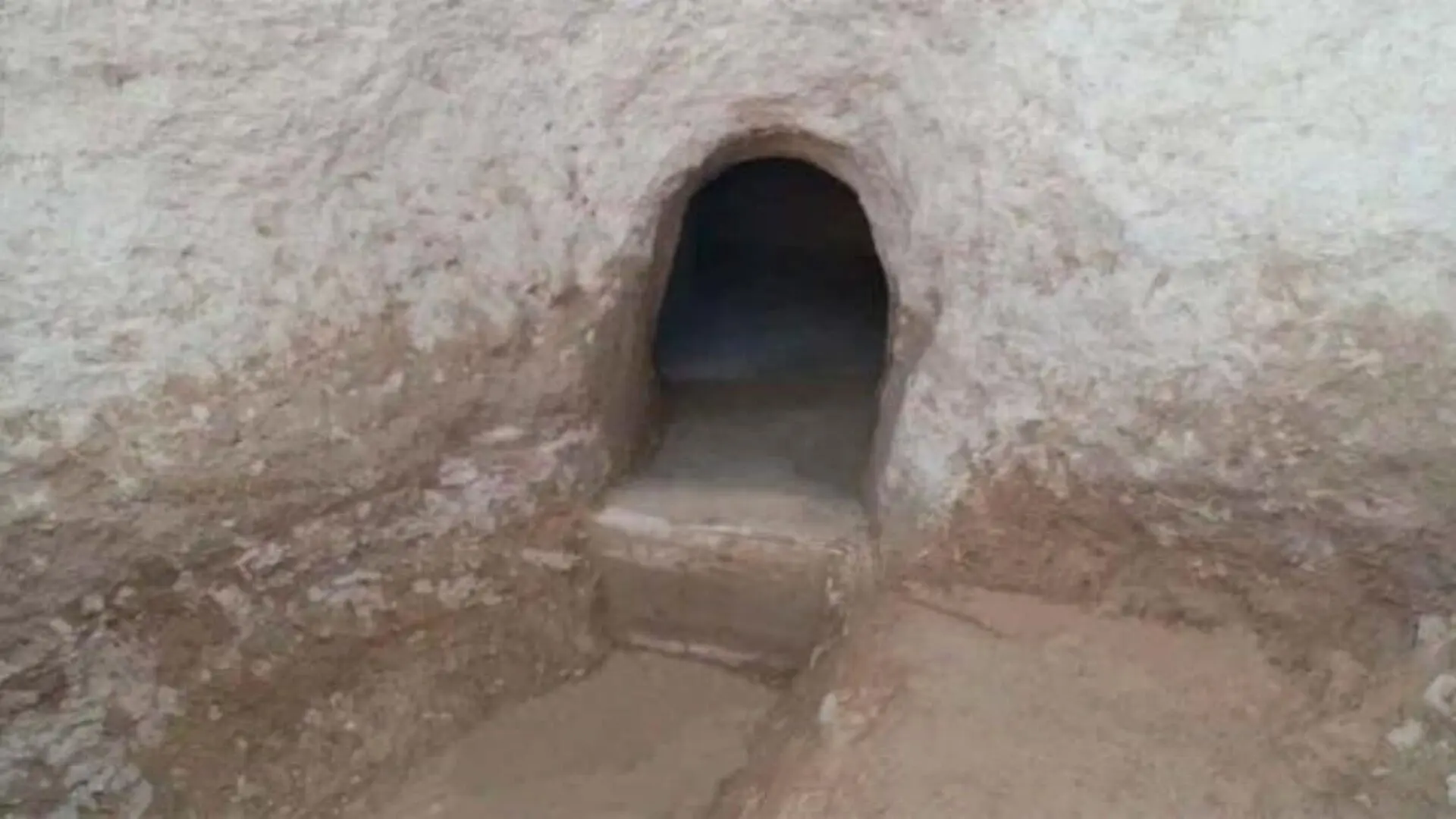
Archaeologists have uncovered a sophisticated system of underground passages beneath Houchengzui Stone City in Inner Mongolia, offering fresh insights into the scale of Neolithic urban design in northern China.
Situated on the northern bank of the Hun River, the fortified settlement dates to roughly 4,300‑4,500 years ago and spans approximately 340 acres. While its stone walls and defensive layout were already known, recent work has revealed an additional hidden dimension to the site.
First recorded in 2005, systematic excavation of the site began in 2019. Early phases exposed a concentric arrangement of an inner and outer city, fortified gatehouses and surrounding trenches, all indicating a deliberate strategy to safeguard inhabitants. In 2023, a deeper layer of the city emerged.
Subterranean Corridor Network Mirrors Surface Fortifications
During the 2023 digs, researchers identified six interlinked tunnels that run beneath the settlement. The Institute of Archaeology of the Chinese Academy of Social Sciences, reporting through the Inner Mongolia Autonomous Region Institute of Cultural Relics and Archaeology, noted that the tunnel layout parallels the circular plan of the city above.
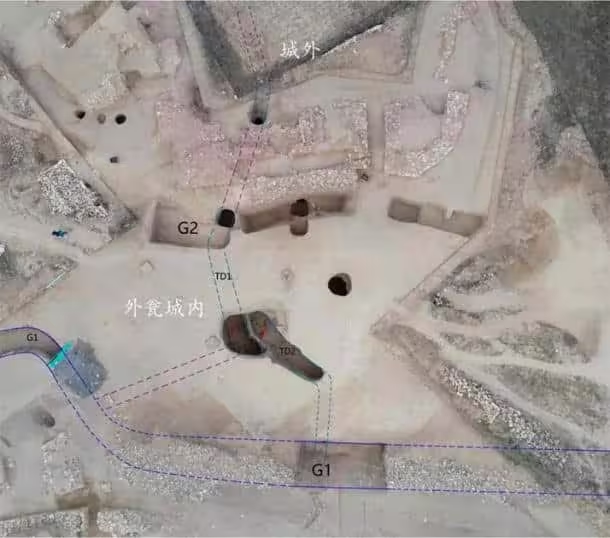
The passages lie at varying depths, ranging from roughly five feet to almost twenty feet below ground. Each tunnel maintains a uniform profile—about six feet in height, four feet in width, and capped with a carefully constructed arched ceiling.
Extending from the city’s core, the corridors pass beneath walls and gates before continuing past the outer defensive ring, forming a branching network that appears deliberately integrated into the overall layout rather than a later addition.
Unexpected Scale of Neolithic Planning
While a single subterranean passage at a Neolithic site would already be noteworthy, the discovery of six consistently dimensioned tunnels linked to key defensive features is unprecedented. The sheer organization of the network has prompted scholars to reassess the complexity of ancient construction projects.
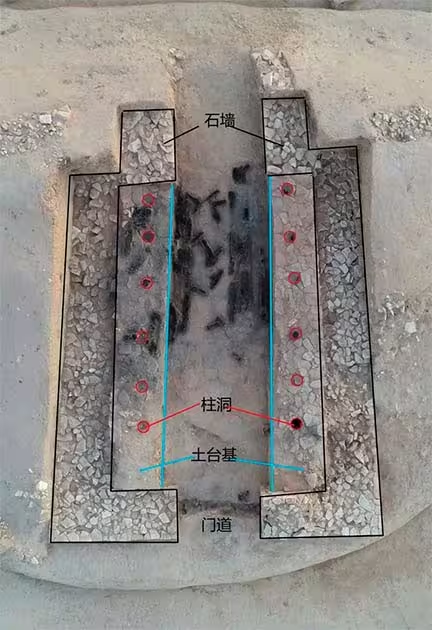
According to China Daily, Sun Jinsong, director of the Inner Mongolia Academy of Cultural Relics and Archaeology, explained that one tunnel links the inner barbican to the exterior of the settlement, while another provides direct access to the surrounding moat.
These findings complement earlier excavations that identified the Main City Gate, the Urn City Gate, the Outer Urn City Gate and a series of defensive trenches protecting critical entrances and walls.
Potential Functions of the Underground Routes
Researchers propose that the tunnels may have served dual military and commercial roles, facilitating the covert movement of supplies or goods beneath the fortified perimeter.
Their dimensions allow a person bearing equipment to pass comfortably, yet remain narrow enough to be defensible if needed. Sun Jinsong further noted that the design of Houchengzui Stone City’s gates resembles later earthen architectural sites in China’s Central Plains, suggesting interaction and knowledge exchange among distant communities.
the design of Houchengzui Stone City’s gates “resembles other earthen architectural ruins (from centuries later) in China’s Central Plains region”. He added that those similarities “demonstrated communication among peoples across the regions.”
Also ReadInside a Mine in India, Scientists Unearth 15-Meter-Long Snake Fossil, Rivalling Titanoboa in Size
This article has been fact checked for accuracy, with information verified against reputable sources. Learn more about us and our editorial process.
Last reviewed on .
Article history
- Latest version
Reference(s)
- <http://kaogu.cssn.cn/zwb/xccz/202312/t20231228_5723249.html>.
- “Houchengzui stone ruins offer glimpse into prehistoric civilizations.” <https://govt.chinadaily.com.cn/s/202209/19/WS6327c294498ea274927a38e3/houchengzui-stone-ruins-offer-glimpse-into-prehistoric-civilizations.html>.
Cite this page:
- Posted by Zara Tariq