Spraying Vinegar Around the Toilet: Why Experts Recommend It and What It’s Good For
Regular vinegar use and a well-planned disinfection schedule can transform both the scent and hygiene of your bathroom.
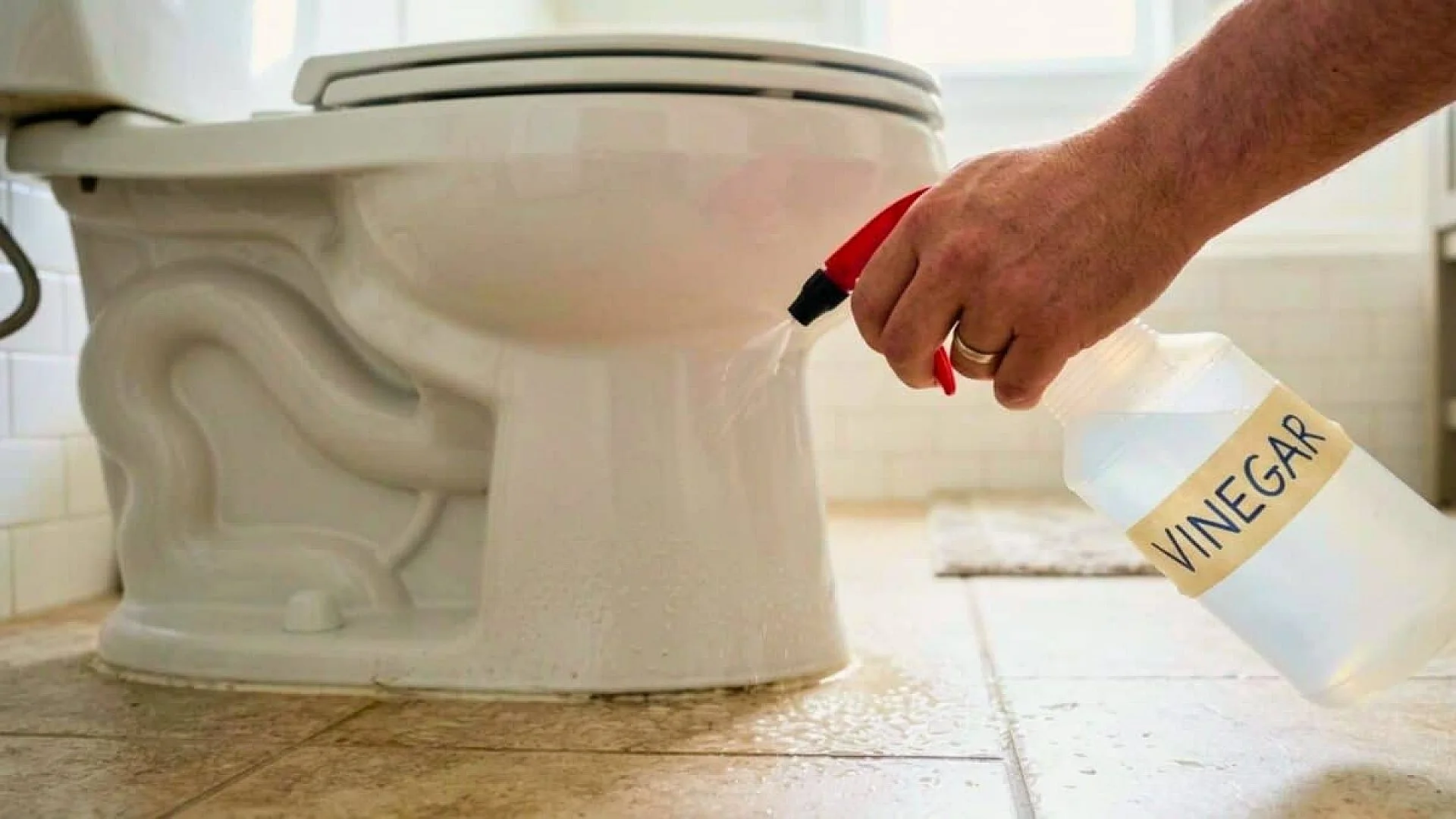
It’s the small things that often get overlooked in our cleaning routine. A tiny puddle, a faint yellow edge, and a lingering smell that refuses to go away. Most of us focus on cleaning the toilet bowl, but the area around it often gets ignored, allowing problems to fester.
However, by incorporating a simple yet effective technique, we can flip this habit and treat the entire area as part of our cleaning zone. Spraying white vinegar around the base of the toilet, across the surrounding floor, and behind the fixture is a game-changer. This method is recommended by household cleaning specialists for bathrooms with heavy use or stale air.
The logic behind this approach is straightforward. White vinegar possesses potent antibacterial and deodorizing properties that can neutralize urine odors and slow bacterial regrowth in grout lines and floor seams. It also dissolves the mineral film left by hard water and humidity, which can lead to unsightly yellowish staining over time.

The routine itself is quick and easy. Simply spray the vinegar around the base of the toilet, across the surrounding floor, and behind the fixture. Let it sit for 10 to 15 minutes before wiping it clean with a damp cloth or paper towel. Stubborn patches may require a scrub brush, but some people prefer to add a few drops of lemon juice or essential oil for a pleasant scent.
What Else Gets Missed During a Quick Clean
While the vinegar habit is a great place to start, cleaning professionals point out several other areas that often get overlooked.
Carolyn Forté, executive director of the Good Housekeeping Institute Home Care & Cleaning Lab, emphasized the importance of giving cleaning products enough time to work. “Many surface-disinfectant products need to be left on surfaces for several minutes to kill germs,” she said. By shortening this dwell time, we leave germs behind and force harder scrubbing later.
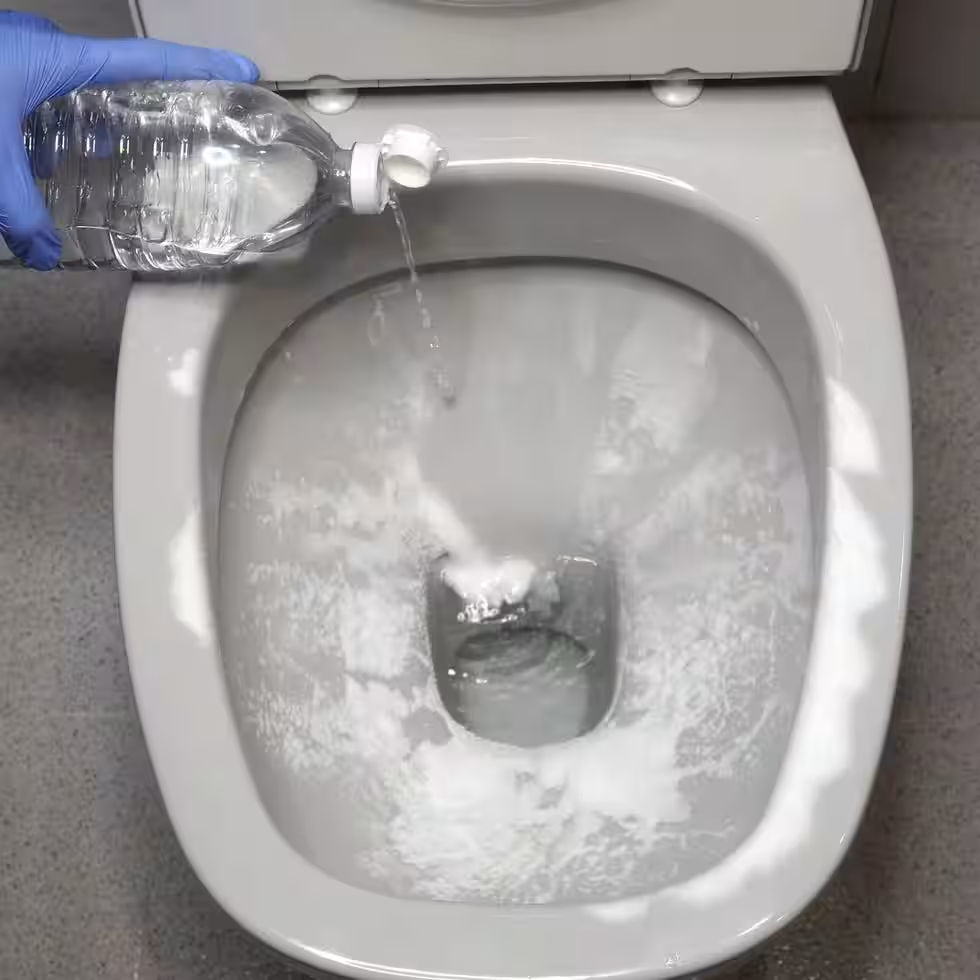
Forté recommends starting with the toilet bowl, applying a bleach-based toilet bowl cleaner and letting it sit for 5 minutes before flushing. This allows the product to do its job, rather than relying solely on scrubbing.
A Slower Fix for Hard Water Rings
For hard water stains, Forté suggests a different approach. She recommends pouring white vinegar into the toilet bowl, covering the water line, and letting it sit overnight. “The vinegar dissolves the minerals that build up there,” she explained.

In the morning, add 1 cup of baking soda and scrub with gloves. Flush and repeat if necessary. A shorter version involves stirring the vinegar and baking soda solution with a toilet brush and then rinsing.
How Often, and What to Do With the Brush Afterward
The frequency of cleaning depends on the level of use and risk. Forté recommends disinfecting the toilet every 2-3 days when someone in the home is sick, and once a week or every 2 weeks during healthy periods.
The tools themselves require attention. A brush stored wet in its holder can grow mold, so Forté suggests spraying it with disinfectant and hanging it between the seat and bowl to dry. Gloves and sponges should be soaked in a solution of 3 tablespoons of bleach per quart of water for 5 minutes before air-drying.
The key takeaway is that cleaning products need time to work, and by following these simple tips, we can create a cleaner, healthier environment.
This article has been fact checked for accuracy, with information verified against reputable sources. Learn more about us and our editorial process.
Last reviewed on .
Article history
- Latest version
Cite this page:
- Posted by Zara Tariq