Scientists Uncover 59,000-year-old Neanderthal Tooth In Siberian Cave That Shows Prehistoric Dental Skills
This prehistoric molar uncovered in Siberia demonstrates that Neanderthals possessed cognitive abilities and behaviors far more complex than previously recognized by scientists.
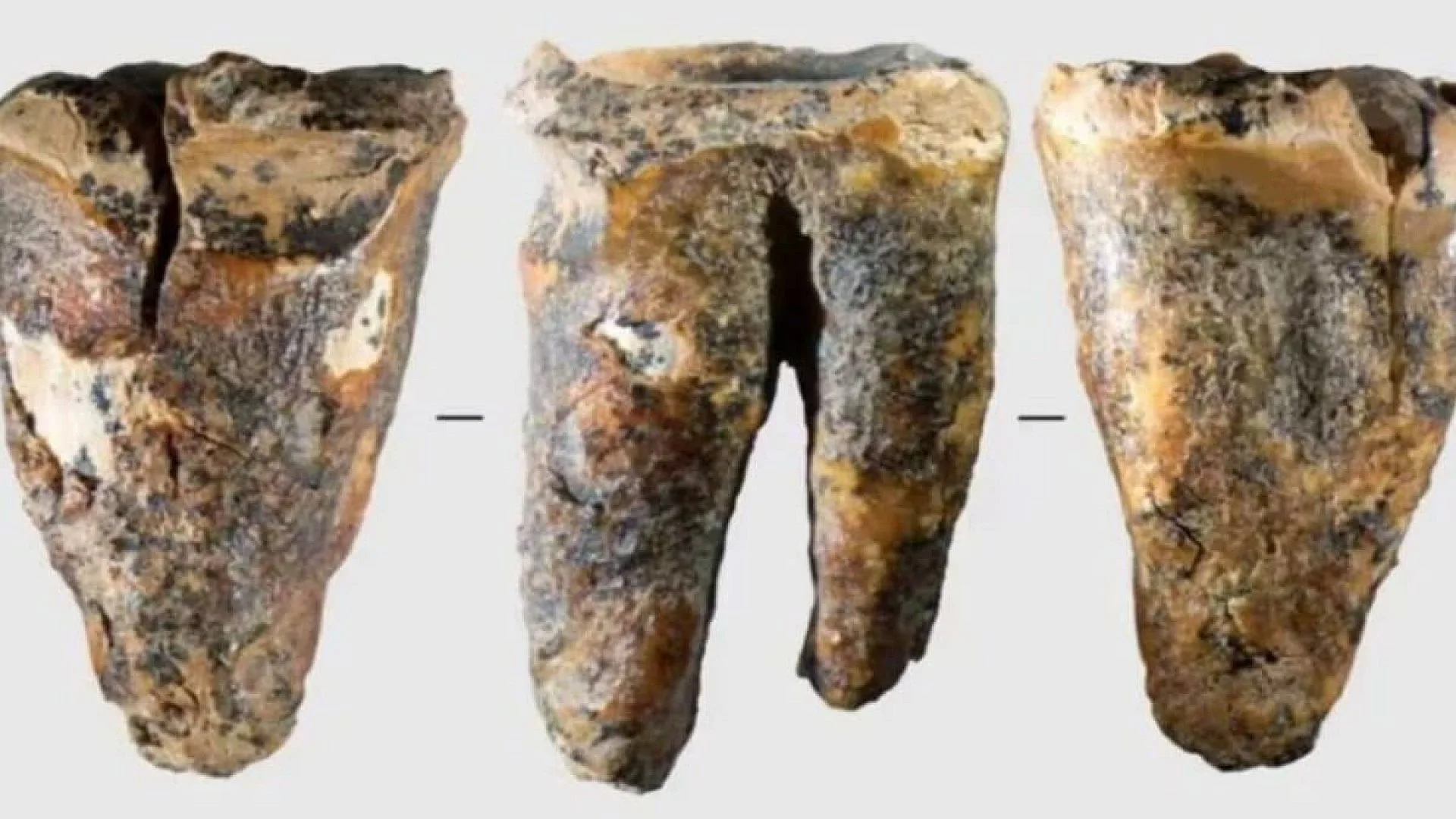
A 59,000-year-old Neanderthal molar unearthed in Siberia has sent shockwaves through the scientific community, providing a groundbreaking glimpse into the lives of our ancient cousins. The remarkably well-preserved tooth, discovered in the Chagyrskaya Cave in the Altai Mountains, boasts signs of a deliberate procedure to fix a cavity, a testament to the sophisticated dental care of Neanderthals.
According to CNN, the tooth, dubbed Chagyrskaya 64, was found in an area where Neanderthals inhabited between 49,000 and 70,000 years ago. The molar’s deep cavity, which reached the pulp chamber, would have caused immense pain, but the presence of unusual scratches and marks around the hole suggests that the Neanderthal who owned it underwent a deliberate treatment to alleviate the discomfort.
The Tools of the Trade
The discovery of stone tools in the cave, which matched the scratches on the tooth, provided crucial evidence of the Neanderthal’s dental procedure. Researchers from the PLOS One study recreated these tools using locally sourced jasper and tested them on modern human teeth, simulating the conditions of a real mouth. The results were astonishing – the recreated tools were able to remove decayed tissue and reach the pulp chamber, reducing pain and discomfort.
Lead researcher Lydia Zotkina and her team were amazed by the Neanderthal’s understanding of pain and their ability to take action to alleviate it. The wear patterns on the tooth suggest that the individual survived the procedure and continued to use the tooth, demonstrating a remarkable level of resilience and determination.
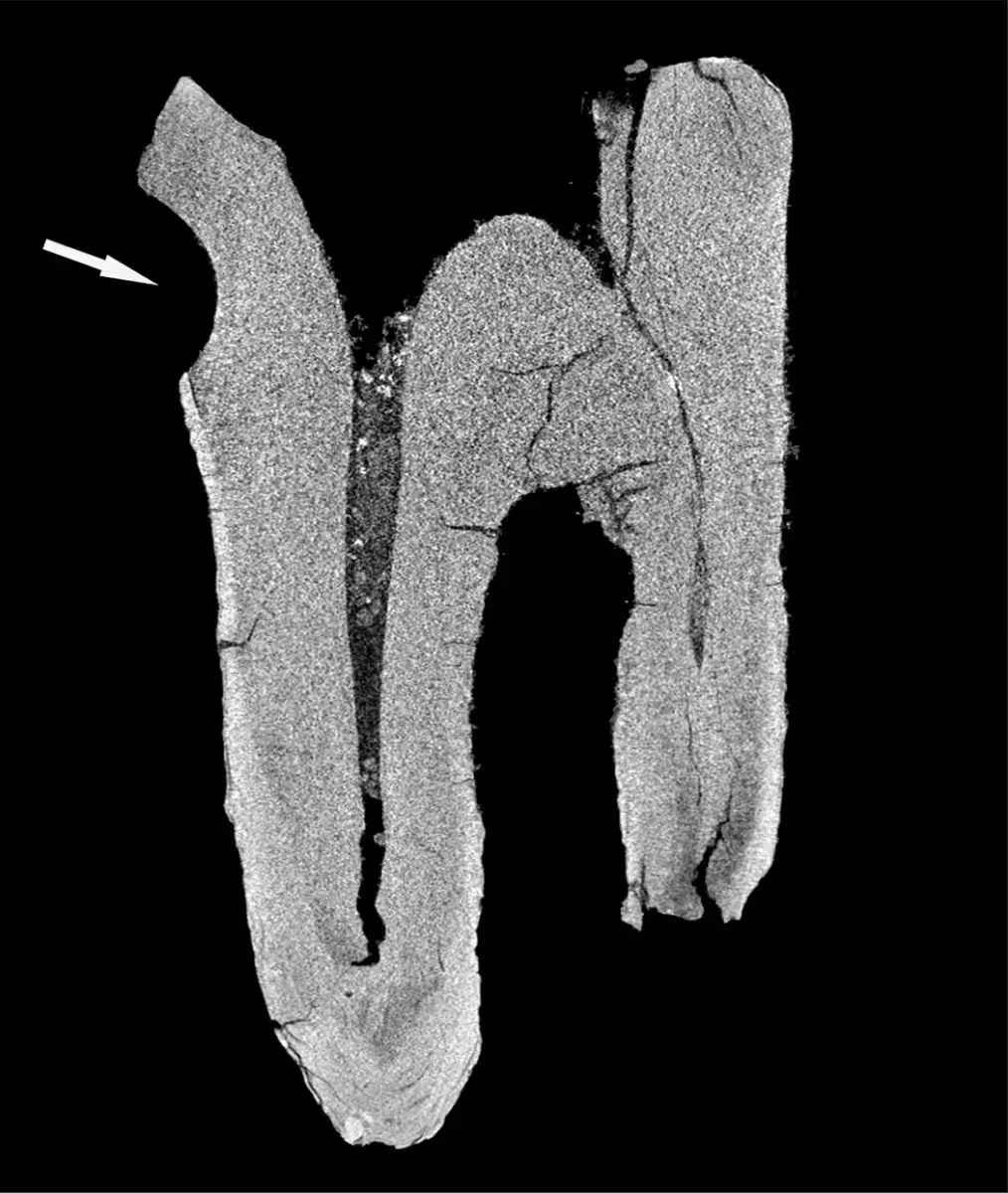
The study’s findings have significant implications for our understanding of Neanderthal behavior and their relationship with pain. According to CNN, the procedure was precise and technically advanced, demonstrating a level of sophistication that was previously unknown. Anatomy professor Gregorio Oxilia highlighted that invasive medical care was not exclusive to modern humans but shared with Neanderthals, challenging our previous assumptions about their level of cognitive and technical abilities.
A New Perspective on Neanderthals
The discovery of the 59,000-year-old Neanderthal molar has opened a new chapter in our understanding of these enigmatic creatures. The study suggests that Neanderthals were capable of identifying pain, taking action to alleviate it, and surviving the process, demonstrating a level of resilience and determination that was previously unknown. As we continue to uncover the secrets of our ancient cousins, we are reminded of the complexity and sophistication of their lives, and the importance of reevaluating our assumptions about their behavior and abilities.
This article has been fact checked for accuracy, with information verified against reputable sources. Learn more about us and our editorial process.
Last reviewed on .
Article history
- Latest version
Cite this page:
- Posted by Zara Tariq