Stone Inscription Names Odysseus, Unveiling a Forgotten Cult on Ithaca
Archaeologists uncover a millennium‑old Odysseus sanctuary on northern Ithaca, revealing inscriptions, ritual objects and long‑standing cult evidence.
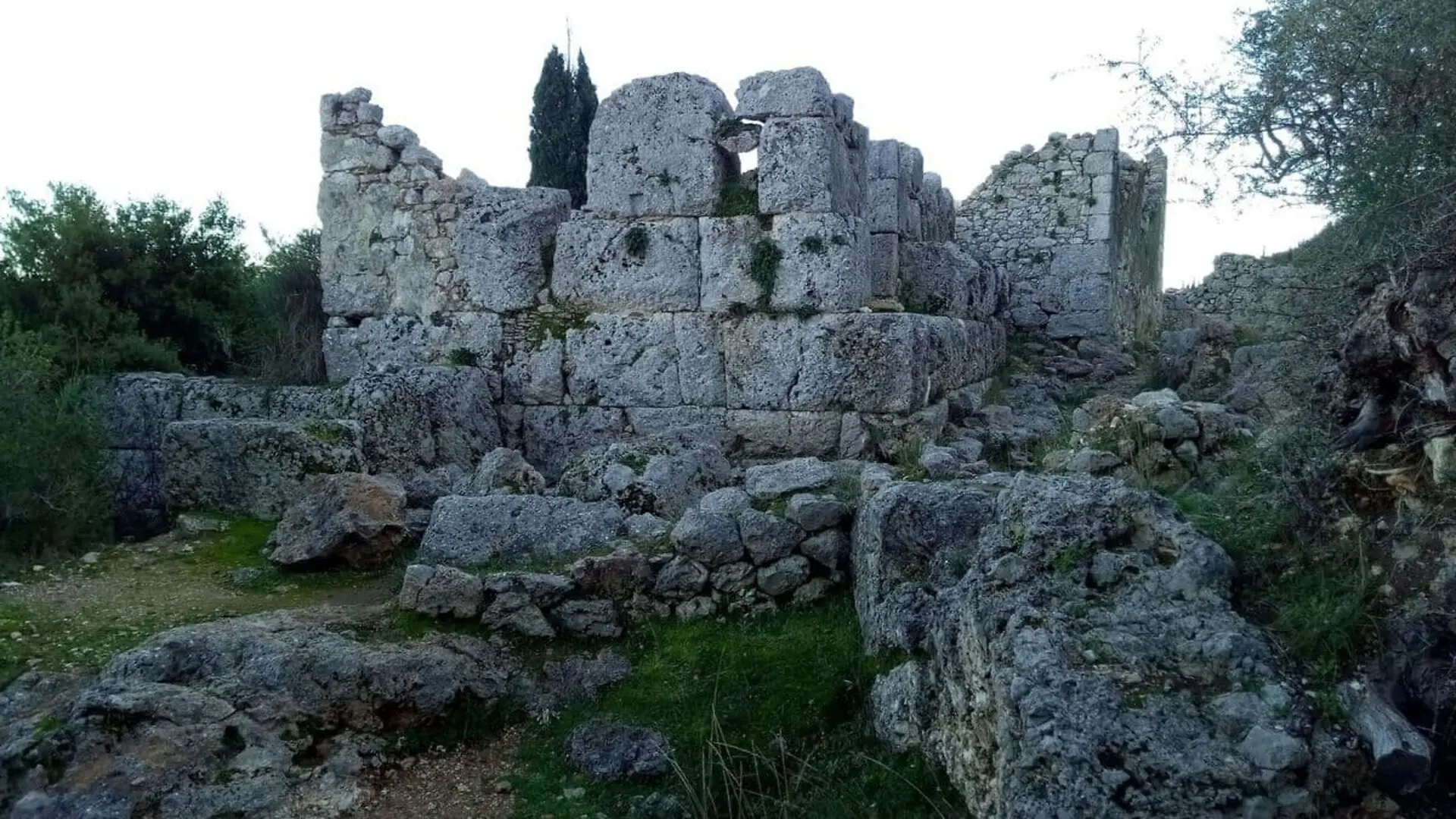
For more than two hundred years the hill of Agios Athanasios has been called the “School of Homer.” Recent archaeological work has explored how ancient storytellers linked the landscape to mythic figures, showing that while Odysseus cannot be confirmed as a historical individual, the hero was revered as an object of cult worship.
The investigation was directed by Professor Emeritus Giannos G. Lolos, with Dr. Christina Marambea of the University of Ioannina contributing to the fieldwork. According to the Greek Ministry of Culture, the material uncovered now permits a confident identification of the site as the Odysseion, a sanctuary dedicated to Odysseus referenced in a second‑century BCE decree from Magnesia in Asia Minor.
The find enriches our understanding of how myth shaped public life in classical Greece. Odysseus, celebrated in Homer’s epics as a cunning commander and a wanderer who spent a decade seeking his home, evolved into a symbol of perseverance and local belonging for later generations.
Newly Identified Sanctuary Unveils Multi‑Century Layers
Beneath these later phases, archaeologists uncovered a corbelled stone cistern hewn directly from the bedrock. Radiocarbon analysis places the cistern in the 14th–13th century BCE, a Mycenaean era, and it represents one of the few such installations known across the Aegean, according to Dr. Marambea.
Associated pottery shards and the engineering of the cistern indicate that the location served a broader regional function, possibly overseeing nearby harbors and fresh‑water distribution rather than acting solely as a settlement.
Even earlier traces of human activity have been recovered. Flint implements and ceramic fragments from the Final Neolithic period, dating to the late fifth–fourth millennia BCE, demonstrate that the hill was already occupied long before any later Odysseus‑related traditions emerged.
Epigraphic Finds Point to an Odysseus Cult
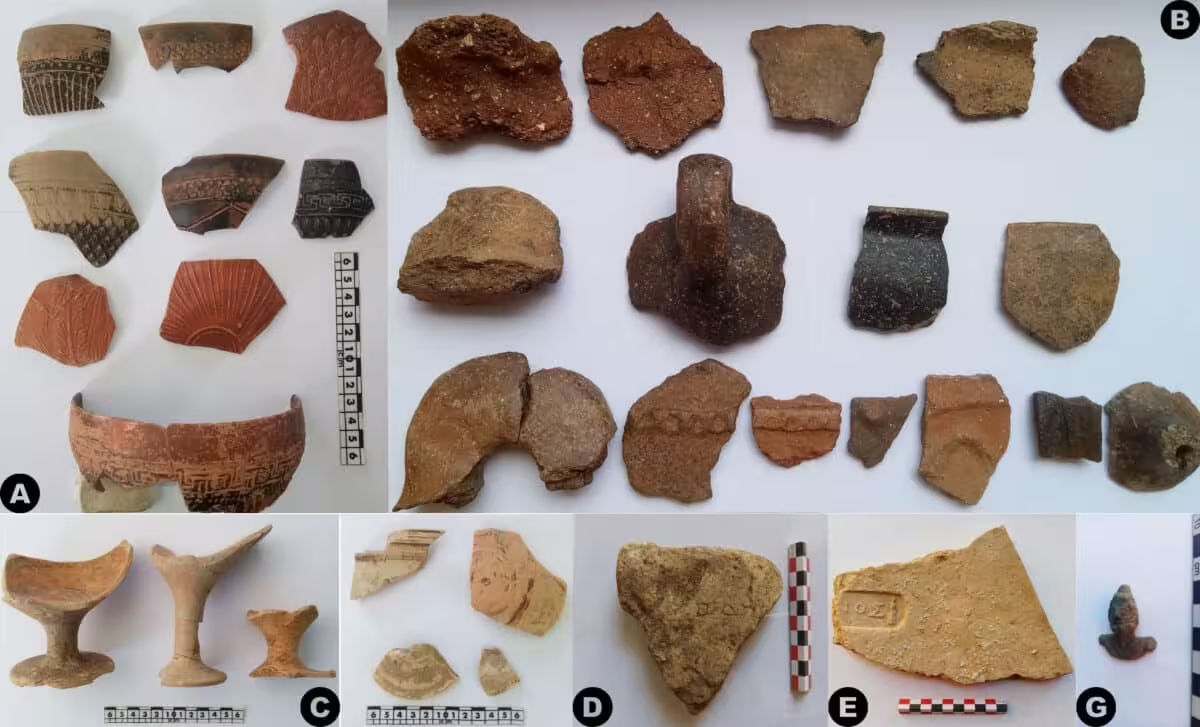
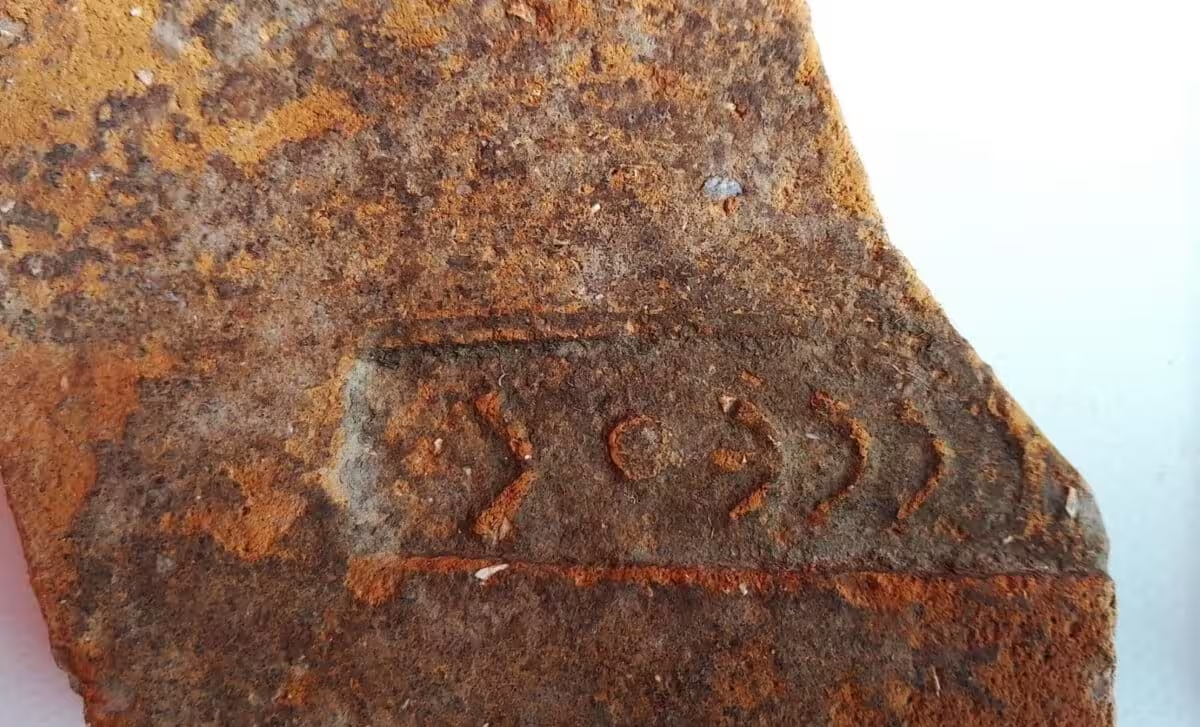
The most compelling proof linking the complex to the legendary hero comes from a series of inscriptions. Excavators recovered fourteen stamped roof tiles and several inscribed fragments bearing variants of the name Odysseus.
One piece bears the genitive “ΟΔΥCCEOC,” translating to “of Odysseus,” while another displays “ΟΔΥCCEI,” interpreted as a dedication “to Odysseus.” These finds echo an earlier discovery at Polis Bay on Ithaca, where a votive mask inscribed “ΕΥΧΗΝ ΟΔΥCCΕΙ” (“a vow to Odysseus”) was recovered from a cave.
The Greek Ministry of Culture states that the epigraphic evidence confirms the area functioned as a sanctuary where worshippers honored Odysseus through ritual offerings. Among the material culture is a miniature bronze bust that matches depictions of Odysseus found on fourth‑ and third‑century BCE coinage.
The sanctuary appears to have been active from the Hellenistic era through the early Roman period, roughly spanning the third century BCE to the second century CE. Excavators also documented ritual vessels, thirty‑four votive fragments, loom weights, spindle whorls, and more than one hundred Greek and Roman coins.
The diversity of coinage suggests a wide catchment of pilgrims, while the presence of weaving implements hints at female participation in the cult, possibly invoking the figure of Penelope, Odysseus’ wife in the epic narrative.
The Ongoing Search for Homer’s Ithaca
The Agios Athanasios discovery has reignited scholarly debate about the correspondence between Homeric geography and actual topography. While archaeologists refrain from asserting that Odysseus ever walked these stones, the sanctuary demonstrates how ancient communities built religious practice around his legendary persona.
In a 2026 feature for Archaeology magazine, excavation director Giannos G. Lolos described the inscriptions, the bronze bust, and the stamped tiles as “conclusive evidence” for identifying the complex as Ithaca’s Odysseion.
For the time being, the material unearthed at Agios Athanasios confirms that Ithacan inhabitants linked this rugged hill to the mythic hero and maintained a dedicated cult for centuries. The site offers a tangible illustration of how stories can become embedded in public rites, local identity, and the very landscapes people inhabit.
This article has been fact checked for accuracy, with information verified against reputable sources. Learn more about us and our editorial process.
Last reviewed on .
Article history
- Latest version
Cite this page:
- Posted by Zara Tariq