Construction Workers Unearth 200+ Medieval Skeletons Beneath Ghent’s Spanish Castle
Over 200 skeletons uncovered at a Ghent site reveal a lost medieval neighborhood wiped out by an emperor 500 years ago.
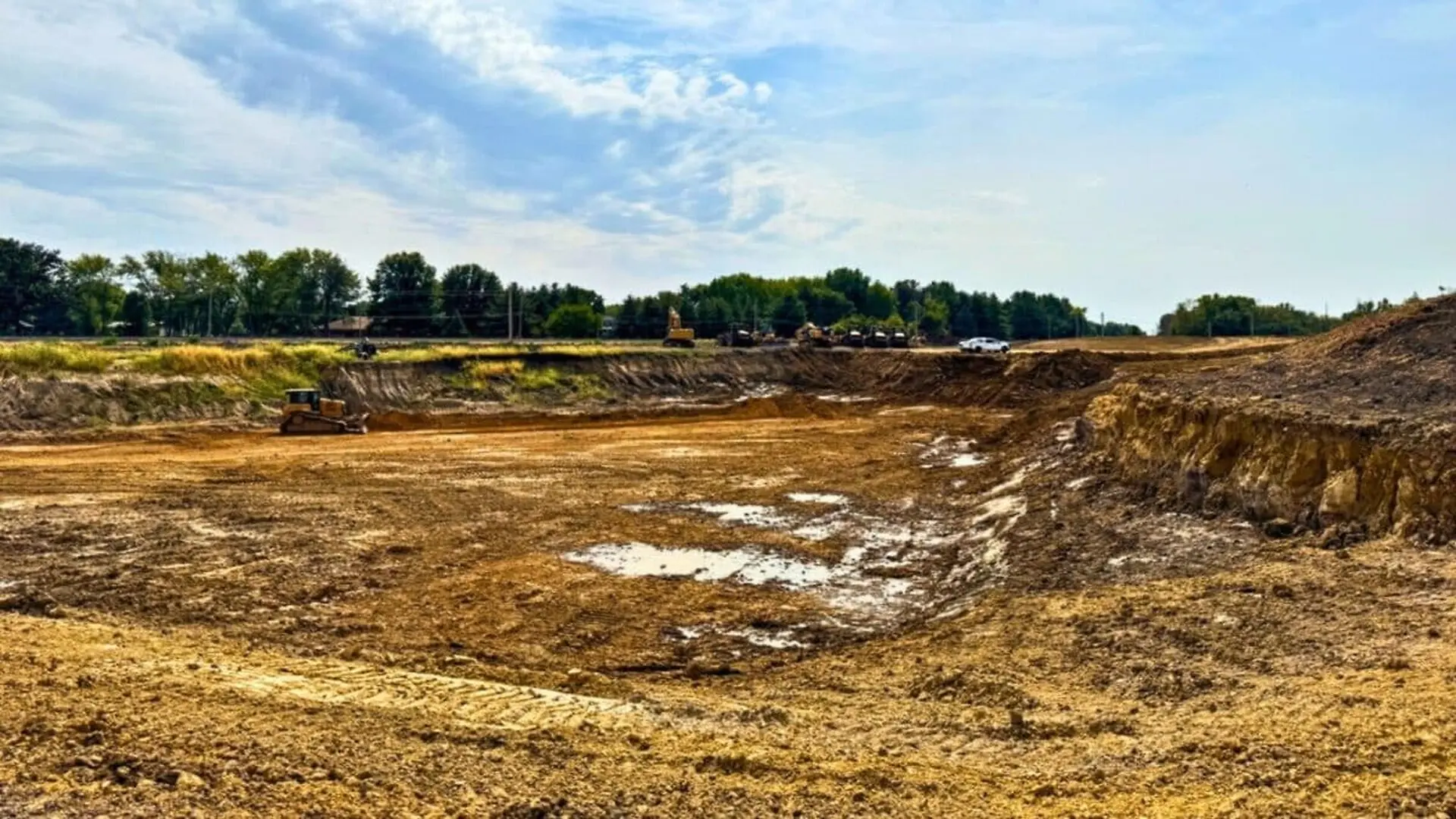
During construction on Spaanskasteelplein in Ghent, archaeologists uncovered a buried medieval quarter that once lay beneath the former Spanish Castle. The dig revealed a cemetery with over 200 human remains, stone foundations of a church, remnants of military housing, everyday objects, and organic material preserved in an ancient waste pit.
These strata span several eras of Ghent’s past. The burial ground and church originally stood close to St Bavo’s Abbey until Emperor Charles V ordered the demolition of the district in 1540. A fortification was subsequently erected, encapsulating portions of the earlier settlement beneath its walls and defenses.
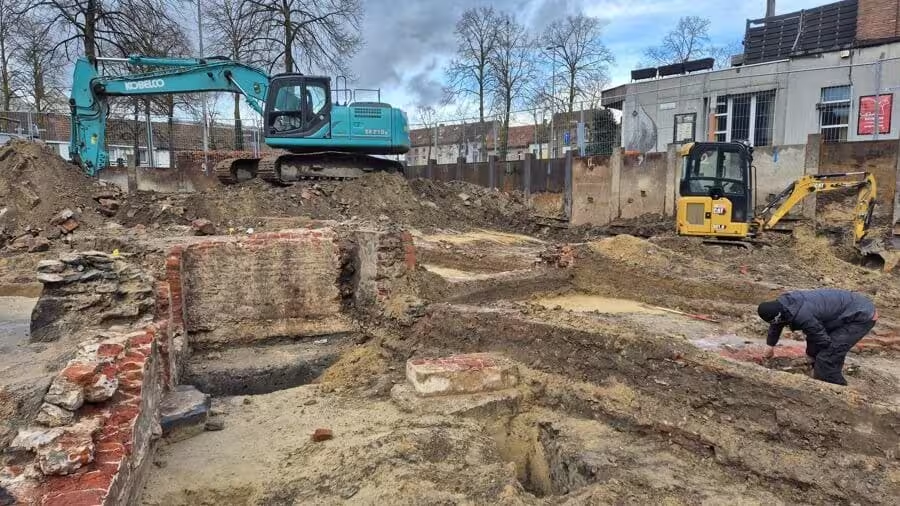
Artifacts linked to the later garrison—such as glass vessels, fragments of wine bottles, animal bones, seeds, and pollen—were recovered from waterlogged deposits. The lack of oxygen in the saturated soil slowed the decay of wood and other organic matter, preserving these materials for centuries.
The Spanish Fortress Concealed an Earlier Urban Landscape
The so‑called Spanish Castle, or Spanjaardenkasteel, rose after a confrontation between Ghent’s citizens and Charles V. When residents resisted increased taxation, the emperor ordered the demolition of St Bavo’s Abbey and the surrounding settlement. According to the official history of St Bavo’s Abbey, the fortress served as a punitive symbol following the Ghent uprising.
The demolition erased the district’s original layout: churches, homes, streets, and burial plots vanished beneath the new military complex. Stone from the razed buildings was repurposed in the castle’s construction, with decorative fragments incorporated into walls or used as fill.
Because the later fortifications limited deep excavation, portions of the earlier neighborhood survived while other areas of Ghent were repeatedly rebuilt. Lead archaeologist Geert Vermark described the site as “a real treasure trove,” highlighting the rare preservation of pre‑castle structures.
Excavators identified stone alignments that traced former buildings, lanes, and property boundaries. The discovery of church foundations adjacent to the cemetery provided a fixed reference point, allowing researchers to map the medieval community that once surrounded the abbey.
A Medieval Burial Ground Holds Adults and Children
More than 200 skeletons were uncovered in orderly rows beside the church remnants. The interments include men, women, and children of varying ages, suggesting a civilian parish cemetery rather than a military burial site.
Radiocarbon dating places the graves between the 13th and 16th centuries, aligning with the period before the 1540 demolition. Some individuals may have been affiliated with the religious community of St Bavo’s Abbey, while others likely belonged to the surrounding lay population.
Bioarchaeologists will analyze the bones and teeth for markers of age, disease, trauma, nutrition, and repetitive stress, reconstructing aspects of daily life for the medieval residents.
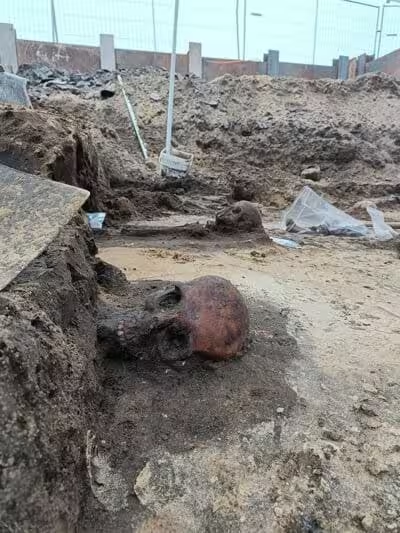
Chemical signatures locked in the skeletal material may also reveal dietary habits and living conditions, though such analyses will require careful laboratory work after the field season concludes.
The combination of organized graves, church foundations, and nearby building traces situates the cemetery within a broader, inhabited district centered on the abbey, rather than as an isolated burial plot.
Military Quarters Yield Food Waste, Glassware, and Wooden Remains
Above the medieval layers, archaeologists uncovered walls belonging to the fortress’s garrison housing. Lead researcher Robby Vervoort linked these structures and associated artifacts to the soldiers who occupied the site.
“There are many traces that point to their presence,” Vervoort explained. “Further research is needed, but there are some great artifacts.” The quotation appears in the VRT NWS excavation report.
One of the most informative features is a cesspit—a subterranean chamber that collected human waste and discarded domestic material. Inside, researchers recovered glass bowls, wine‑bottle shards, animal bones, seeds, and plant pollen, offering a snapshot of the fortress’s everyday consumption and waste disposal.
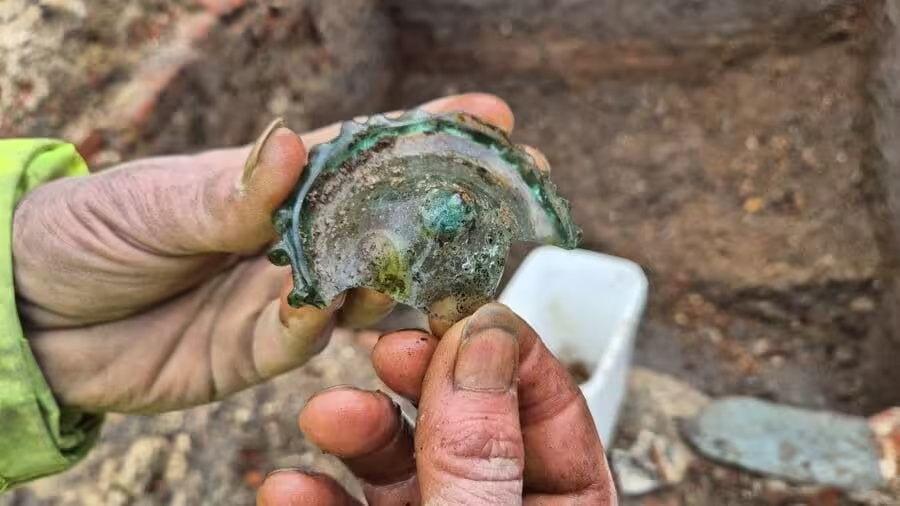
Animal bone fragments can identify the types of meat consumed, while seeds and pollen preserve evidence of crops, fruits, herbs, or other vegetation. The glassware will be examined for form, production technique, and intended use, distinguishing drinking vessels from storage or serving containers.
A waterlogged wooden bridge crossing the inner moat also survived, thanks to the anaerobic conditions that inhibit fungal decay. The same environment protected organic material within the cesspit for several centuries.
Additional finds include a small devotional figurine and artifacts predating the medieval settlement, such as Roman ceramics, metal items, household pottery, and flint tools, indicating continuous occupation of the site long before the Spanish Castle’s construction.
Origins of St Bavo’s Abbey Reach Back to the 7th Century
St Bavo’s Abbey traces its foundation to the 7th century, when Amand of Ghent established a monastic community to evangelize the local population. The complex later expanded to include a Romanesque church and attained its zenith in the 11th century.
Visit Gent notes that a portion of the city’s oldest surviving wall still stands at the abbey site. While the original church no longer exists, its footprint is marked by shrubs and hornbeam columns, and a concrete platform now occupies the former altar location.
In 1540, Charles V ordered the demolition of the abbey and its surrounding village, replacing them with the Spanish fortress—a stark reminder of Ghent’s defeat. The castle remained until its removal in the 19th century.
The archaeological investigation concluded in early March 2026. While new apartments are planned for the site, a portion will remain free of basements to preserve the uncovered layers for future study.
“We are leaving everything untouched,” Vervoort said regarding the protected section. “We believe that the archaeologists of the future will have much better tools at their disposal.”
This article has been fact checked for accuracy, with information verified against reputable sources. Learn more about us and our editorial process.
Last reviewed on .
Article history
- Latest version
Reference(s)
- “St Bavo’s Abbey.” Visit Gent <https://visit.gent.be/en/see-do/st-bavos-abbey-hidden-oasis>.
- Clapson, Colin. “Archaeological treasure trove uncovered at Ghent’s Spanish Castle | VRT NWS: news.”, February 19, 2026 VRT NWS <https://www.vrt.be/vrtnws/en/2026/02/19/archaeological-treasure-trove-uncovered-at-ghents-spanish-castle/>.
Cite this page:
- Posted by Hassan Raza