New Study Shows Firefly Brightness Overestimated By 1,000×
Study overturns a century‑old firefly brightness estimate, showing past measurements exceed what their biochemistry can actually produce.
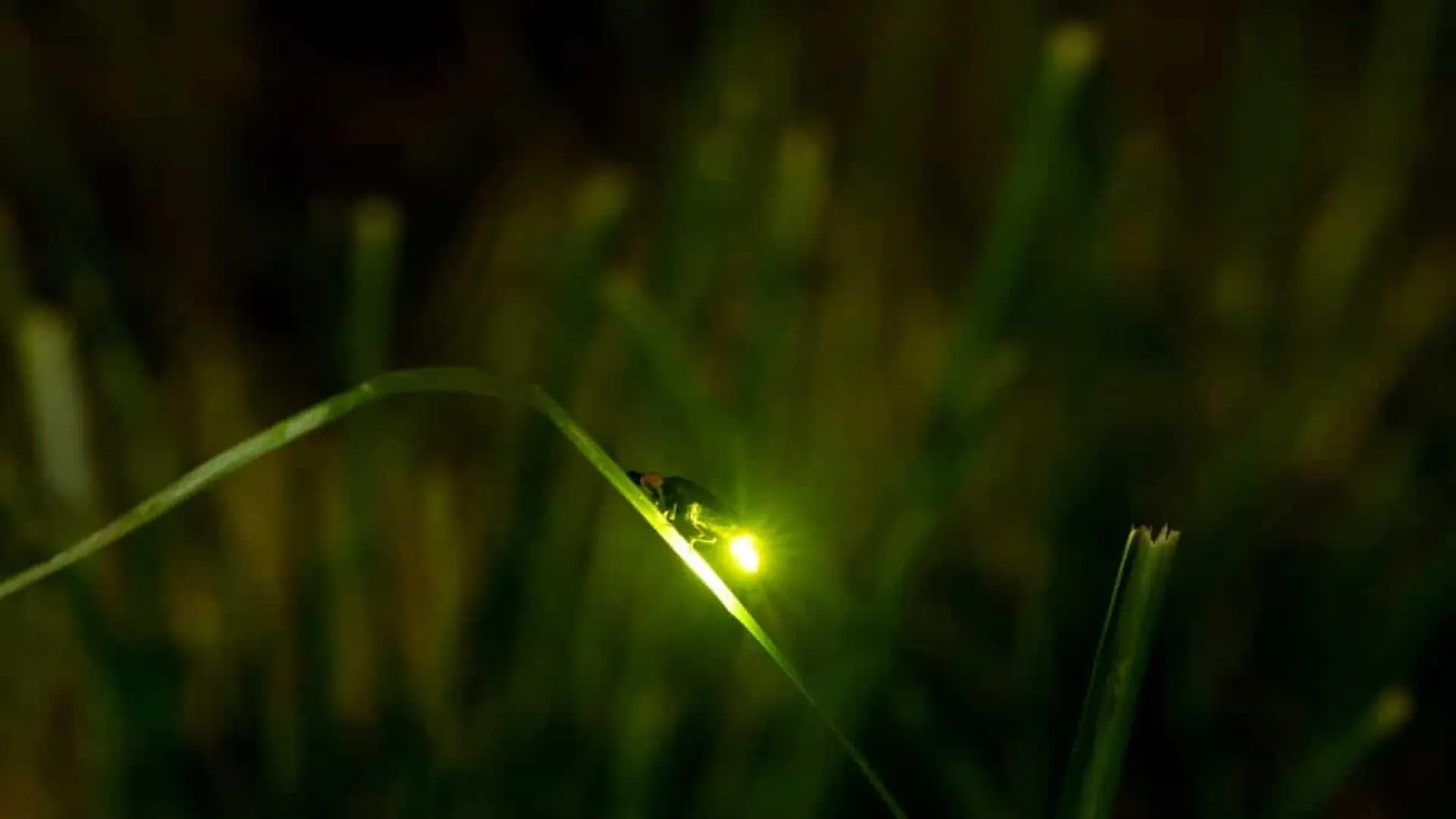
Fireflies create their iconic glow through specialized lanterns that house photocytes loaded with luciferin and luciferase. When oxygen meets calcium, ATP, luciferin and luciferase, a chemical reaction emits a cold light that does not overheat the insect.
The insects carefully control oxygen flow, enabling the reaction to produce visible flashes without damaging their tissues.
Attempts to quantify this light date back to the early 20th century. In 1912, American physicist William Coblentz, a pioneer in radiometry, examined the common firefly Photinus pyralis and expressed its output in “candles.”
Revisiting a Century‑Old Brightness Estimate
Coblentz concluded that a single firefly emitted between 1/50th and 1/400th of a candle’s power. When measurement units later shifted, this range was loosely translated to roughly one milliwatt, or about 1/40th of a candle.
Contemporary research prefers absolute photon counts, converting the old milliwatt figure into an often‑quoted range of 10¹³ to 10¹⁴ photons per flash.
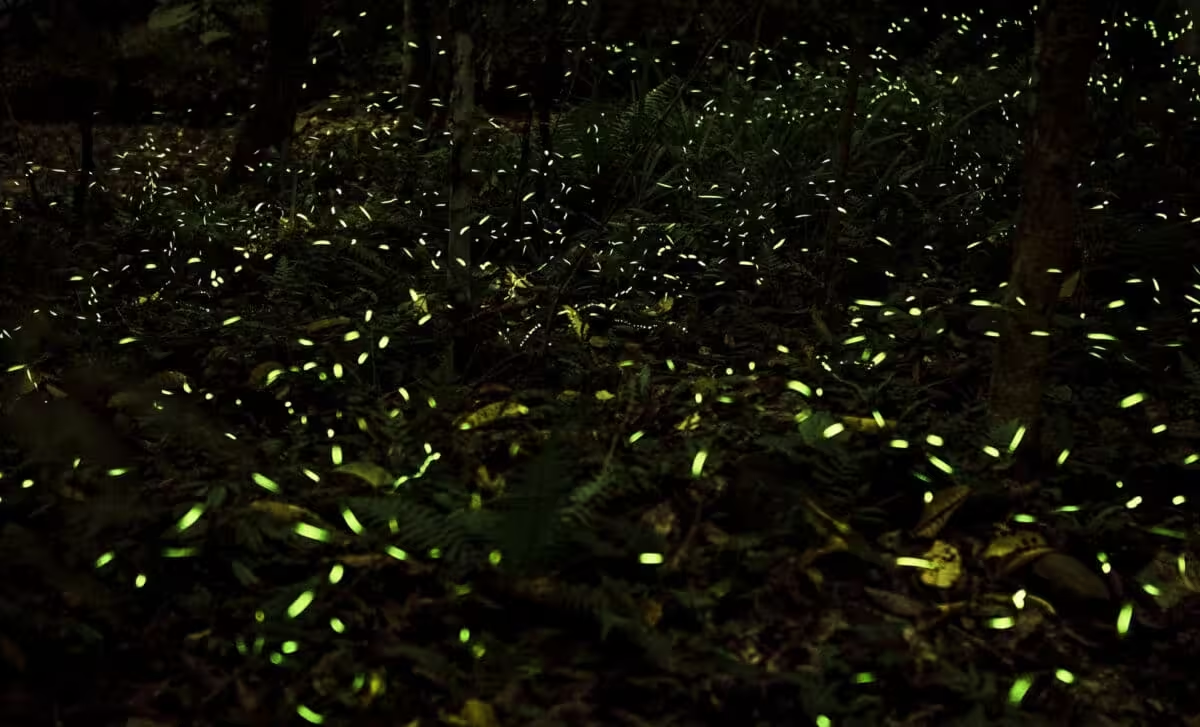
The figure persisted for decades. David Silver, a machine‑learning researcher at Remiza AI in New York, questioned whether the long‑standing number truly reflected the underlying biochemistry of firefly luminescence.
“The textbook brightness didn’t match the biochemistry by two to three orders of magnitude,” Silver told AIP. “A number off by that much for a century is worth knowing about.”
Field Test Challenges Conventional Numbers
To test the historic estimate, Silver used a modest $30 lux meter while accompanying a photographer to a Malaysian firefly habitat.
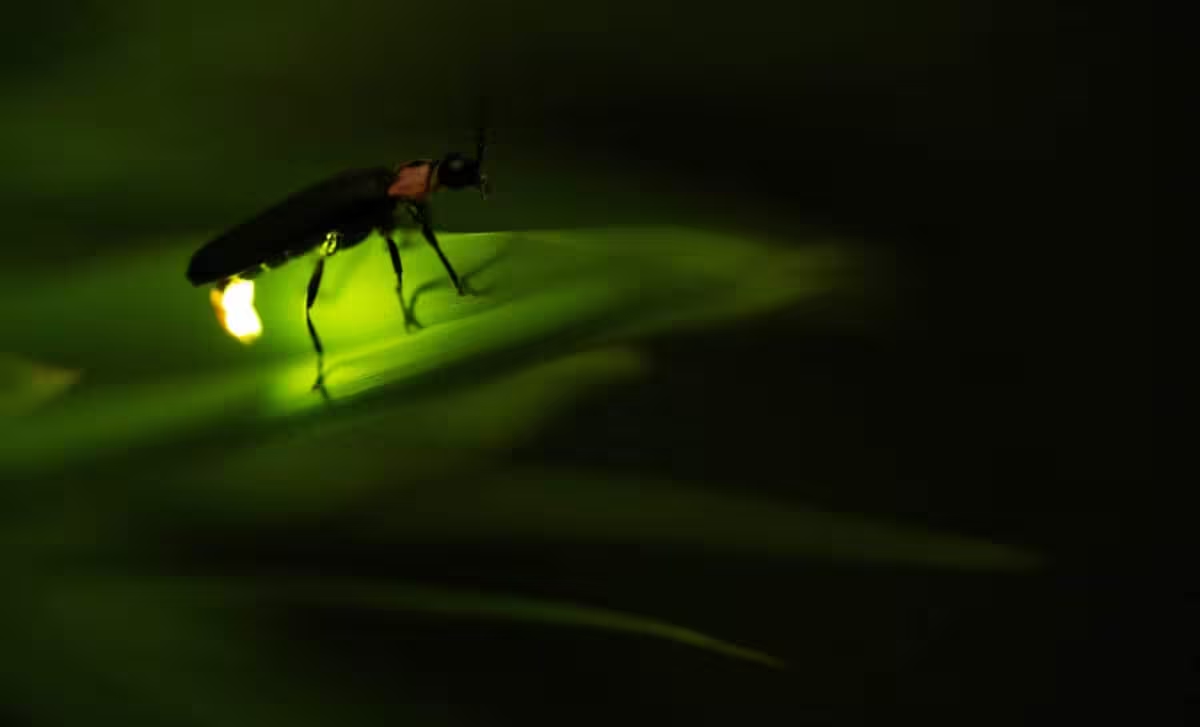
He also calculated the quantum efficiency of the luciferin‑luciferase reaction and revisited Coblentz’s original report alongside later studies. The analysis revealed that the classic estimate exceeded the biochemical ceiling of the reaction.
“Even if every enzyme fires once and every reaction makes a photon, you cap out near 10¹¹,” Silver explained to AIP. “There is simply no biochemical room for 10¹⁴.”
The findings, published in the American Journal of Physics, suggest that the accepted brightness value was inflated by several orders of magnitude. The work does not diminish the visual impact of firefly displays, but it refines how their intensity is calculated.
Implications for Firefly Biology
Firefly illumination relies on a tightly regulated cascade involving oxygen, calcium, ATP, luciferin and luciferase. The revised brightness estimate also informs our understanding of the insects’ visual perception, indicating that courtship signals may operate with less light than previously assumed.
The study highlights how legacy measurement conventions can persist long after their scientific relevance fades, prompting a re‑examination of firefly bioluminescence using modern, biology‑based calculations.
This article has been fact checked for accuracy, with information verified against reputable sources. Learn more about us and our editorial process.
Last reviewed on .
Article history
- Latest version
Reference(s)
- “How much light comes from a firefly?.”, June 26, 2026 AIP, doi: 10.1063/10.0043960. <https://www.aip.org/scilights/how-much-light-comes-from-a-firefly>.
- <https://pubs.aip.org/aapt/ajp/article/94/7/520/3395855/How-bright-is-a-firefly-Resolving-a-century-of>.
Cite this page:
- Posted by Hassan Raza