New 40‑Foot Hell Heron Spinosaurus With Sword‑Shaped Crest Unearthed In Sahara Marshes
A strange Sahara dinosaur challenges Spinosaurus theories, revealing a frightening new hunting method.
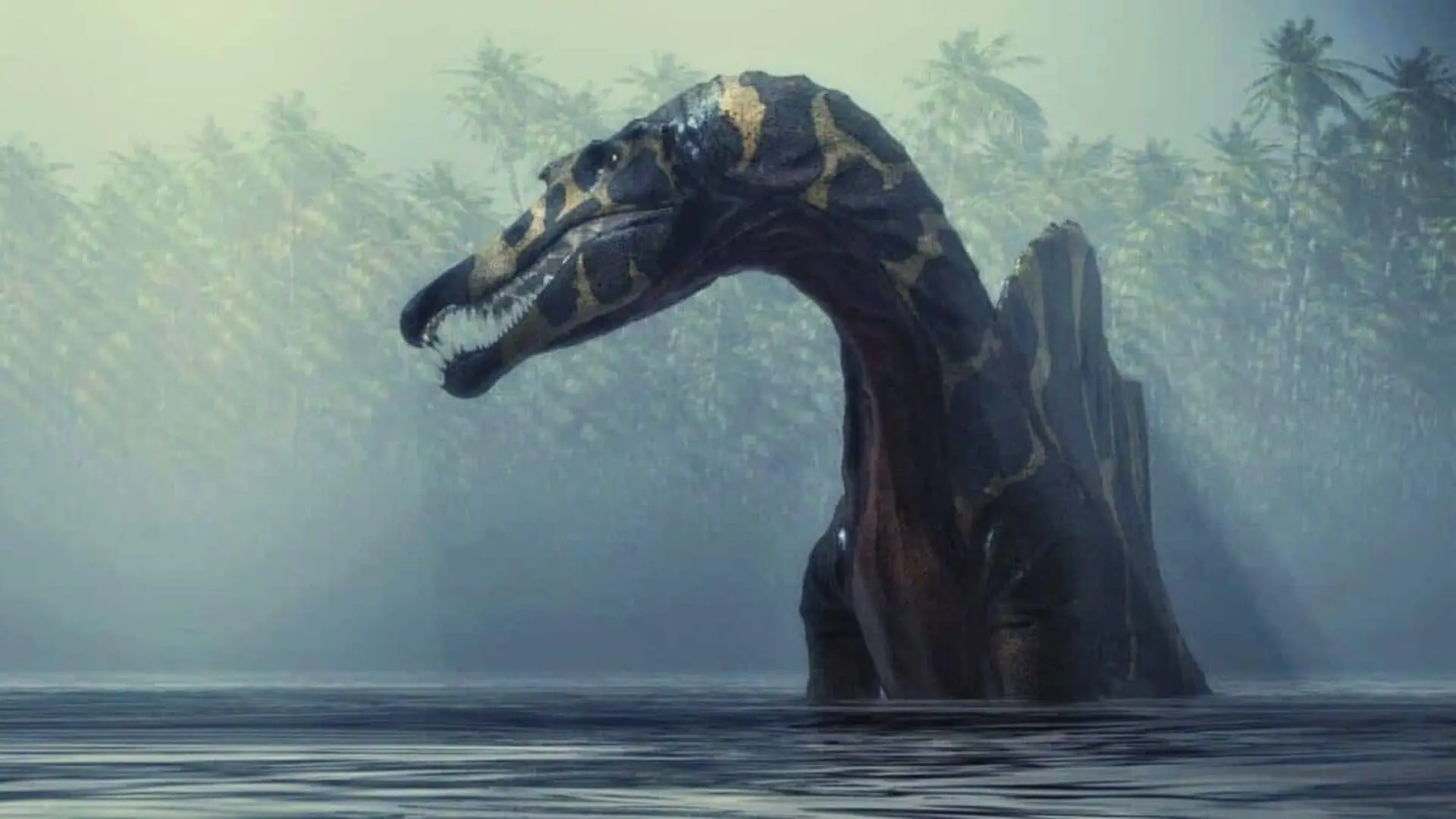
A team led by University of Chicago paleontologist Paul Sereno has announced a new spinosaurid species, Spinosaurus mirabilis, whose anatomy suggests it hunted fish by wading in shallow water much like a heron. “I think this animal spent most of its time fishing in water about three feet deep,” Sereno told NPR, adding that its size would have allowed it to stand in roughly six feet of water without sinking.
The species lived around 95 million years ago during the Cretaceous Period, inhabiting a marshy interior of what is now central Sahara‑bound Niger. The discovery is detailed in a paper in Science and represents only the second confirmed member of the Spinosaurus genus, which was first described in 1915 and long thought to contain a single species, S. aegyptiacus.
A Scimitar‑Shaped Crest Distinguishes the New Species
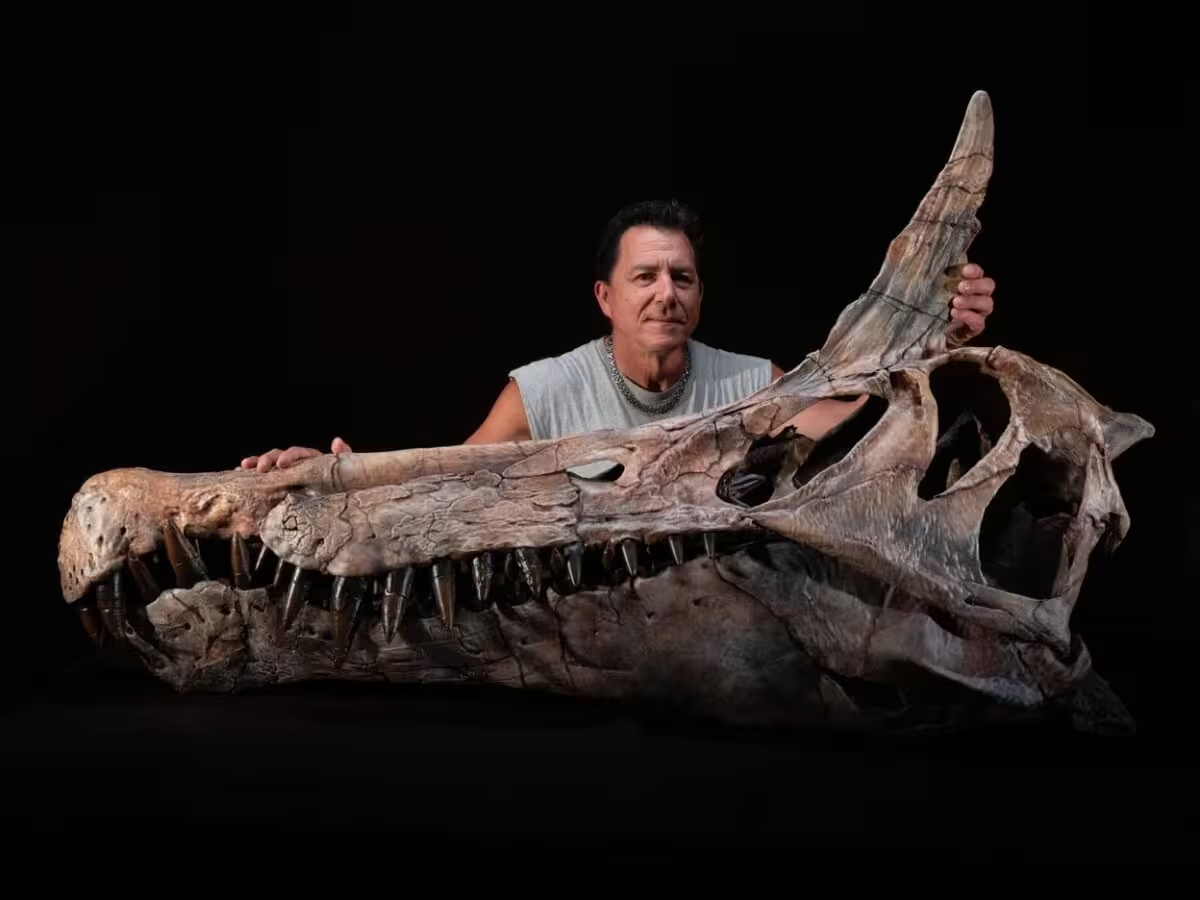
What sets S. mirabilis apart is a massive, curved crest atop its skull, resembling a short sword with a broadened tip. This structure differs from the modest ridge seen on the snout of S. aegyptiacus. The crest’s surface bears a network of vascular channels and a keratinous coating, indicating it was covered in the same protein that forms human nails and hair. Because the crest consists of solid bone without the air cavities common in other dinosaur ornaments, researchers argue it was too fragile for combat.
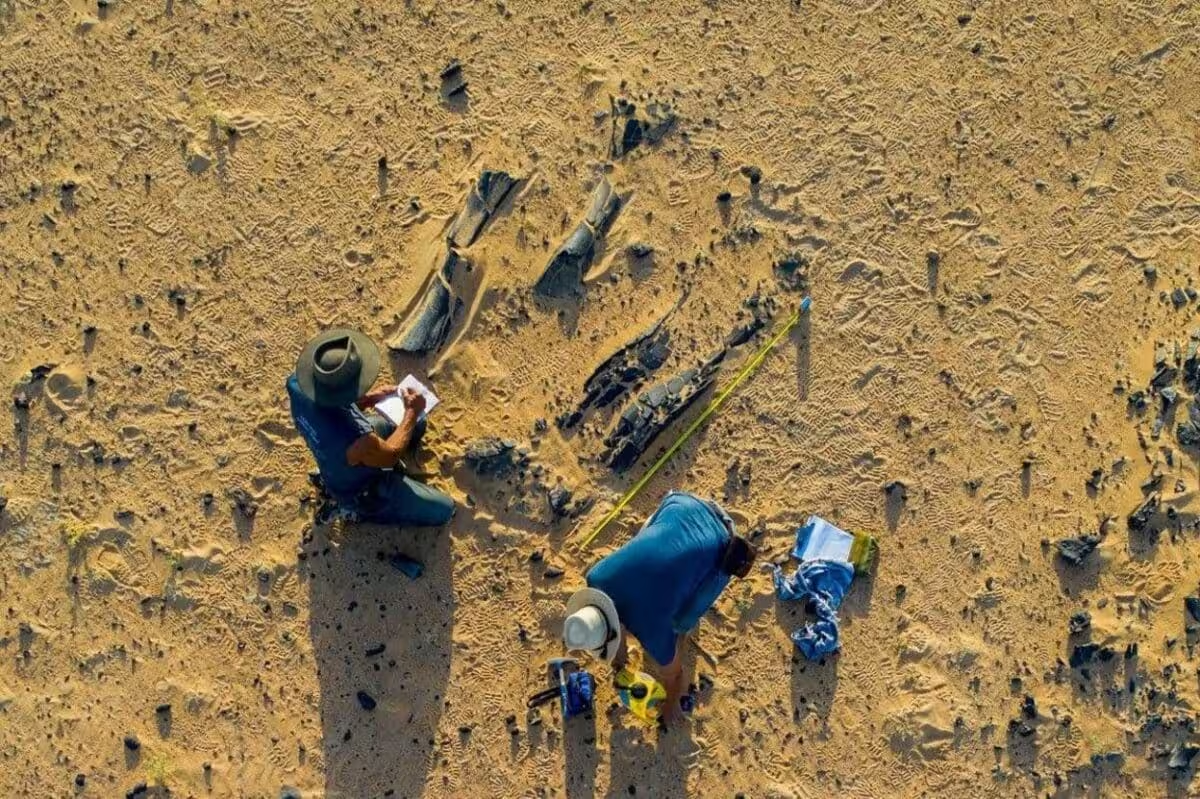
The first hint of the animal emerged in November 2019 when paleontologist Daniel Vidal uncovered an odd bone at a remote outcrop later named Jenguebi. “It was incredible,” Vidal recalled, describing the find as “like a unicorn.” Subsequent expeditions in 2022 recovered two more crests and additional jaw fragments, confirming that the remains represented a distinct species rather than an odd specimen of the known spinosaur.
Inland Habitat Challenges Marine‑Dinosaur Assumptions
Unlike S. aegyptiacus fossils, which are primarily recovered from ancient coastal deposits in Egypt and Morocco, the Jenguebi site lies 500–1,000 km (310–620 mi) from the Cretaceous shoreline. The surrounding strata contain river‑borne sediments and remnants of other long‑necked dinosaurs, suggesting a forested, river‑cut environment rather than a marine shoreline. This inland context adds weight to the idea that some spinosaurids hunted in freshwater systems instead of roaming open oceans.
The teeth of S. mirabilis interlock like puzzle pieces, with upper and lower rows sliding past each other. This arrangement is ideal for grasping slippery prey such as fish, contrasting with the typical underbite of most theropods that were built for tearing.
Fieldwork in the Central Sahara: From Needle to Discovery
Sereno’s interest in the region dates back to a 1950s report by French geologist Hugues Faure, who noted a dinosaur tooth from Niger. “It felt like searching for a needle in a haystack,” Sereno said of the long‑term quest. Today, the Jenguebi locality is a stark, arid landscape that locals—predominantly Tuareg—refer to as Sirig Taghat, meaning “no water, no goat.”
A twenty‑person team excavated the site, uncovering not only S. mirabilis remains but also fossils of a Carcharodontosaurus, titanosaurs, and various fish species. The collaborative effort underscored the region’s unexpected biodiversity.
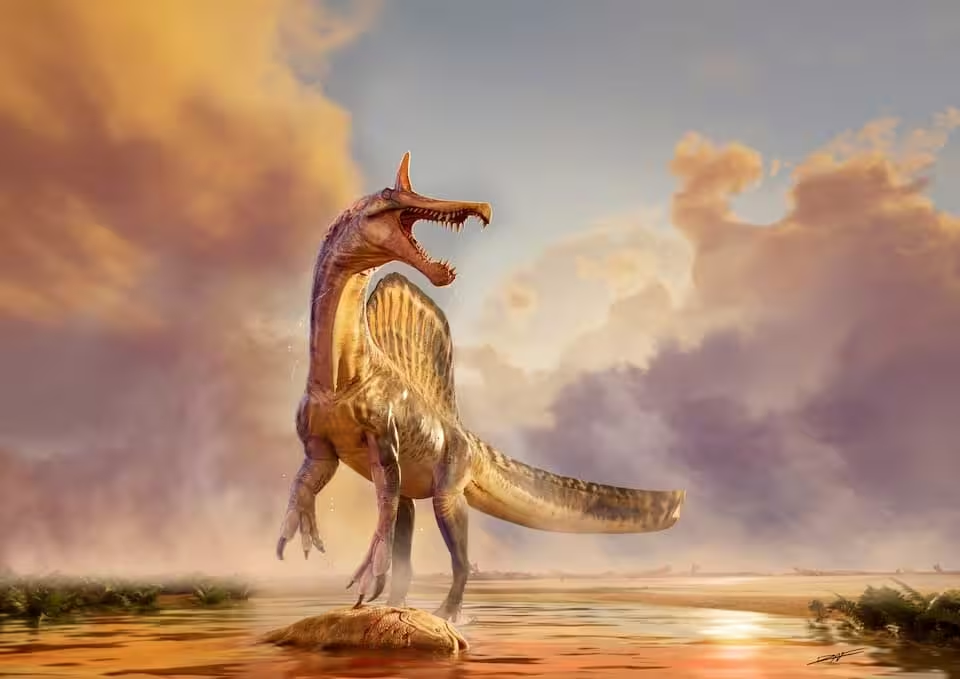
Sereno described the animal’s lifestyle as akin to a “hell heron,” capable of strolling through two meters of water while likely preferring shallower pools teeming with large fish. He recalled the moment the team first visualized the new skull on a solar‑powered laptop in the desert: “Seeing the 3‑D models assembled in real time was an emotional breakthrough for all of us.”
He also emphasized the lasting bonds formed with the local Tuareg community, noting that many of the people who guided the expedition have become lifelong collaborators in the pursuit of scientific knowledge.
This article has been fact checked for accuracy, with information verified against reputable sources. Learn more about us and our editorial process.
Last reviewed on .
Article history
- Latest version
Reference(s)
- Sereno, Paul C.., et al. “Scimitar-crested Spinosaurus species from the Sahara caps stepwise spinosaurid radiation.” Science, vol. 391, no. 6787, February 19, 2026 American Association for the Advancement of Science (AAAS), doi: 10.1126/science.adx5486. <https://www.science.org/doi/10.1126/science.adx5486>.
Cite this page:
- Posted by Hassan Raza