4.2‑Million‑Year‑Old Axolotl Fossil Reveals Ancient Mexican Lake Secrets
A newly discovered Mexican fossil axolotl offers the country’s oldest record of the genus and uncovers surprising clues about its early evolution.
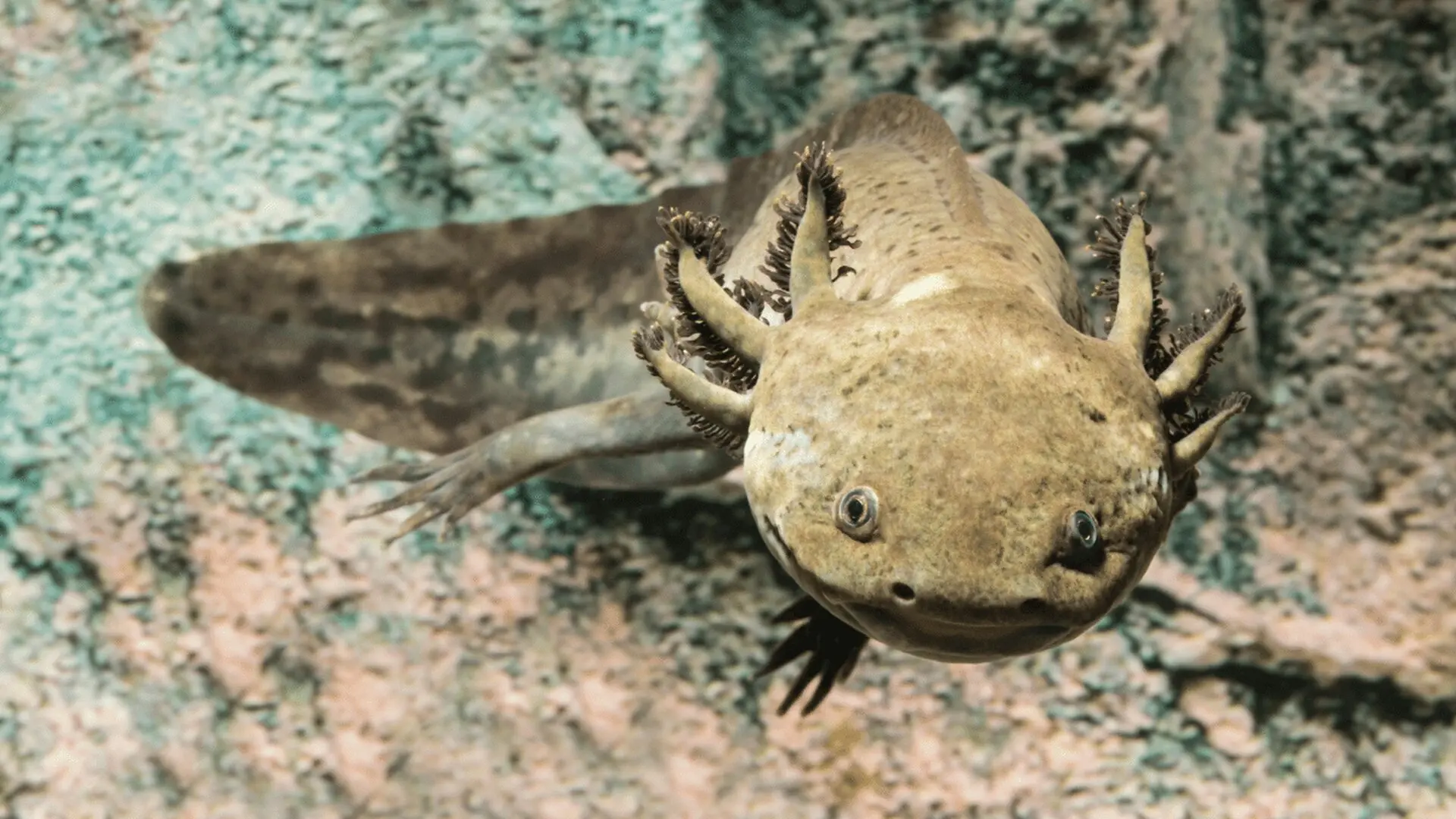
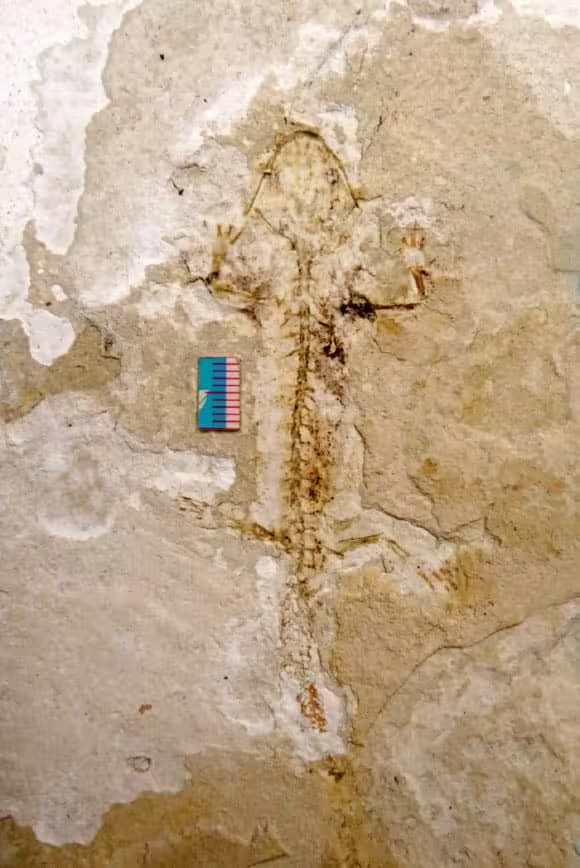
Paleontologists have uncovered a fossil salamander from central Mexico that pushes back the record of the iconic axolotl lineage by millions of years. The specimen, named Ambystoma quetzalcoatli, dates to roughly 4.2 million years ago in the Late Pliocene and represents the earliest known member of the Ambystoma genus from Mexico. Detailed analysis of the remains reveals a suite of skeletal traits never seen in either living or extinct relatives, shedding new light on how these amphibians adapted to ancient lake environments.
Ancient high‑altitude lake yields Mexico’s oldest axolotl fossil
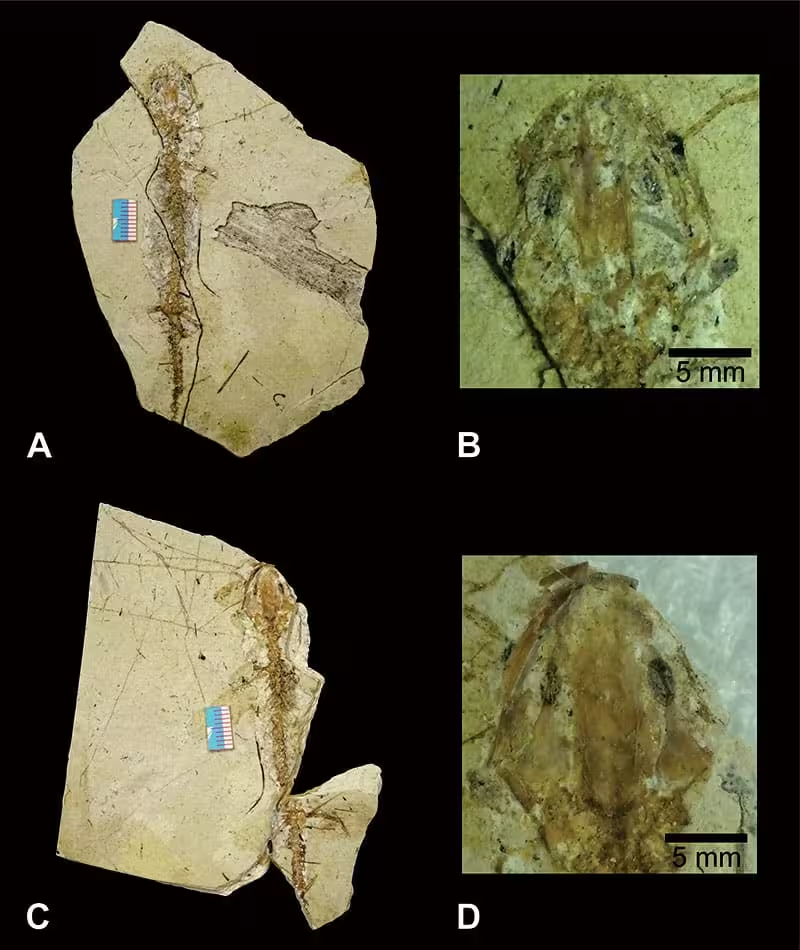
The bones were extracted from the Sanctorum locality in the Santa María Amajac basin of Hidalgo, an area that once hosted a lofty lake during the Late Pliocene. Although the water body vanished long ago, fine‑grained sediments preserved a remarkable assemblage of flora and fauna, allowing researchers to reconstruct a vanished ecosystem. Among the material recovered in the early 2000s were several salamander skeletons that, after careful study, were recognized as belonging to a completely new species.
Comparisons with all extant Mexican Ambystoma species highlighted a unique combination of skull features that did not match any known taxon. According to the study published in Palaeontologia Electronica, the fossils display a V‑shaped opening at the front of the premaxilla, a persistent dorsal cranial gap linked to developmental processes, and an unusually shaped parasphenoid bone at the skull base. These traits collectively distinguish Ambystoma quetzalcoatli from both living and extinct relatives and expand our understanding of amphibian evolution in North America.
New insights into the evolutionary lineage of axolotls
The authors stress that this find has ramifications far beyond the description of a single extinct salamander. It provides concrete evidence about the deep‑time history of a genus that has intrigued biologists for decades because of its extraordinary developmental biology.
“Ambystoma is a salamander genus endemic to North America, named by in 1838,” said Universidad Nacional Autónoma de México paleontologists Jorge Herrera‑Flores and María Patricia Velasco‑de León.
“This genus stands out among modern salamanders in their unique developmental biology, characterized by paedomorphosis of some species, with adult individuals retaining larval traits later in life.”
Paedomorphosis—where adult salamanders retain juvenile characteristics such as external gills—is a hallmark of axolotls and related species. The fossil skull shows that these developmental patterns were already established millions of years ago, suggesting that such traits may have facilitated diversification as ancient lake systems became isolated by surrounding mountains.
Mexico’s role as a hotspot for Ambystoma diversity highlighted
Mexico remains the global center of diversity for Ambystoma, and the new fossil underscores the country’s pivotal place in the group’s evolutionary narrative.
“All living species of Ambystoma are distributed in North America with a geographical range from southern Canada, through most of the United States and the Mexican Plateau.”
“The genus Ambystoma includes 38 living species, of which 18 occur in Mexico, and 17 are endemic to the country.”
These figures illustrate why central Mexico, with its volcanic highlands and isolated freshwater habitats, has acted as a cradle for independent salamander lineages over millions of years. The extinct Santa María Amajac lake likely functioned as one of these secluded environments, preserving organisms that no longer exist elsewhere. Earlier excavations at the same site have yielded extinct fish, beetles, diatoms, oak species, aquatic plants, and frogs, painting a picture of a once‑distinct ecosystem that vanished long ago.
Three cranial traits define a new extinct species
Detailed morphological work confirmed that the specimens represent a species never before documented. The team identified three diagnostic skull features that separate Ambystoma quetzalcoatli from every other known member of the genus.
“The fossil record of Ambystoma is relatively good, especially for the United States where fossils of the tiger salamander (Ambystoma tigrinum) are common, and a few extinct species have been named,” the authors note.
“We found three key morphological aspects of the skull that support the naming of Ambystoma quetzalcoatli as a distinct species,” the scientists added.
Those defining traits include the unusual premaxilla shape, the persistent dorsal cranial opening associated with paedomorphic development, and the distinctive parasphenoid bone structure. Together, they establish Ambystoma quetzalcoatli as a unique branch in the evolutionary history of North American salamanders and reinforce the importance of the Santa María Amajac deposits as one of Mexico’s richest paleontological sites. The authors suggest that further excavation could reveal additional extinct taxa that illuminate the origins of the country’s remarkable modern biodiversity.
This article has been fact checked for accuracy, with information verified against reputable sources. Learn more about us and our editorial process.
Last reviewed on .
Article history
- Latest version
Reference(s)
- Herrera-Flores, Jorge. “Ambystoma quetzalcoatli, a fossil axolotl from Mexico.”, vol. 29, no. 2, May 23, 2026, pp. 1-22. Palaeontologia Electronica, doi: https://doi.org/10.26879/1644. <https://palaeo-electronica.org/content/2026/5636-ambystoma-quetzalcoatli-a-fossil-axolotl-from-mexico>.
Cite this page:
- Posted by Hassan Raza