Archaeologists Discovered a Dye Worth More Than Gold Inside 1,700-Year-Old Tombs
Archaeologists detected remnants of an old dye within Roman graves in England, and the findings from the examination surpassed all expectations.
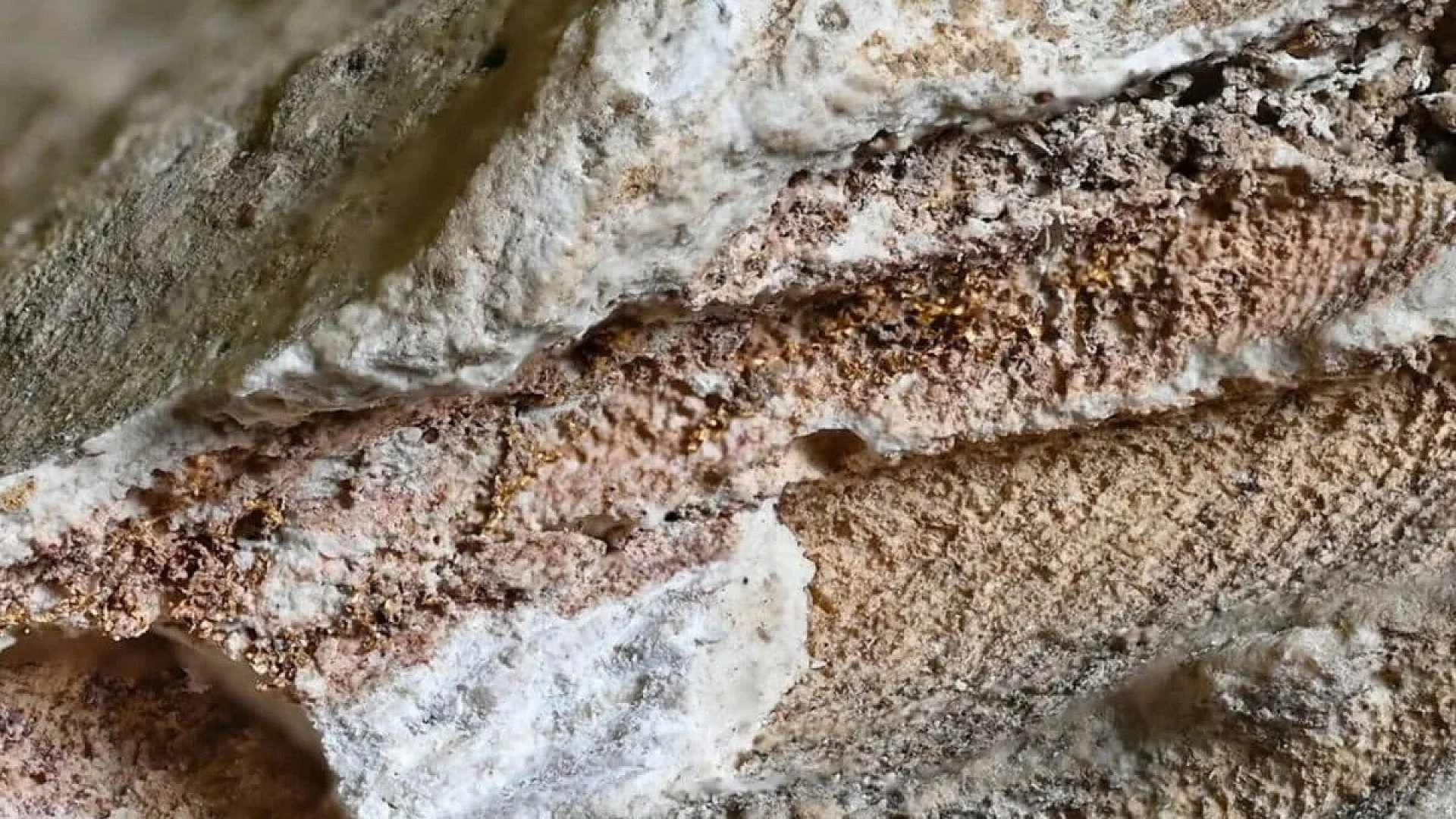
Archaeologists in Roman York have unearthed a significant discovery, revealing the presence of Tyrian purple, one of the most prized dyes in ancient times, in two infant burials dating back to the late third or early fourth centuries A.D. The finding, which has shed new light on the wealth and funeral customs of Roman Britain, was made possible through a new analysis of burials held by the York Museums Trust.
Researchers from the University of York identified gold thread woven into the fabric, a detail that points to the extremely high status of the families involved. Roman York was a major city in Roman Britain, connected to trade routes across the empire, and luxury goods from distant regions could reach the city. However, surviving evidence of fabrics and clothing is uncommon due to the tendency of textiles to decay before archaeologists can study them.
Unveiling the Rarity of Tyrian Purple
The burials date back to the late third or early fourth centuries A.D, with one containing a child around two years old buried with two adults inside a stone coffin, and the second involving an infant only a few months old placed in a lead coffin. Maureen Carroll, who directs the project at the University of York, said the find is the first confirmed evidence of Tyrian purple being used in Roman York.
“Traces of purple were not always visible on the gypsum surface, but chemical analysis has rewarded us with surprising results.”
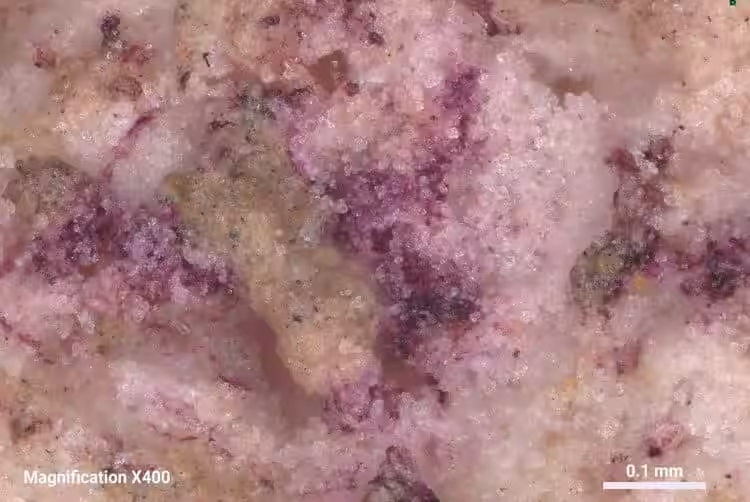
Tyrian purple was made from murex sea snails and mostly produced in the ancient Phoenician city of Tyre, in present-day Lebanon. The process of creating the dye was exhausting, requiring thousands of mollusks to be crushed just to produce a very small amount of pigment. Due to its difficulty in production, the dye became incredibly expensive, reportedly costing several times more than gold by weight.
Over time, purple clothing became a symbol of wealth, imperial power, and high social status. The discovery of Tyrian purple in the infant burials is providing new insights into Roman York and its people.
The Protective Power of Gypsum
The textiles survived due to the unusual gypsum burial method used in parts of Roman York. Archaeologists explained that the liquid gypsum hardened around the clothed bodies, creating a protective shell that preserved details of the burial.
In some areas, faint traces of purple could still be seen on the gypsum surface. Other traces were impossible to spot without scientific testing. Jennifer Wakefield, who led the laboratory analysis at the University of York, said chemical testing revealed dye residues that were invisible during the first visual examination.
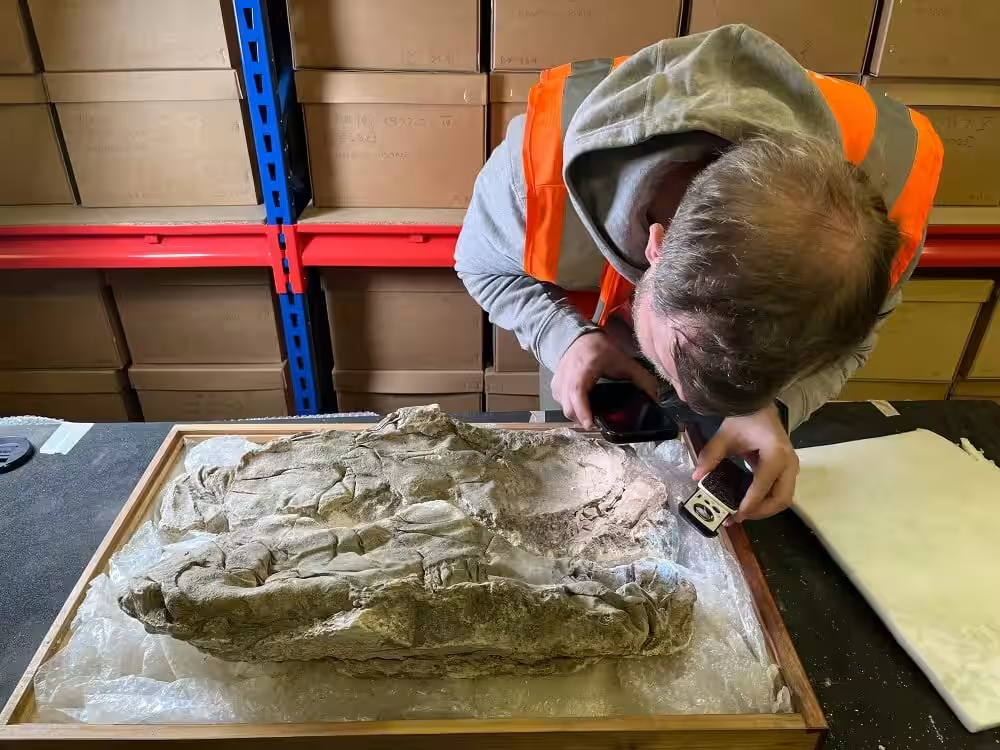
Researchers used liquid chromatography–tandem mass spectrometry (LC-MS/MS) to confirm the pigment’s identity. The tests showed that the dye was genuine Tyrian purple rather than another red or violet coloring sometimes found in Roman textiles.
“Taking part in this multidisciplinary project with the University of York has been a truly rewarding experience.”The discovery of the purple dye, and the research it inspired, is providing exciting new insights into Roman York.”
Rethinking Roman Grief
The discovery is also making researchers rethink how Romans dealt with the deaths of infants. Child mortality was common at the time, and Roman traditions often discouraged large public mourning ceremonies for very young children. Even so, the presence of costly purple textiles and gold thread suggests these infants were buried with remarkable care. Carroll explained that some families were clearly willing to spend significant amounts on funeral rites for children, despite infant deaths being so frequent during that era.
The York find is only the second known case of Tyrian purple being identified in Roman-era textiles from Britain. The first was linked to the burial of the Spitalfields woman in London, discovered in 1999 and dating back to around the same period.
Researchers now want to keep studying gypsum burials across York and North Yorkshire, hoping to uncover more preserved traces of ancient fabrics and dyes.
This article has been fact checked for accuracy, with information verified against reputable sources. Learn more about us and our editorial process.
Last reviewed on .
Article history
- Latest version
Reference(s)
- “Maureen Carroll - Department of Archaeology, University of York.” <https://www.york.ac.uk/archaeology/people/carroll/>.
- “Site Protection - Verification Required.” <https://www.lib.uchicago.edu/collex/exhibits/originsof-color/organic-dyes-and-lakes/tyrian-purple/>.
- <https://www.researchgate.net/profile/Jennifer-Wakefield-2>.
- Mitchell, Stuart. “Liquid Chromatography Tandem Mass Spectrometry LC-MS-MS.”, July 5, 2017 EAG Laboratories <https://www.eag.com/app-note/liquid-chromatography-tandem-mass-spectrometry-lc-ms-ms/>.
Cite this page:
- Posted by Zara Tariq