10 U.S. States Could See Northern Lights Tonight: Here’s Where To Watch!
Tonight, the northern lights may grace the skies over the northern United States, as NOAA forecasts optimal viewing conditions for enthusiasts.
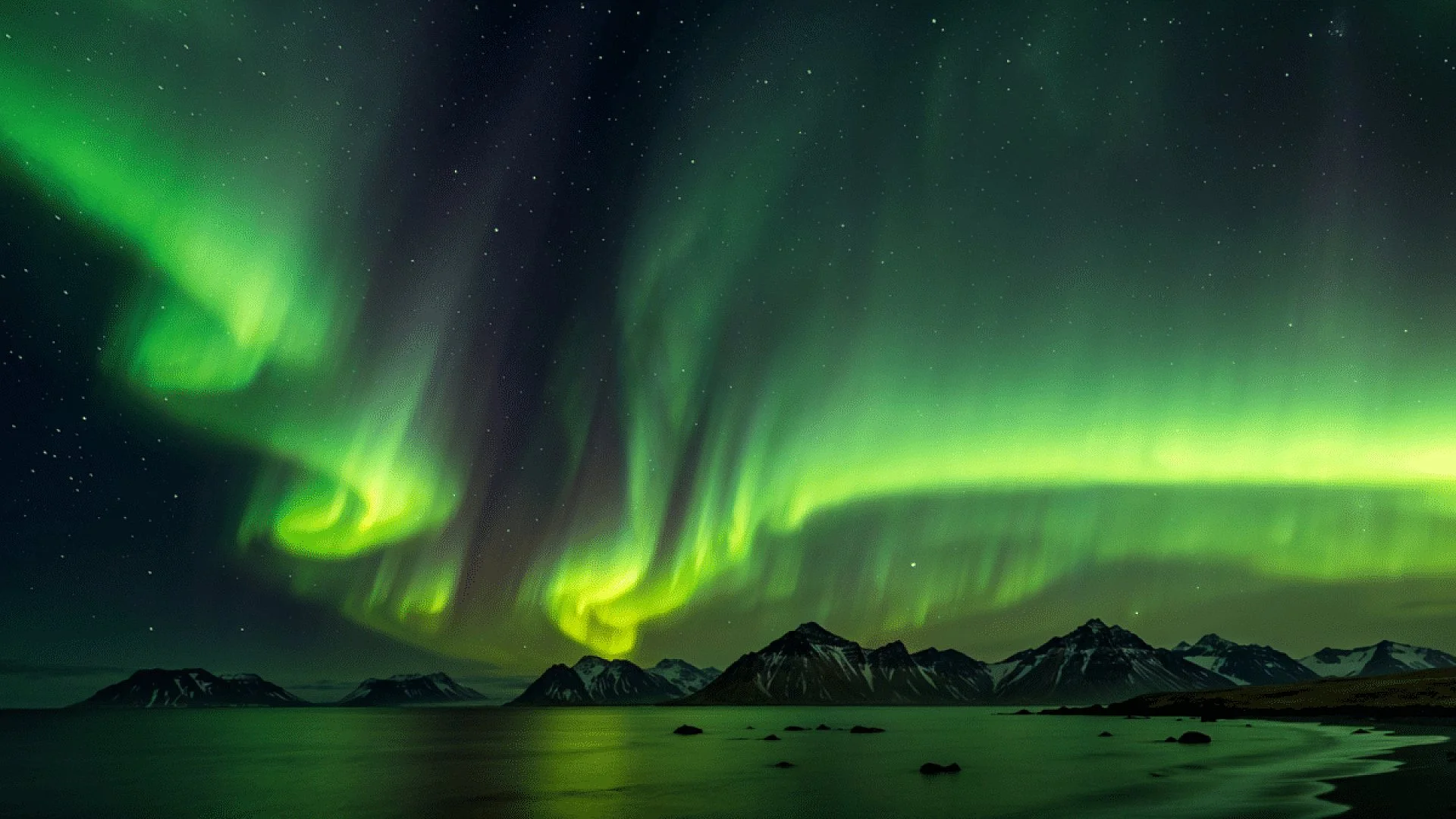
The night sky is set to come alive tonight as the northern lights, or aurora borealis, prepare to paint the horizon with vibrant shades of green and red. According to NOAA, a minor G1 geomagnetic storm triggered by high-speed solar wind from a coronal hole on the sun could make this rare spectacle visible across parts of the northern United States. Skywatchers are being urged to look up late Friday, May 15, into the early hours of Saturday, May 16, for the best viewing experience.
Unlocking the Secrets of the Aurora
Auroras are born from the interaction of charged particles ejected from the sun with Earth’s magnetic field. These solar winds collide with gases in the upper atmosphere, energizing oxygen and nitrogen molecules that emit light in the familiar green, red, and sometimes purple hues. The intensity of the display depends on the strength of the geomagnetic storm, the location of the observer, and the darkness of the sky.
NOAA reports that the current geomagnetic activity stems from a fast-moving solar wind stream escaping a coronal hole in the sun’s outer atmosphere. These high-speed streams can persist for hours or even days, meaning auroral activity could continue intermittently overnight. This is particularly promising given the new moon phase, which ensures darker skies and better visibility of faint auroras.
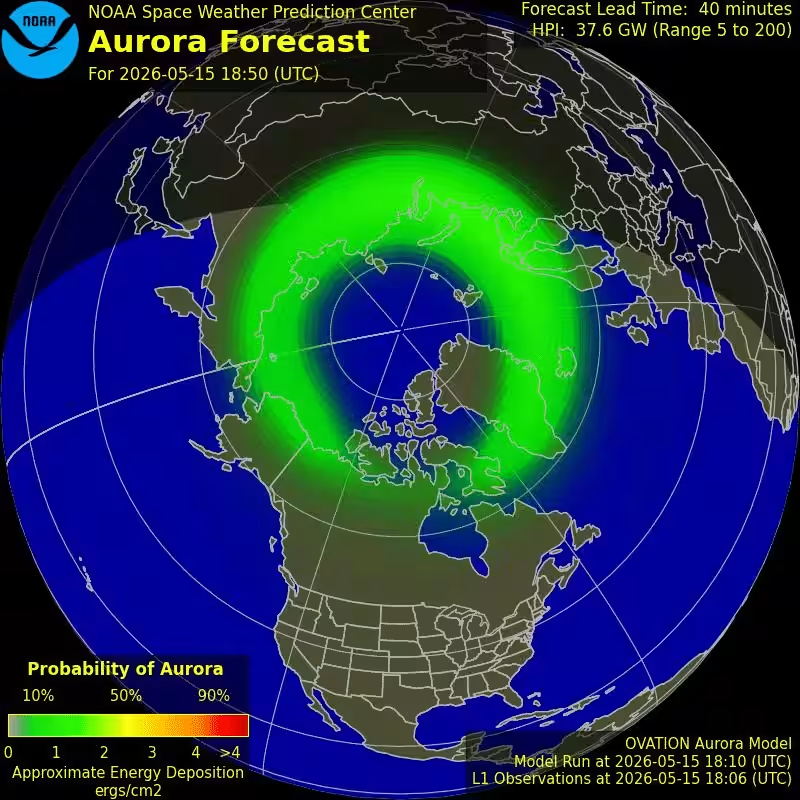
Timing and Locations for the Perfect View
The prime time to witness the northern lights is between late evening and pre-dawn hours, when the skies are at their darkest. While the aurora tends to peak around midnight, the activity can fluctuate quickly depending on solar wind conditions.
The northern lights are expected to be most visible in Alaska, northern Washington, Idaho, Montana, North Dakota, South Dakota, Minnesota, Wisconsin, Michigan, and Maine. Observers should seek dark, rural areas away from city lights. Elevated viewpoints and unobstructed northern horizons offer the clearest chance of catching the dancing ribbons of light. Even small, brief bursts of aurora can be remarkable when seen in ideal conditions.
This article has been fact checked for accuracy, with information verified against reputable sources. Learn more about us and our editorial process.
Last reviewed on .
Article history
- Latest version
Reference(s)
- “Aurora - 30 Minute Forecast | NOAA / NWS Space Weather Prediction Center.” <https://www.swpc.noaa.gov/products/aurora-30-minute-forecast>.
Cite this page:
- Posted by Zara Tariq