Captain’s Fatal Mistake Near Shore Leaves 126 Dead in Pacific Graveyard
The SS Valencia sank on Jan 22 1906 after its captain ignored shallow water readings, causing navigation errors and a collision off Vancouver Island.
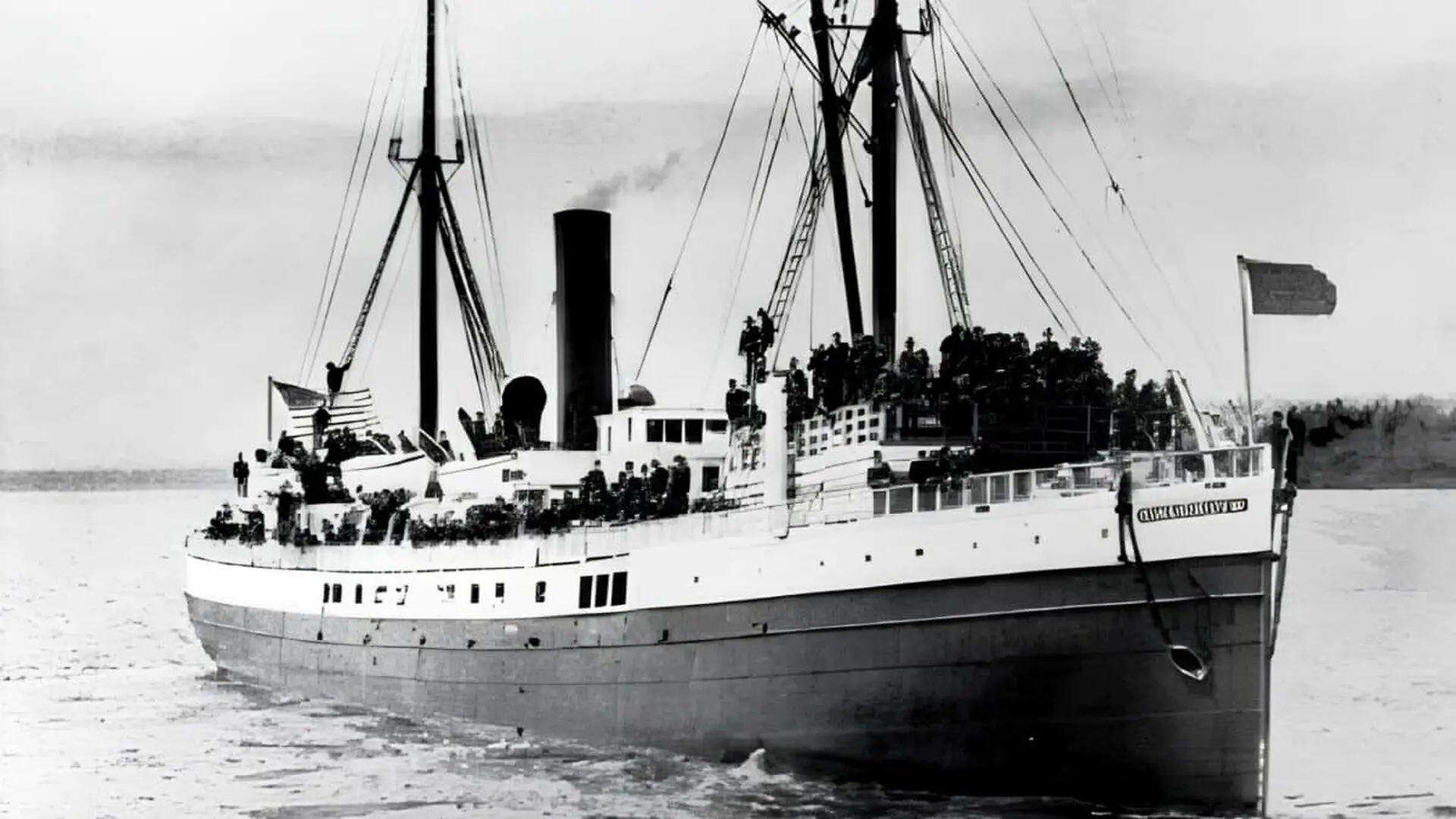
While en route from San Francisco to Seattle, the passenger liner Valencia found itself swept into the treacherous currents of the Pacific Northwest. Designed for warm, tropical routes, the ship and its crew were accustomed to clear, shallow channels—far different from the fog‑shrouded, reef‑laden waters off Vancouver Island.
Approaching Seattle required the vessel to thread the narrow Juan de Fuca Strait, the gateway between the mainland and Vancouver Island. Instead, thick fog and strong winds diverted the ship from the strait, steering it into the notorious “Graveyard of the Pacific,” a stretch of coastline that has claimed roughly 2,000 vessels over two centuries.
Navigational Missteps Led Valencia Into Fatal Waters
The Valencia was ill‑suited for the region’s harsh conditions, and several choices made by its captain compounded the risk. Popular Mechanics reports that the crew had never practiced emergency drills and that the ship lacked up‑to‑date charts of the local area. Moreover, the captain dismissed shallow‑water readings from the sounding rope, believing the vessel’s draft to be deeper than it actually was. The miscalculation ultimately drove the ship onto the rocky shoreline of Vancouver Island.
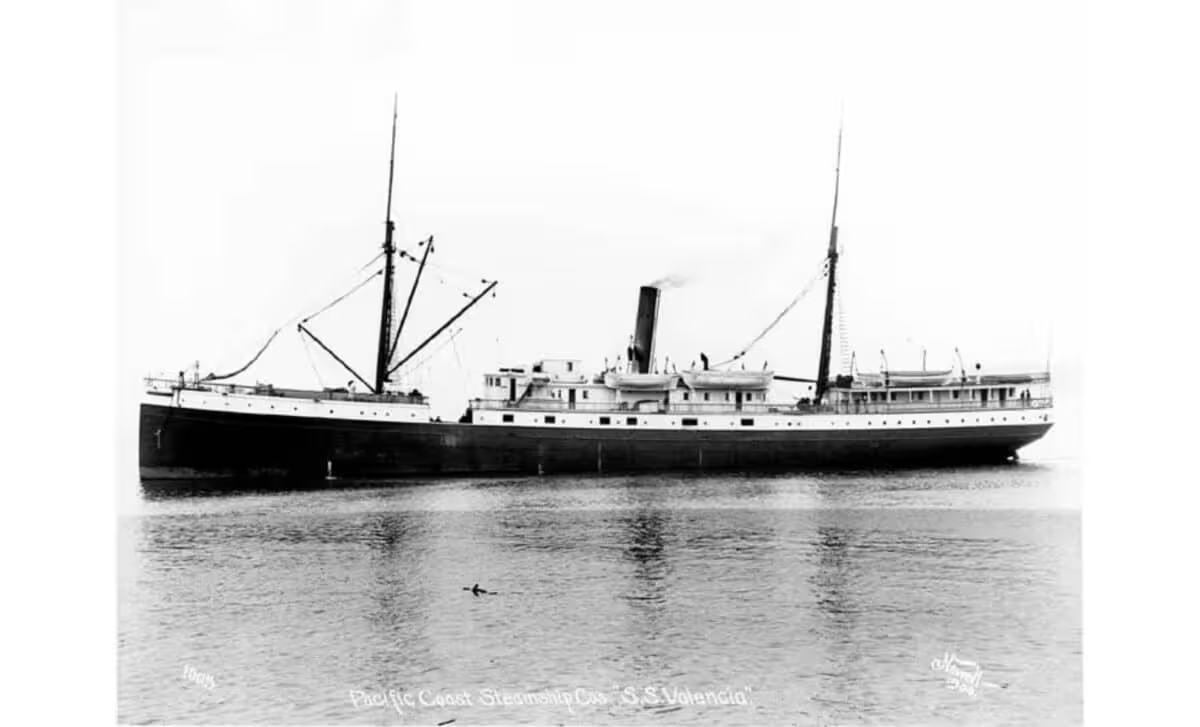
Rod Scher, author of Ship of Lost Souls, described the captain’s actions as a “failure to convey critical information to passengers and crew, and a willful disregard for the warnings that were available.” The convergence of an unsuitable vessel, absent navigational data, and ignored alerts proved catastrophic.
Passengers Stranded Just Yards From Shore
The impact left the ship perched against jagged cliffs, only a few yards from land but surrounded by unforgiving rock and icy water. Swimming to safety was impossible; the shoreline offered no handholds, and the frigid sea threatened rapid hypothermia.
A handful of survivors eventually clambered onto the rocks and set out for the nearest settlement, unintentionally abandoning a potential rescue device known as a Lyle gun. This apparatus fires a light line toward shore, allowing rescuers to pull a heavier rope in place and create a makeshift bridge for stranded passengers.
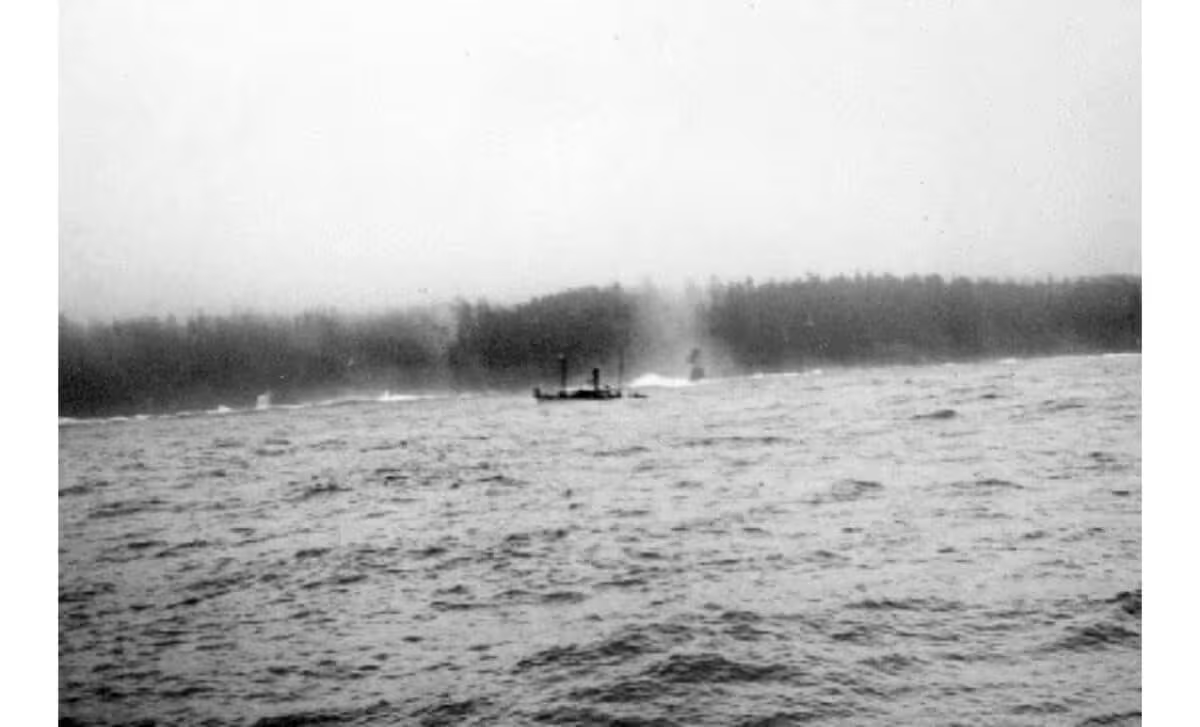
Rescue efforts were largely organized by local residents, including Indigenous peoples of Vancouver Island, with little assistance from national authorities. Scher notes that neither Canada nor the United States deployed formal rescue resources to the scene.
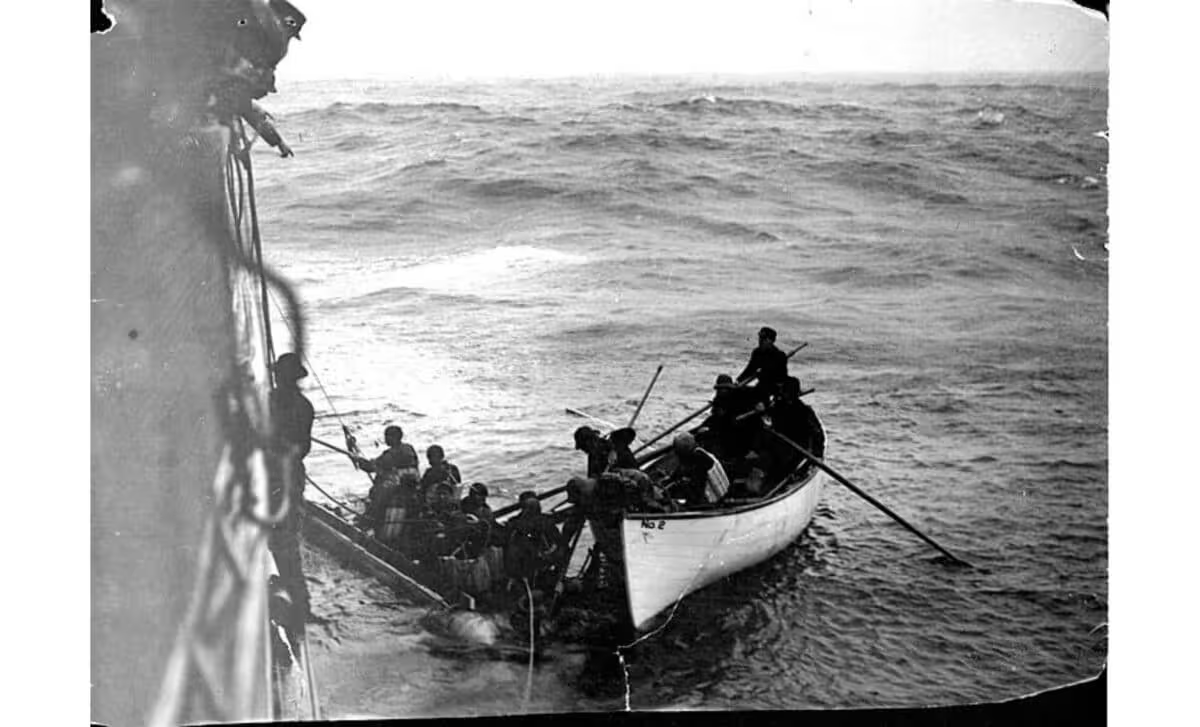
With few lighthouses and no dedicated lifesaving stations nearby—facilities that had historically been concentrated on the more populated eastern seaboard—only about one‑fifth of those aboard the Valencia survived.
Aftermath Prompted Coastal Safety Overhaul
The magnitude of the tragedy spurred investigations by both the United States and Canada, as the wreck occurred in waters straddling the two nations. In response, the Canadian government erected a new lighthouse and a lifeboat station, and established a series of aid posts where shipwreck survivors could receive shelter and summon help.
An ancient footpath that traced the rugged shoreline of Vancouver Island was upgraded into the Dominion Lifesaving Trail, providing a more reliable route for rescue teams.
The Valencia disaster remains a stark reminder of the perils that define the “Graveyard of the Pacific,” where swift currents, dense fog, and hidden reefs have claimed thousands of vessels. Human error—lack of local knowledge, poor communication, and the decision to sail an unsuitable ship—exacerbated the natural hazards, underscoring the need for robust coastal rescue infrastructure.
This article has been fact checked for accuracy, with information verified against reputable sources. Learn more about us and our editorial process.
Last reviewed on .
Article history
- Latest version
Reference(s)
- Delbert, Caroline. “The Captain Ignored Every Warning. 126 People Drowned Within Sight of Land..”, July 7, 2026 Popular Mechanics <https://www.popularmechanics.com/science/a71592066/captains-errors-ss-valencia/>.
Cite this page:
- Posted by Zara Tariq