Greenland’s Record Warm January Shows Arctic Heat, Not a 30°C Winter Spike
Record‑warm January in Greenland reveals a deepening Arctic shift, already impacting ice melt, fishing, tourism and mining.
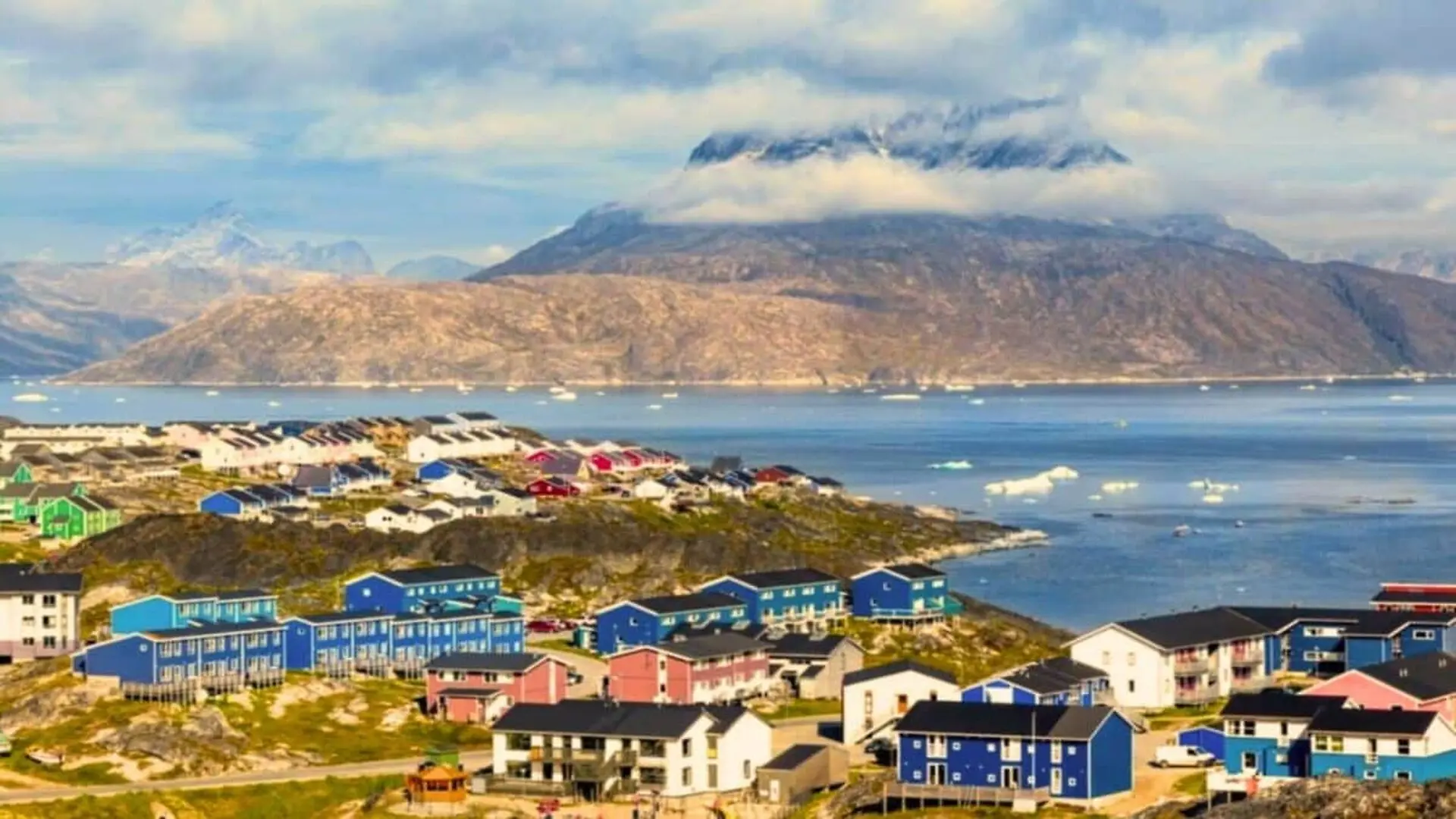
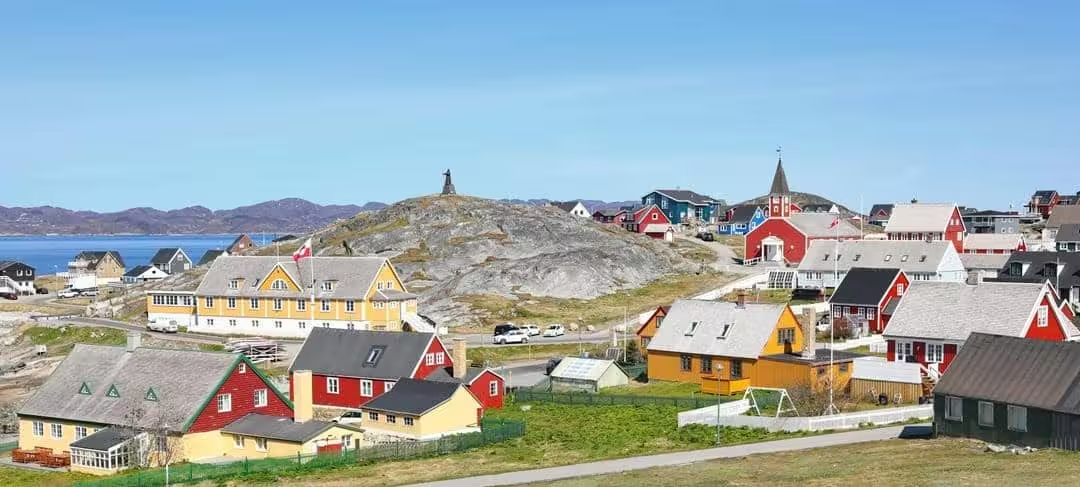
Greenland set a new benchmark for winter warmth in 2026, with preliminary measurements from Nuuk showing an average temperature of +0.2 °C for January, according to data released by the Danish Meteorological Institute and reported by Reuters. This figure stands in stark contrast to the city’s historical January average of –7.7 °C recorded between 1991 and 2020, effectively turning a typically frigid month into one that hovered just above the freezing point.
A Warm January Signals Accelerated Arctic Change
In the context of Arctic warming, a monthly mean of +0.2 °C represents a pronounced departure from the norm. Nuuk’s winter climate, which normally remains well below zero, has shifted enough to alter coastal ice formation, snowfall reliability, and daily activities that depend on stable frozen conditions.
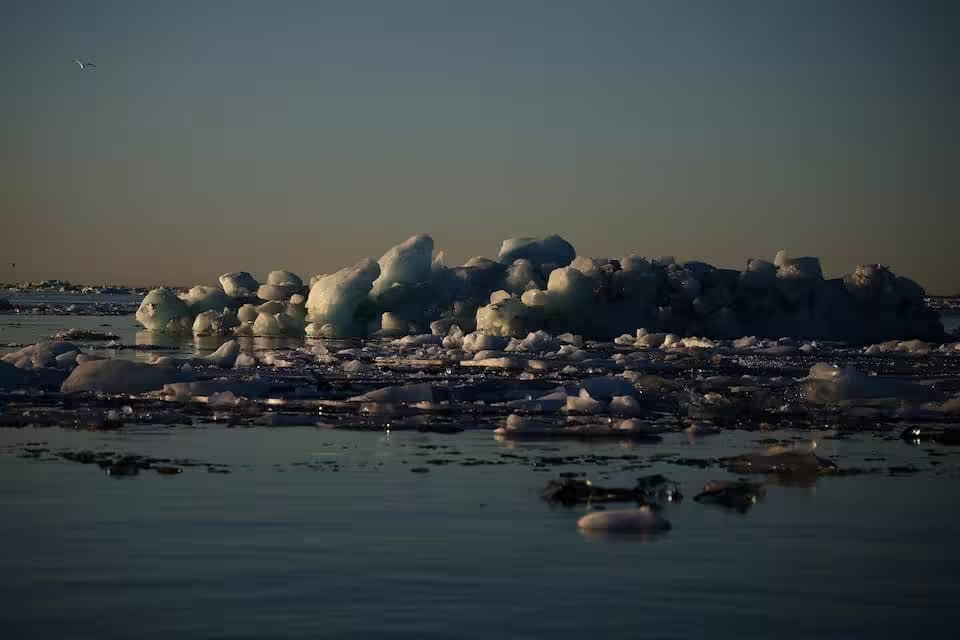
Jacob Hoyer, who leads the National Centre for Climate Research at the Danish Meteorological Institute, told Reuters that the changes are unmistakable, noting that Greenland’s warming rate is roughly four times faster than the global average temperature increase. Such a rapid rise heightens the region’s sensitivity to temperature thresholds that dictate ice stability and snow cover.
The January average reflects a sustained period of atypical warmth rather than a fleeting warm spell. When temperatures linger near or above freezing during a season that usually stays well below, ice can become thinner and snowpacks less dependable. Coastal communities, where winter conditions directly influence transport, fishing operations, and tourism, feel these impacts most acutely.
Understanding the Misattributed 30 °C Spike
The often‑cited 30 °C figure originates from a June 1973 observation at Maniitsoq in western Greenland, recorded during a strong foehn wind event. A foehn wind accelerates down‑slope air, compresses it and causes a rapid temperature surge that is highly localized and short‑lived, not indicative of broader seasonal trends.
Consequently, a single, extreme temperature spike should not be conflated with a month‑long average that demonstrates a systemic shift. The 2026 record in Nuuk underscores a persistent winter anomaly, whereas the 1973 event illustrates how particular weather patterns can temporarily elevate temperatures in isolated locations.
Implications for Ice, Fisheries and Winter Tourism
Warmer winter air temperatures are reshaping the extent and thickness of sea ice along Greenland’s coastline. Hoyer explained that ice now reaches less far south each winter and is thinner where it does form, complicating its use as a transport route and as a functional part of daily life.
The fishing sector, a cornerstone of Greenland’s economy, could also feel the effects. Reuters highlighted that in 2023, catches of shrimp, halibut and cod accounted for 23 % of the nation’s gross domestic product and provided roughly 15 % of all jobs. Hoyer cautioned that warming waters may alter marine ecosystems, although the precise outcomes remain uncertain.
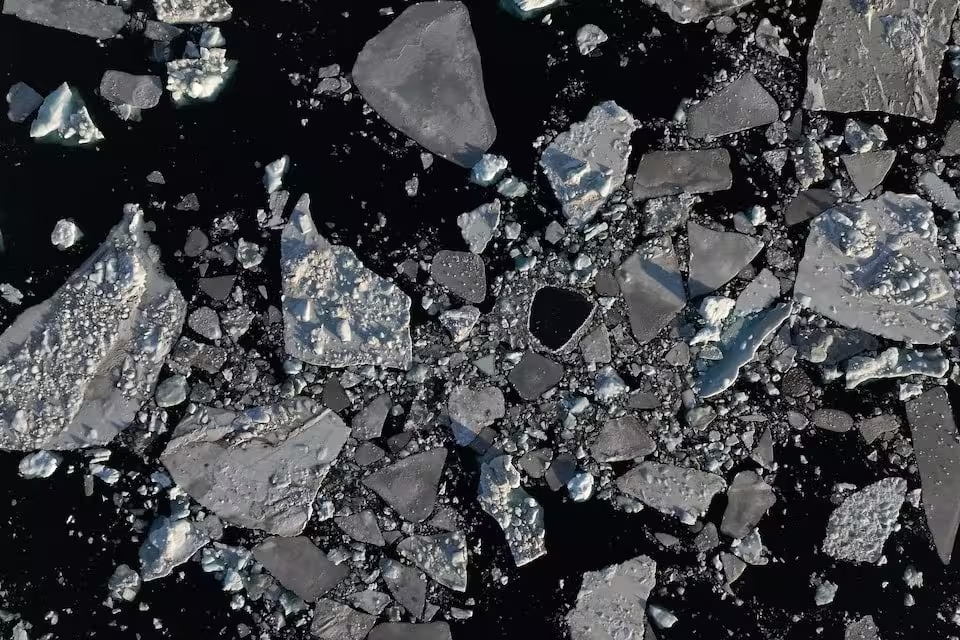
For operators of winter‑focused tourism, the shift can translate into immediate operational challenges. Casper Moller, who runs a local tour company, told Reuters that his business is now hoping for a quick return of reliable snowfall, noting the difficulty of scheduling activities that depend on snowmobiles, skis and other winter gear.
Warming Trends Influence Mineral Extraction and Shipping Prospects
Greenland’s evolving climate is also reshaping discussions around critical raw materials and mining. A Danish survey released in 2023 identified 25 of the 34 minerals classified as critical by the European Commission as present on the island, positioning Greenland as a strategic resource hub.
While warmer conditions could lower some logistical costs associated with extraction and transport, mining in Greenland remains challenged by high expenses, stringent permitting processes and opposition from indigenous communities. The climate shift does not eliminate these barriers but may alter the economic calculus for future projects.
Long‑term climate records provide a broader frame for the January anomaly. NASA’s climate evidence confirms that the planet is warming at an unprecedented pace, driven primarily by human activity. Satellite observations further show that the Greenland ice sheet has been shedding an average of 279 billion tonnes of ice annually between 1993 and 2019.
This article has been fact checked for accuracy, with information verified against reputable sources. Learn more about us and our editorial process.
Last reviewed on .
Article history
- Latest version
Reference(s)
- <https://www.reuters.com/sustainability/cop/greenland-shatters-temperature-record-redrawing-economy-fishing-minerals-2026-02-04/>.
- Cermak, Alicia. “Evidence - NASA Science.”, June 15, 2022 NASA <https://science.nasa.gov/climate-change/evidence/>.
Cite this page:
- Posted by William Moore