Hidden 1950s Ozone Signal Shows Carbon Tetrachloride Beat CFCs
New atmospheric reconstruction shows human-driven ozone depletion began decades earlier, reshaping the timeline of Earth’s critical crisis.
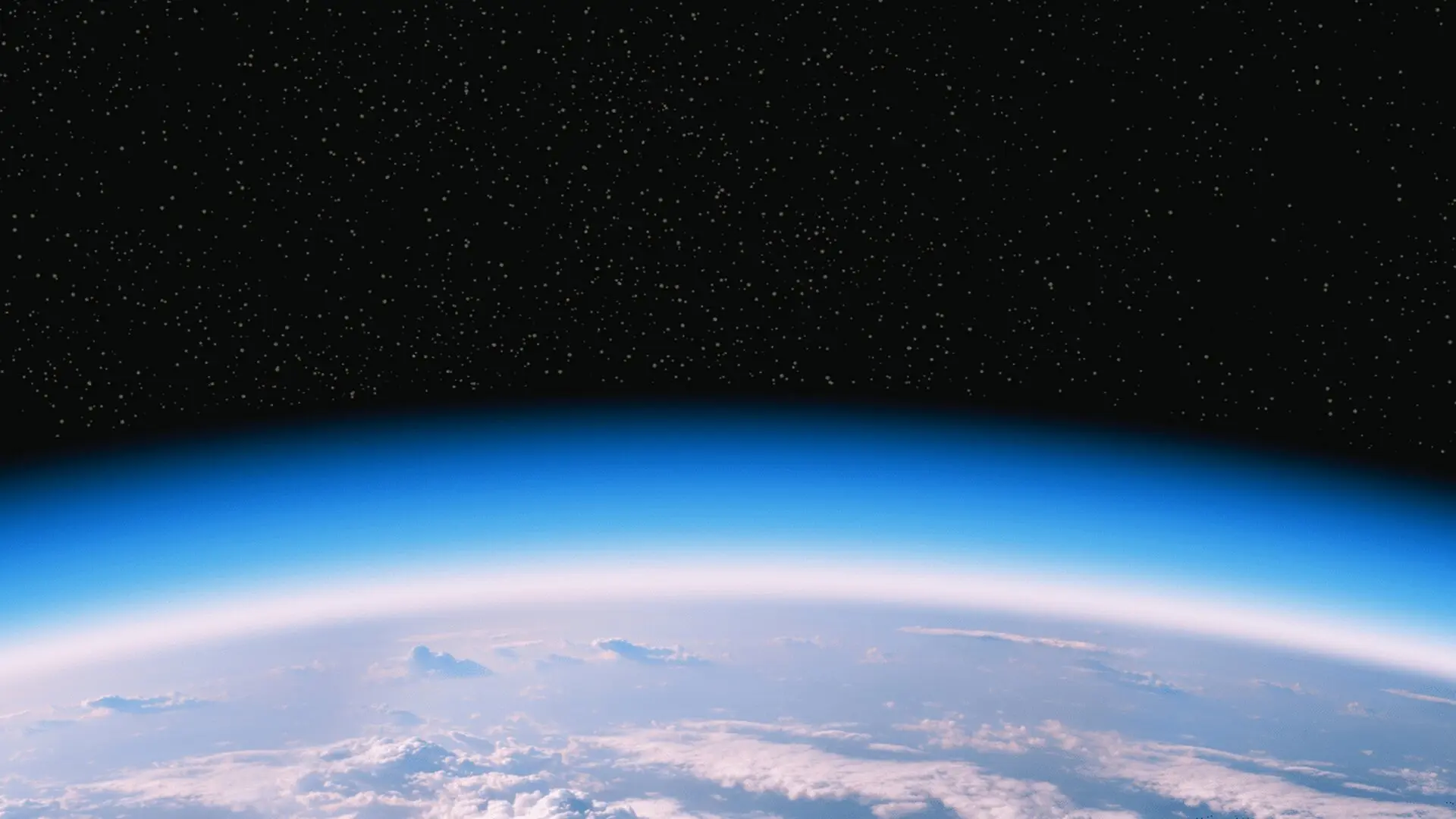
A new reconstruction of Earth’s atmospheric history, published in the Proceedings of the National Academy of Sciences, shows that human‑driven ozone depletion likely began in the late 1950s, decades before the Antarctic ozone hole brought global attention to the crisis.
Early Atmospheric Clues Reveal a Hidden Ozone Decline
While the discovery of the Antarctic ozone hole in 1985 has long dominated the narrative of stratospheric damage, a team at MIT argues that subtle chemical shifts detectable with today’s tools first emerged nearly thirty years earlier. By running modern atmospheric models on historic data, the researchers simulated how current monitoring systems would have interpreted the mid‑20th‑century atmosphere, uncovering a faint but distinct signal of human influence.
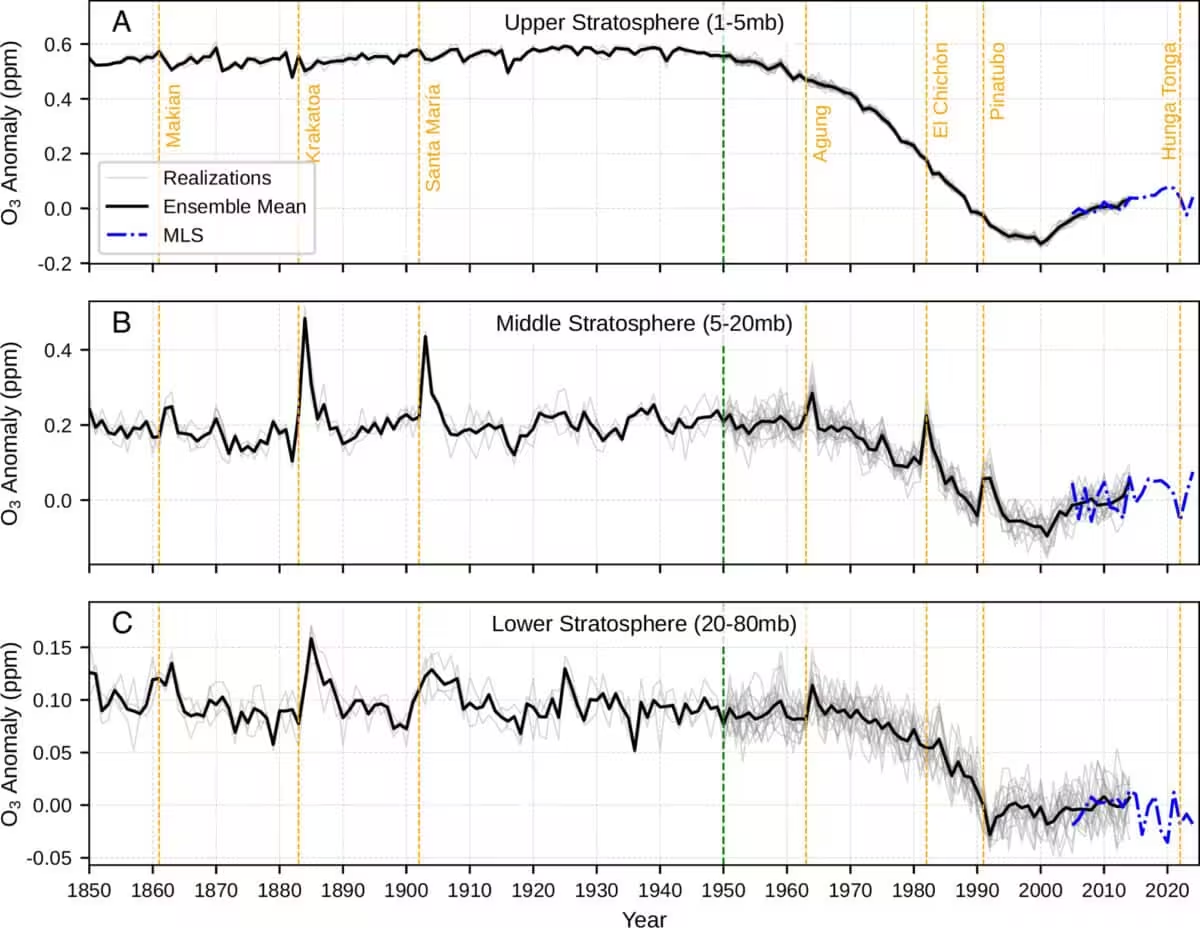
The analysis suggests that ozone loss did not erupt suddenly from later industrial emissions; rather, it unfolded as part of a prolonged chemical evolution in the stratosphere. In the reconstructed record, measurable disruption appears in regions far from Antarctica, overturning long‑standing assumptions about the geographic origin of the first ozone decline. The study also points to limitations in mid‑20th‑century observational technology as a key reason those early changes went unnoticed.
Carbon Tetrachloride Identified as the Pioneer Ozone‑Depleting Agent
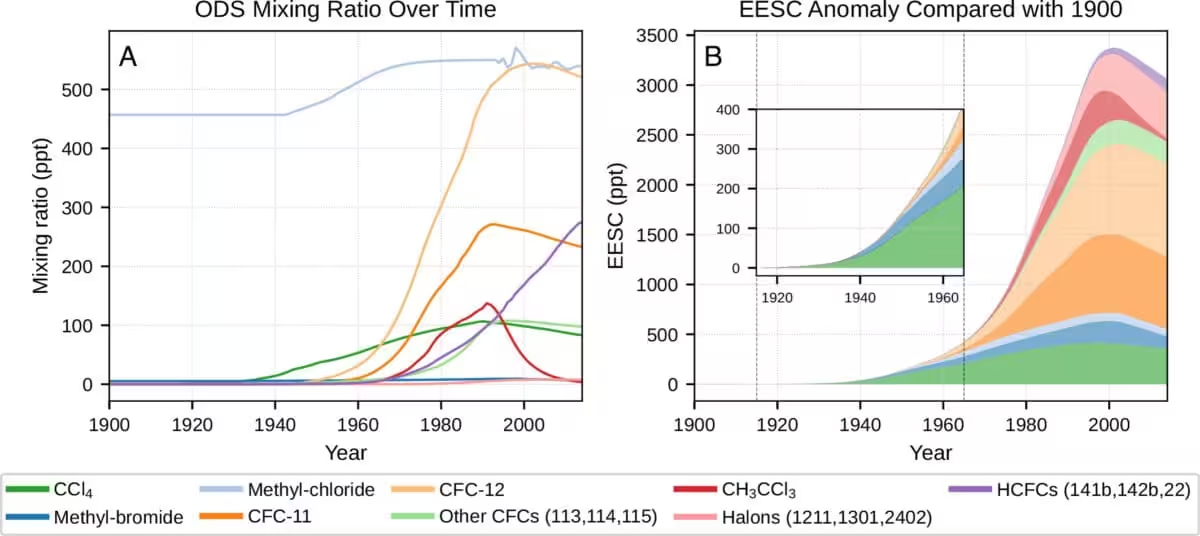
Contrary to the textbook focus on chlorofluorocarbons, the early signal is linked to carbon tetrachloride, a compound widely used in industrial degreasing and dry‑cleaning processes from the 1930s onward. Ice‑core measurements, combined with historical production data, reveal that this chemical left a measurable imprint on stratospheric chemistry as early as the 1940s and 1950s.
The research team merged industrial output records with paleoclimate proxies and atmospheric modeling to trace how carbon tetrachloride accumulated and interacted with ozone over time. By separating natural atmospheric variability from anthropogenic influences, a clearer pattern emerged from the background noise of weather and volcanic activity.
“What we’ve learned from textbooks is that CFCs result in ozone depletion,” says the study’s first author, Jian Guan, a graduate student in MIT’s Department of Earth, Atmospheric and Planetary Sciences (EAPS). “It turns out there was another compound that caused ozone depletion much earlier than CFCs. This was a big surprise.”
Published in Proceedings of the National Academy of Sciences, the paper argues that carbon tetrachloride’s early industrial adoption gave it a temporal edge in influencing atmospheric chemistry before other ozone‑depleting substances became prevalent. At the time, observational systems lacked the sensitivity to distinguish its subtle effects from natural variability, but modern analysis now identifies those changes as a coherent human‑driven signal.
Modern Detection Thresholds Push the Onset Back to the Late 1950s
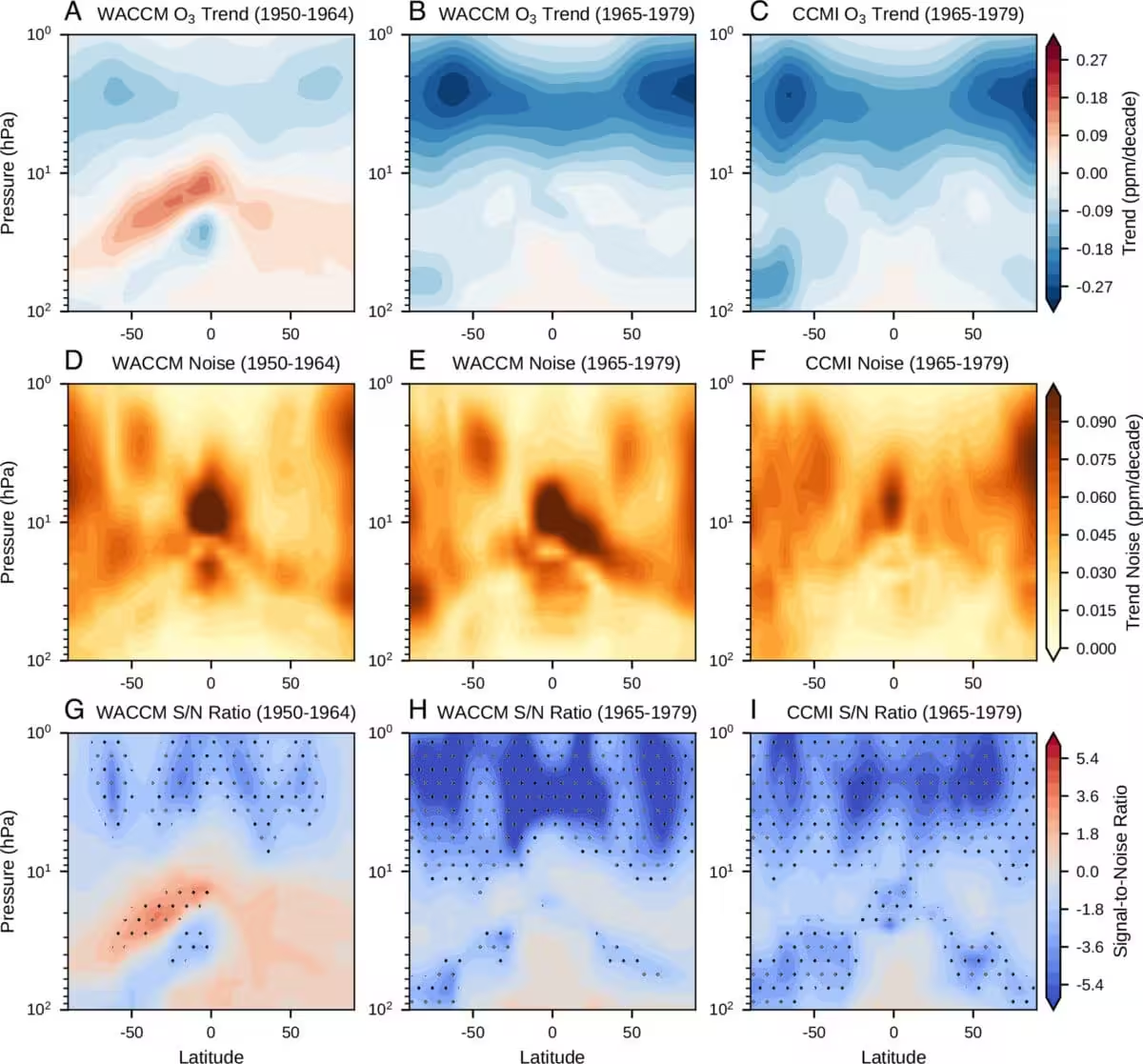
The revised timeline stems from a methodological approach that retrofits present‑day monitoring capability onto historic atmospheric conditions. Rather than relying solely on archived mid‑20th‑century observations, the scientists simulated how current detection systems would have interpreted past chemistry, determining when human‑induced changes would have become statistically distinguishable from natural fluctuations. Their results place a clear ozone‑loss signal at 1957, well before the Antarctic hole was first observed, and locate the initial emergence in the tropical upper stratosphere where natural variability is relatively low.
“The fact that ozone depletion would have happened as early as the late 1950s, which is much earlier than I would have thought, just absolutely blew my mind,” Solomon says. “This study shows it’s really important to keep monitoring so that we can fully understand how the atmosphere responds and recovers.”
By moving the start of detectable ozone loss away from the poles and into a broader, global context, the study challenges the conventional view that links the phenomenon primarily to polar chemistry and later industrial emissions. It also underscores how detection thresholds shape scientific understanding of environmental change.
Implications for Ongoing Atmospheric Surveillance
The research illustrates how advances in observational technology can reshape our understanding of environmental history. By applying modern sensitivity thresholds to reconstructed data, scientists uncovered a significant human impact on the ozone layer that predates the events that originally captured worldwide attention. The work also highlights the value of merging industrial production records with physical proxies such as ice cores to reconstruct long‑term atmospheric trends.
“We know what we have now, and ozone is starting to recover,” Solomon says. “But no one has ever really documented where and when and why the first ozone depletion would have happened.”
“We’ve gone through a big effort to get rid of these chemicals,” Solomon says. “Don’t we have an obligation to keep monitoring to make sure the atmosphere responds the way we think it should?”
In this newly reconstructed timeline, the ozone layer’s vulnerability appears earlier and more gradual than previously recognized, shaped by a succession of industrial chemicals whose combined effects unfolded over decades. Continuous monitoring, therefore, remains essential not only for tracking recovery but also for detecting the earliest signs of future atmospheric disturbances.
This article has been fact checked for accuracy, with information verified against reputable sources. Learn more about us and our editorial process.
Last reviewed on .
Article history
- Latest version
Reference(s)
- Guan, Jian., et al. “The emergence of human influence on the ozone layer by the 1960s.” Proceedings of the National Academy of Sciences, vol. 123, no. 28, June 29, 2026 National Academy of Sciences, doi: 10.1073/pnas.2608286123. <https://dx.doi.org/10.1073/pnas.2608286123>.
Cite this page:
- Posted by William Moore