Two Humpback Whales Cover 9,300 Miles Between Australia and Brazil, Shattering Migration Record
Two humpback whales set record migrations from Australia to Brazil, uncovering unexpected links between once-isolated populations.
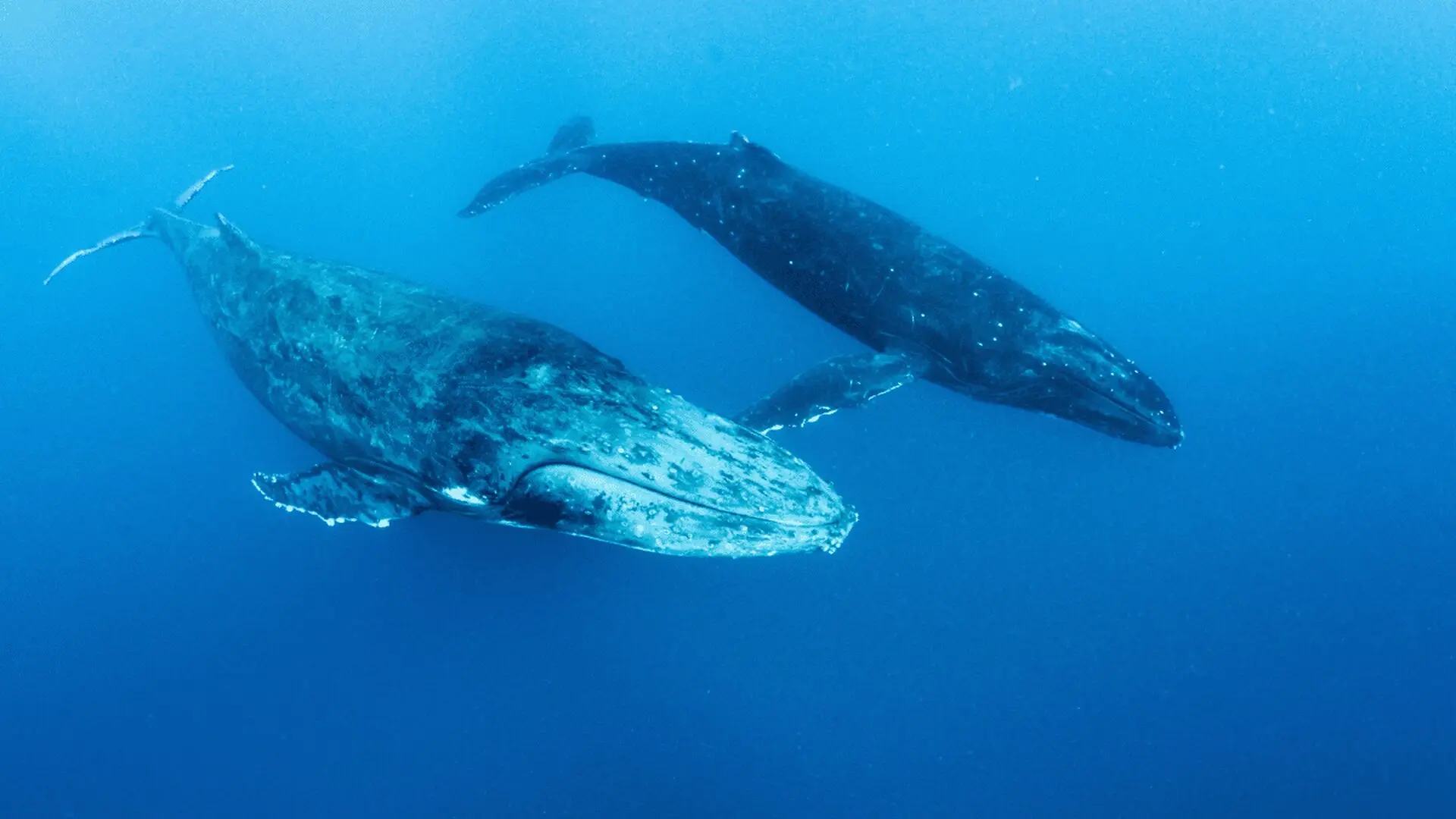
Researchers have documented two humpback whales traveling the greatest distances ever recorded for their species, moving between breeding areas in eastern Australia and Brazil—more than 9,300 miles (15,000 km) apart. The findings, released in Royal Society Open Science, indicate that these giants of the ocean can bridge populations once thought to be largely isolated.
Uncovering a Historic Migration Through Decades of Photographs
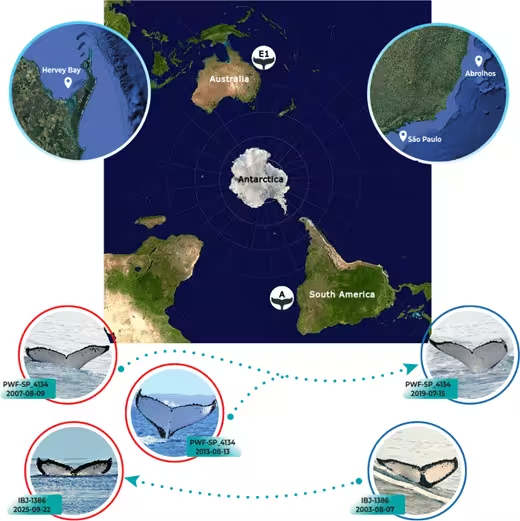
Instead of satellite tags, scientists relied on a massive archive of whale photographs amassed over forty years. By analysing over 19,000 images contributed by research groups and citizen observers worldwide, they compared the distinctive pigmentation and jagged edges on the undersides of humpback tails—features that function like natural fingerprints. Modern pattern‑recognition tools expedited the matching process, revealing two individuals that appeared at both Australian and Brazilian breeding sites while moving in opposite directions. One of the whales covered just over 9,300 miles, eclipsing the previous record set by a humpback traveling between Colombia and Zanzibar. Because the whales were only photographed at the start and end points, the exact routes remain speculative, adding intrigue to what is already the longest migration documented for the species.
Phillip Clapham, a former director of a NOAA whale research program who was not involved in the study, noted the importance of the observation. “It’s a very rare event, but it is a really wonderful demonstration of just how wide‑ranging these animals are,” he said.
Rethinking the Connectivity of Whale Populations
For many years, scientists assumed humpback whales stick to migration routes passed down by their mothers, returning to the same feeding and breeding sites each generation. The new records challenge that view, showing that at least some individuals can traverse an entire ocean basin and link distant breeding groups. Such long‑distance exchanges may be more common than the sparse data suggest, but they have remained invisible without multi‑decadal, multinational photo‑identification efforts. The study implies that populations once treated as separate could share occasional genetic or behavioral ties via rare travelers, a factor that may reshape models of population structure, reproductive habits, and post‑whaling recovery.
Co‑author Stephanie Stack emphasized the broader significance: “Finding not one but two individuals that have crossed between Australia and Brazil challenges what we thought we knew about how separate these populations really are.”
Unexplained Triggers Behind the Record Journeys
Even with the start and finish points identified, scientists remain unsure why these whales deviated from typical routes. Humpbacks usually feed on krill and small fish in colder waters before heading to tropical breeding grounds for calving. One hypothesis is that encounters with whales from other stocks while sharing high‑latitude feeding areas may have prompted a shift in migratory direction. Environmental shifts, fluctuations in prey distribution, or innate exploratory behavior could also play roles. The lack of continuous tracking leaves the full narrative concealed beneath the ocean’s surface, yet the evidence confirms that humpbacks possess a remarkable capacity for extreme, cross‑basin travel.
Implications for Conservation in a Changing Ocean
Published in Royal Society Open Science, the research arrives at a time when warming seas are reshaping marine ecosystems. Shifts in the distribution of krill and other prey may influence feeding, migration, and breeding patterns for humpbacks in the decades ahead. Insights into the species’ ability to undertake extraordinary voyages enhance understanding of their behavioral flexibility and potential resilience to climate‑driven changes. The work also underscores the value of sustained, collaborative monitoring programs that span national borders, as well as the expanding utility of global photo‑identification databases combined with emerging technologies. Future discoveries may continue to reveal unexpected facets of one of the world’s most iconic migratory mammals.
This article has been fact checked for accuracy, with information verified against reputable sources. Learn more about us and our editorial process.
Last reviewed on .
Article history
- Latest version
Cite this page:
- Posted by William Moore