NASA’s ISS Reentry Plan Sparks Ocean Health and Legal Debate Over Pacific Dumping
Experts warn NASA’s plan to sink the International Space Station in the Pacific may have unknown environmental impacts.
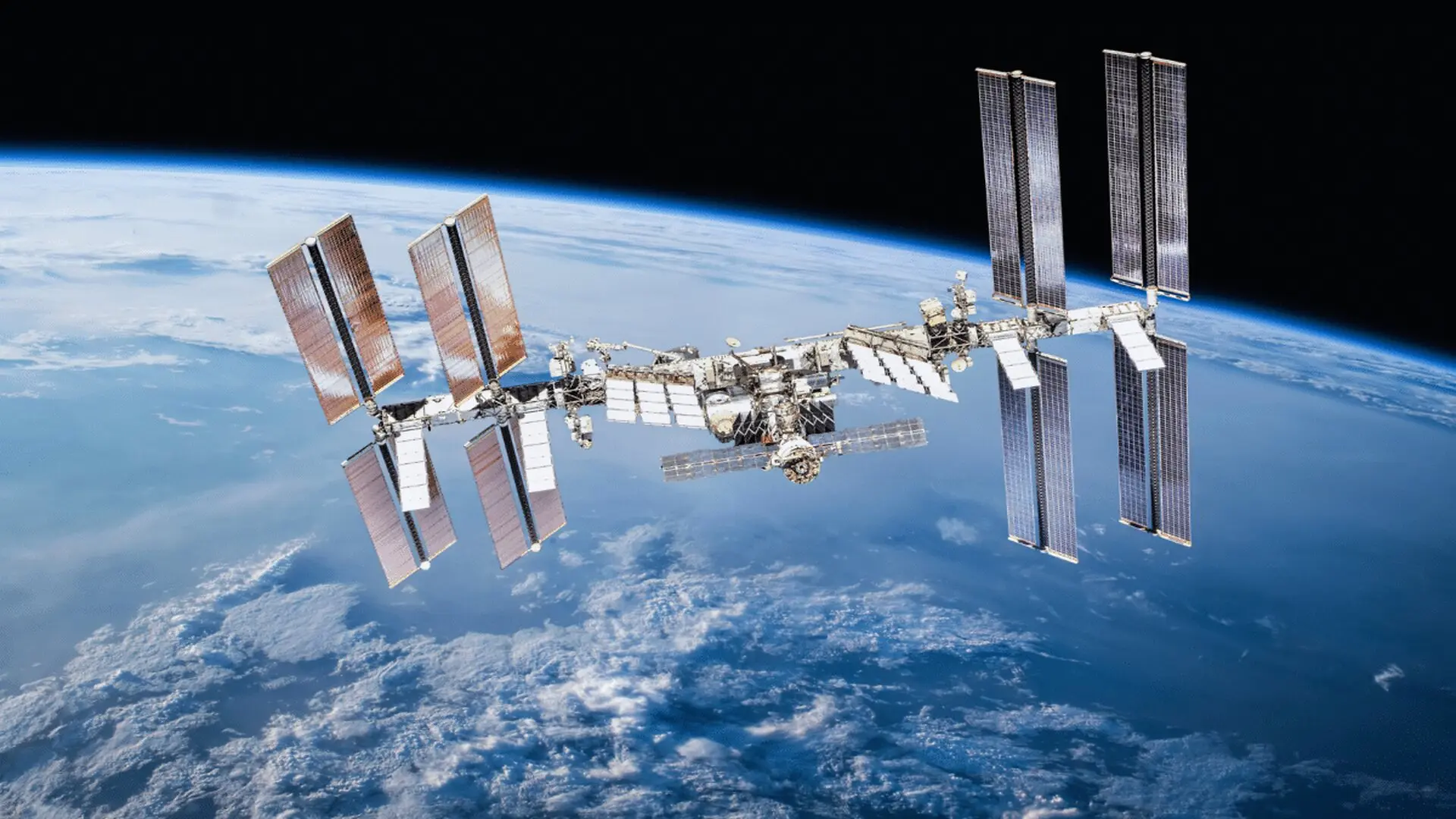
NASA is preparing to retire the International Space Station (ISS) by guiding it toward a controlled splash‑down in the remote South Pacific later this decade. The plan, outlined in a recent Government Accountability Office (GAO) review, aims to safeguard people on the ground, yet it has sparked a broader discussion about the environmental and legal ramifications of returning the world’s largest orbital laboratory to Earth.
NASA’s Strategy for Deorbiting the Space Station
For more than twenty years, the ISS served as a multinational hub for research in low‑Earth orbit, hosting astronauts and enabling thousands of experiments. The station was never intended to stay aloft indefinitely. Growing maintenance costs, aging components, and the rise of commercial habitats have pushed agencies toward a retirement timeline that culminates in a managed descent.
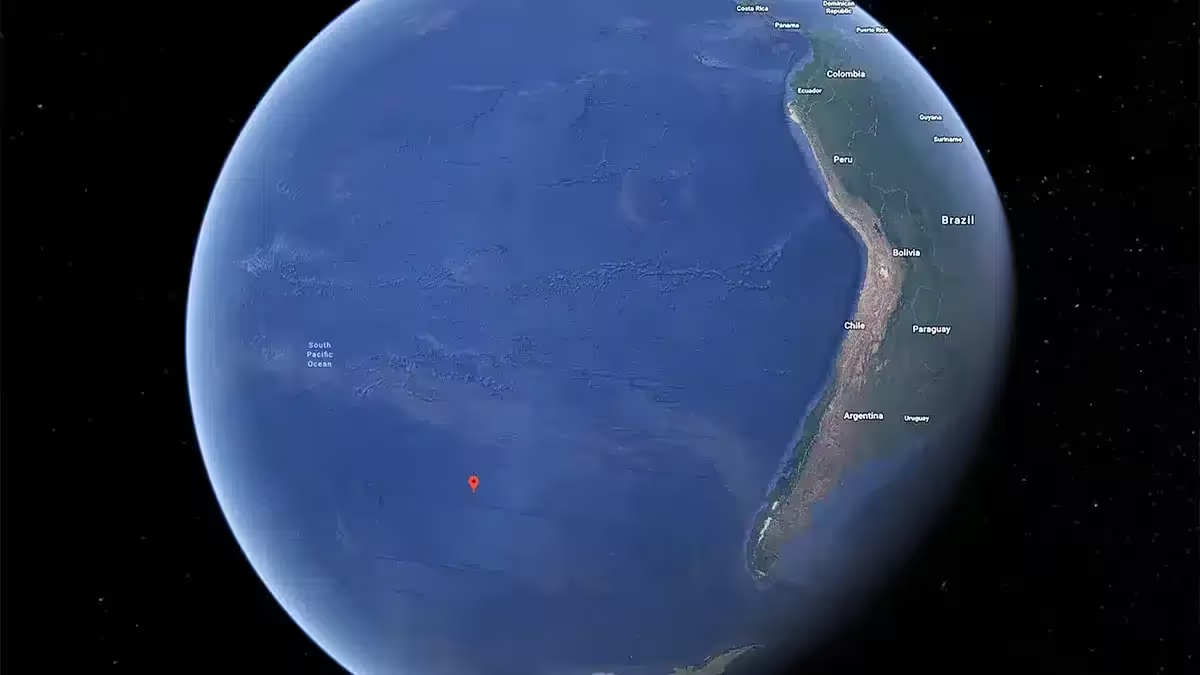
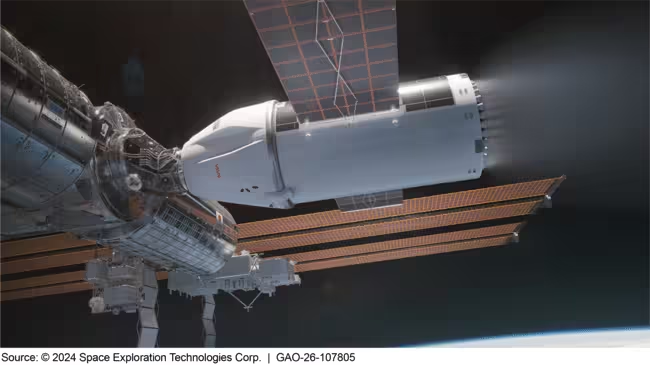
According to NASA’s roadmap, the station’s orbit will be gradually lowered beginning around 2028, with the Russian segment performing drag‑reduction maneuvers. In 2029 a U.S. Deorbit Vehicle (USDV) built by SpaceX will dock and deliver the final thrust needed for reentry. The intended impact zone is Point Nemo, a sparsely populated stretch of the South Pacific often called the “spacecraft cemetery” because of its distance from inhabited land. The objective is to ensure any surviving fragments fall far from human settlements, though critics argue the environmental picture remains incomplete.
Ocean Scientists Warn of Hidden Risks
The Ocean Foundation, a group focused on marine protection, has raised alarm bells over the plan. Its president, Mark Spalding, contends that the impending destruction of the station in the Pacific warrants far more scrutiny than has been applied so far.
“raises serious concerns for ocean health that the space community has not adequately grappled with,” according to Mark Spalding, president of the foundation.
The scale of the ISS—roughly the size of a football field and weighing several hundred tons—means that while much of the structure will vaporize during reentry, denser components could survive the heat and settle on the seafloor. Scientists admit they lack a comprehensive picture of how those remnants might interact with deep‑sea ecosystems over time. Environmental groups argue that this knowledge gap should trigger a more thorough impact assessment before the final burn.
GAO Review Highlights the Pacific Impact Zone
The Government Accountability Office (GAO) recently examined NASA’s transition away from the ISS and detailed the planned reentry sequence. The report notes that the deorbit vehicle will perform a final burn to steer the station toward the designated Pacific region.
“As part of the reentry process, NASA expects portions of the ISS and deorbit vehicle to break up and fall into the remote part of the ocean to minimize the risk to populated areas,” the GAO document states.
From a safety standpoint, directing debris to one of the world’s most isolated locations dramatically lowers the chance of injury or property damage. Point Nemo has long served as a disposal point for retired spacecraft because of its remoteness. However, critics maintain that protecting people does not automatically resolve environmental concerns, especially when a structure the size of the ISS is involved. The event could set a precedent for future retirements of large orbital platforms.
Legal Uncertainties in International Waters
Spalding argues that the ISS deorbit plan exposes a structural gap in the current body of international law governing the high seas. He told Space.com that “there is a troubling structural gap in international law that the ISS de‑orbit throws into sharp relief.”
Existing treaties provide mechanisms for compensation when space debris damages another nation’s territory, but they are less clear when debris is intentionally directed into international waters. Critics warn that this creates a loophole allowing agencies to choose remote ocean sites without triggering the same liability standards that apply on land.
“As a result, when space agencies have control over where debris falls, they aim for the high seas, and in doing so, they incur no legal obligation to pay for cleanup or environmental remediation,” said Spalding.
The discussion has prompted calls for policymakers to reassess whether current treaties can address the growing number of spacecraft retirements. With larger orbital stations on the horizon, the ISS case may become a benchmark for how the international community manages environmental responsibilities beyond national borders.
Potential Consequences for Deep‑Sea Life
Scientific data on large‑scale spacecraft debris on the ocean floor remain scarce. Point Nemo’s isolation makes it an appealing dump site, yet that very isolation hampers comprehensive study. Past missions have left fragments on the seabed, but the long‑term ecological effects are largely unknown.
Environmental advocates stress that uncertainty should not be equated with safety. Deep‑sea habitats are often fragile, slow to recover, and still poorly understood. Ongoing discoveries of new species in these remote regions raise questions about how introduced materials might alter ecosystems over decades.
“But the ocean’s remoteness from human infrastructure should not be mistaken for a lack of value or vulnerability,” Spalding said. “The ocean and its creatures deserve the same protection that international law affords to national territories.”
This article has been fact checked for accuracy, with information verified against reputable sources. Learn more about us and our editorial process.
Last reviewed on .
Article history
- Latest version
Reference(s)
- <https://www.gao.gov/products/gao-26-107805>.
- David, Leonard. “NASA wants to dump the ISS in the sea. Experts say the plan 'raises serious concerns for ocean health'.”, June 23, 2026 Space <https://www.space.com/space-exploration/international-space-station/nasa-wants-to-dump-the-iss-in-the-sea-experts-say-the-plan-raises-serious-concerns-for-ocean-health>.
Cite this page:
- Posted by William Moore