NASA’s Houston Lab Puts Artemis Hardware Through Harsh Lunar Dust Tests Ahead of Moon Return
NASA trials Artemis hardware against harsh lunar dust while pioneering tech to convert Moon resources into oxygen and rocket fuel.
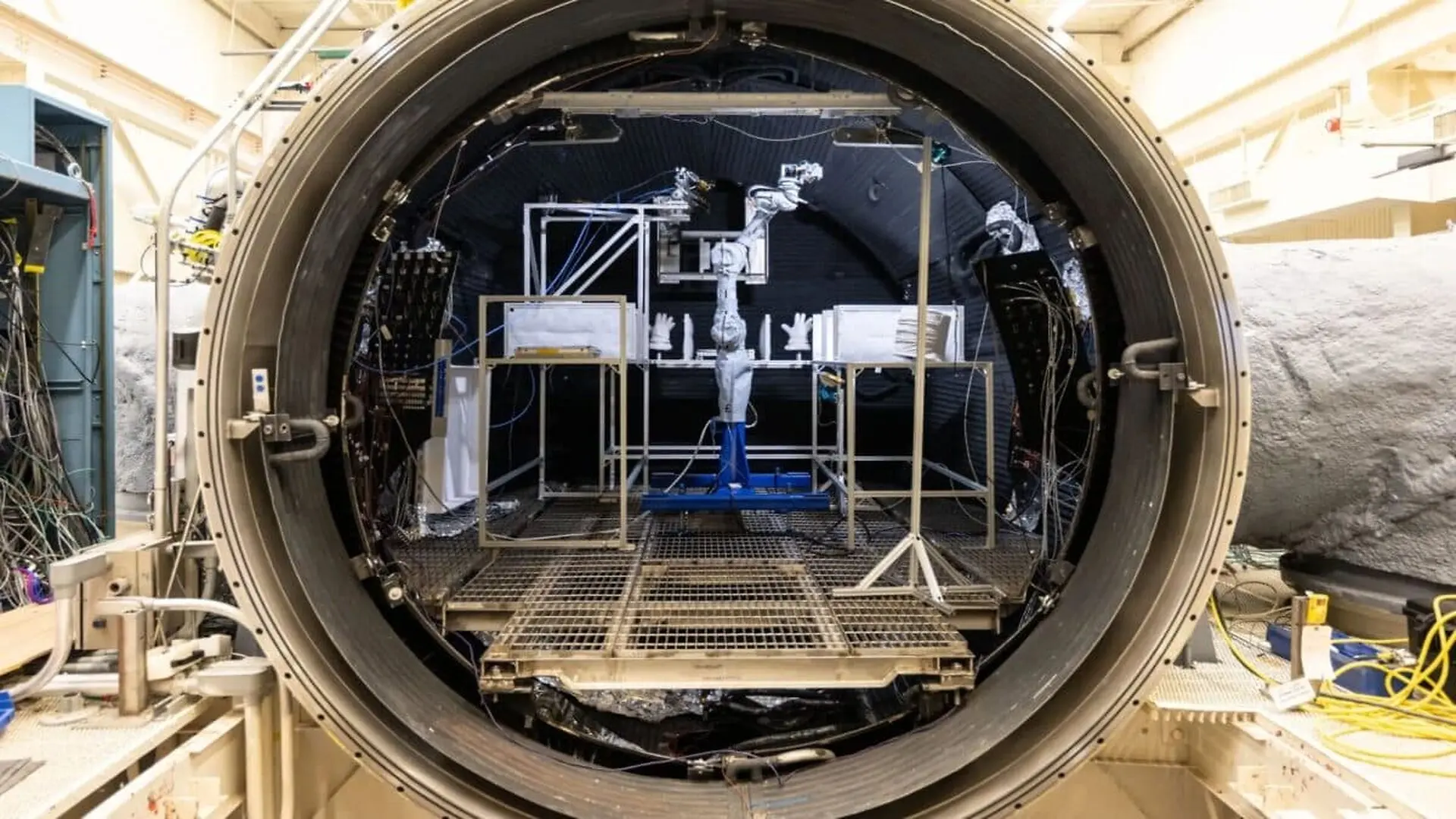
Before astronauts can set foot on the Moon for months at a time, the gear they rely on must survive a pervasive adversary: fine, abrasive lunar dust. This powder, known as regolith, can infiltrate joints, cling to spacesuits, and pose health risks, making dust mitigation a critical focus for NASA’s upcoming Artemis missions.
Why Lunar Regolith Demands Special Engineering
Unlike Earth dust, which is softened by weathering, lunar particles retain sharp edges and a tendency to stick to surfaces. This combination creates a dual challenge for equipment that must operate far from Earth, where maintenance opportunities are scarce. Dust can abrade moving parts, jam seals, and compromise both spacecraft systems and astronaut safety.
NASA emphasizes that exposure to this material could affect crew health, as future missions will require astronauts to repeatedly transition between habitats, tools, and the lunar surface while limiting the amount of dust they bring back.
Houston’s Lunar Development and Test Facility Recreates Moon‑Like Conditions
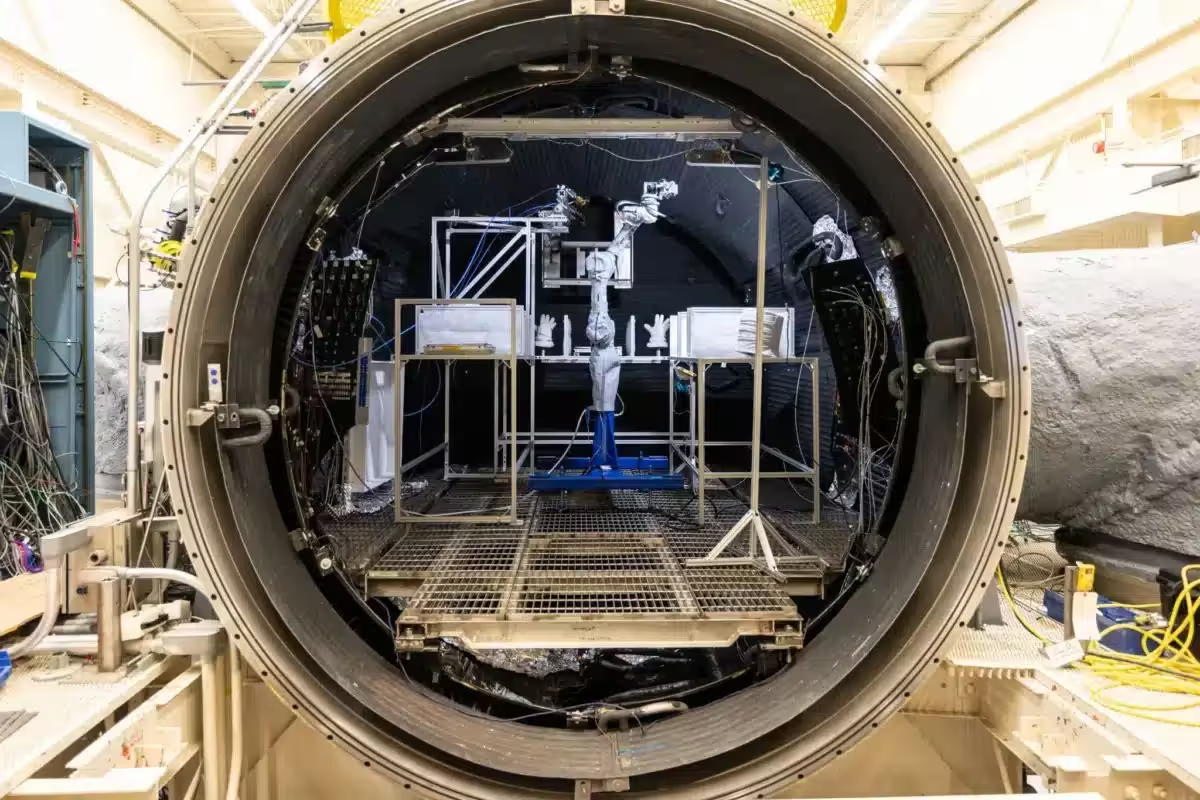
At NASA’s Johnson Space Center, the Lunar Development and Test Facility provides a controlled setting where engineers can expose hardware to simulated lunar regolith and vacuum environments. Situated within the Energy Systems Test Area, the laboratory includes a dust containment and preparation room for ambient testing, a compact three‑foot vacuum chamber, and a larger fifteen‑foot thermal vacuum chamber.
Both chambers operate with a closed‑loop nitrogen system, enabling researchers to mimic the low‑pressure, abrasive conditions expected on the Moon. By running components through these chambers, engineers can identify failure modes, contamination effects, and mechanical behavior before the hardware ever leaves Earth.
Assessing Suitability of Spacesuits and Mechanisms
The facility supports a range of tests, from evaluating spacesuit fabrics to probing the performance of moving parts and joints under dust exposure. By focusing on specific vulnerabilities, teams can refine designs that might otherwise reveal weaknesses only after reaching the lunar surface.
Testing goes beyond confirming that a single piece functions; it aims to understand how complete systems respond when dust‑induced stresses combine with thermal extremes and vacuum, treating regolith as a design condition rather than a post‑mission cleanup issue.
From Hazard to Resource: Extracting Oxygen and Propellant
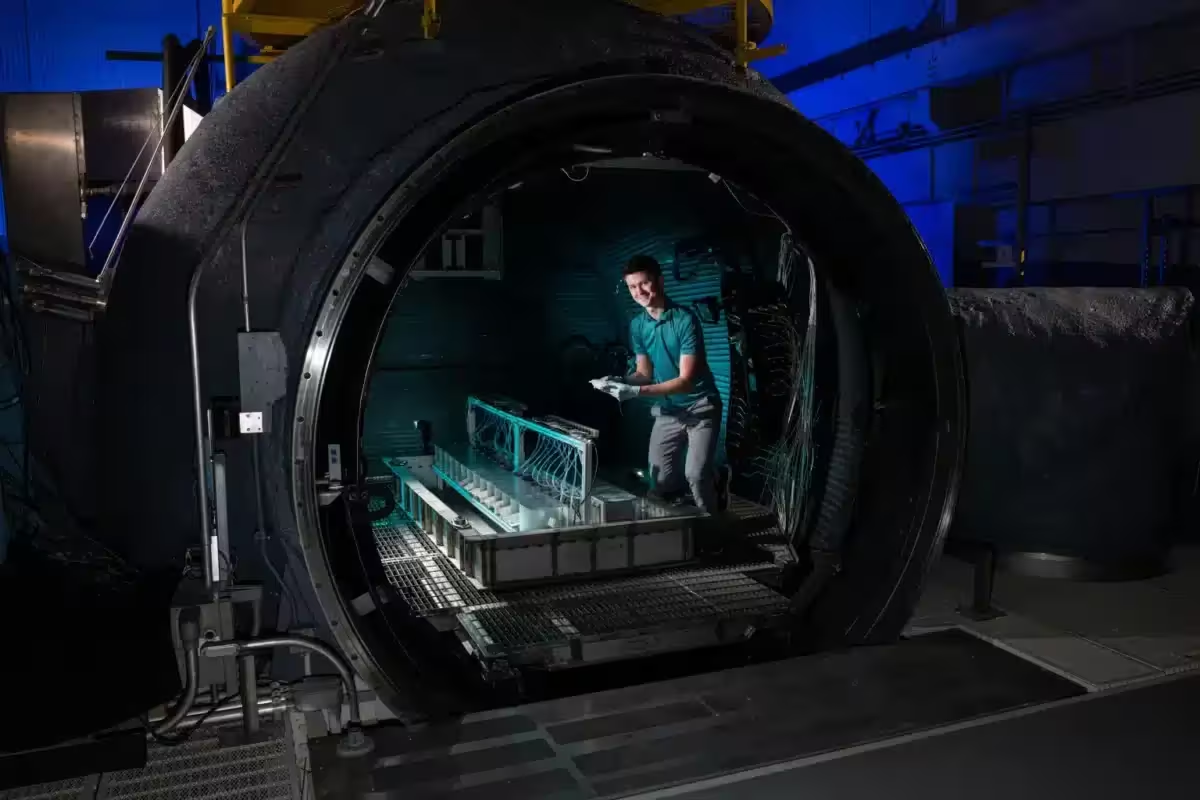
Beyond protecting hardware, the Houston tests also feed into broader efforts to turn lunar soil into useful supplies. In‑situ resource utilization envisions converting regolith into breathable oxygen for crew members and liquid oxygen for rocket propellant, potentially reducing the cost of transporting consumables from Earth.
“The facility helps develop and test technologies needed for long‑duration lunar exploration,” said Mike Salinas, deputy chief of the Propulsion and Power Division. “Engineers are advancing techniques to extract resources from lunar regolith, which can be turned into oxygen for astronauts and liquid oxygen for rocket propellant.”
Successfully processing regolith under the same harsh conditions that threaten equipment would create a unique engineering loop: the very material that degrades hardware could become a cornerstone of life‑support and propulsion systems, easing the logistical burden of deep‑space missions.
This article has been fact checked for accuracy, with information verified against reputable sources. Learn more about us and our editorial process.
Last reviewed on .
Article history
- Latest version
Cite this page:
- Posted by Karan Das