Climate Black Box Set For December Installation In Remote Tasmania To Preserve Planet’s History
A new initiative seeks to archive climate data, statements, research, media coverage and online reactions to safeguard them for future generations.
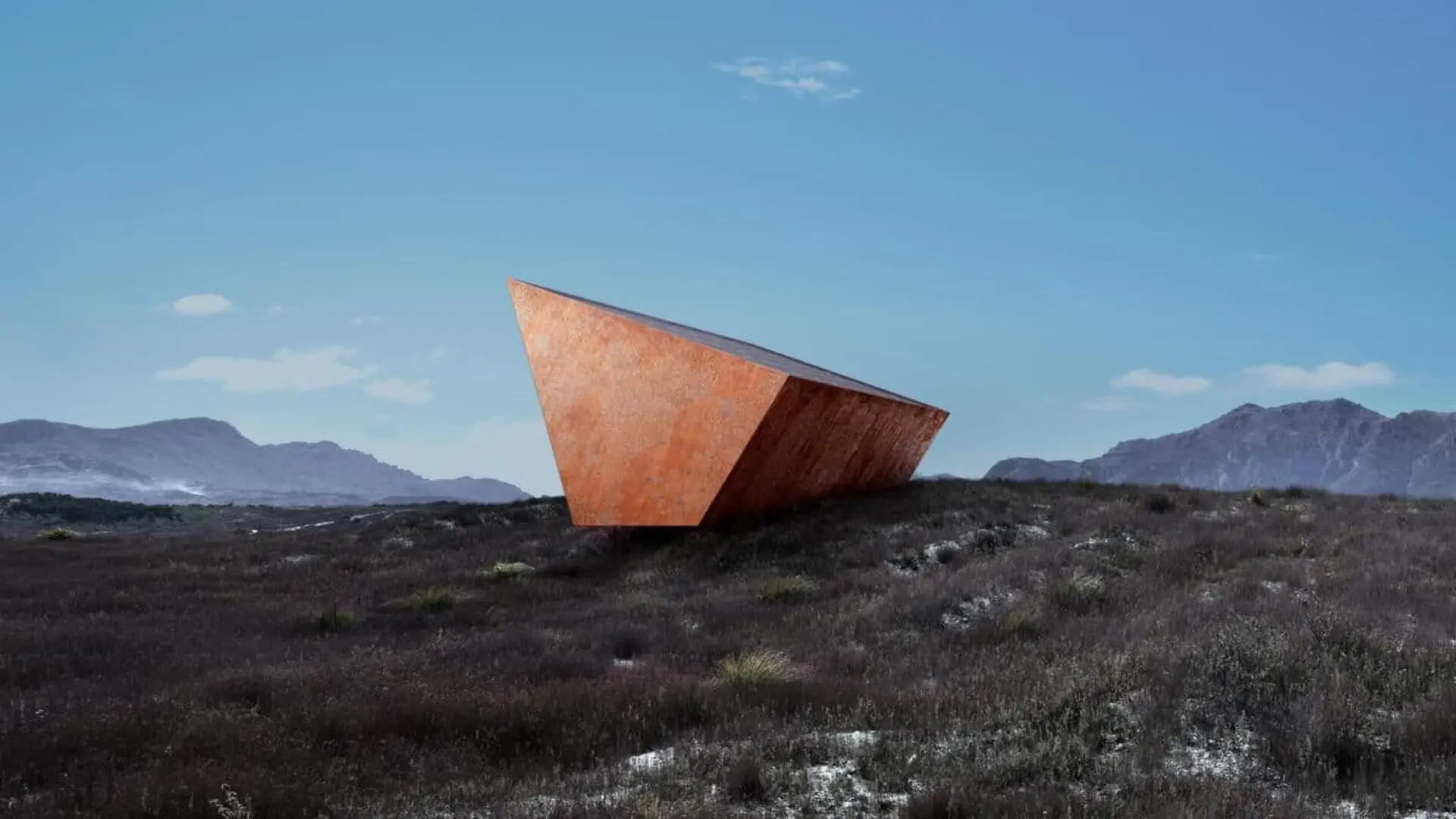
Rouser Lab, the Australian nonprofit behind the Earth’s Black Box, first unveiled the concept in 2021 to align with the COP26 summit. The initiative mirrors aviation flight recorders, capturing a wide range of climate‑related information for future analysis.
After a quiet period, artistic director Jonathan Kneebone announced that the installation is slated for December, roughly five years after the original reveal.
Steel Tower Intended to Preserve the Climate Narrative
Earth’s Black Box will consist of a 16‑metre‑long, 4‑metre‑high steel monolith with 7.5‑centimetre‑thick walls. Solar panels on the roof are designed to power the unit for decades, even if external electricity is unavailable.
The interior will house computing hardware, battery packs and storage media that automatically gather speeches, news articles, scholarly papers and social‑media content linked to climate change.
Rouser Lab describes the project as “inspired by an aeroplane’s indestructible flight recorder,” aiming to log “an array of data sets and measurements relating to planetary health” for posterity.
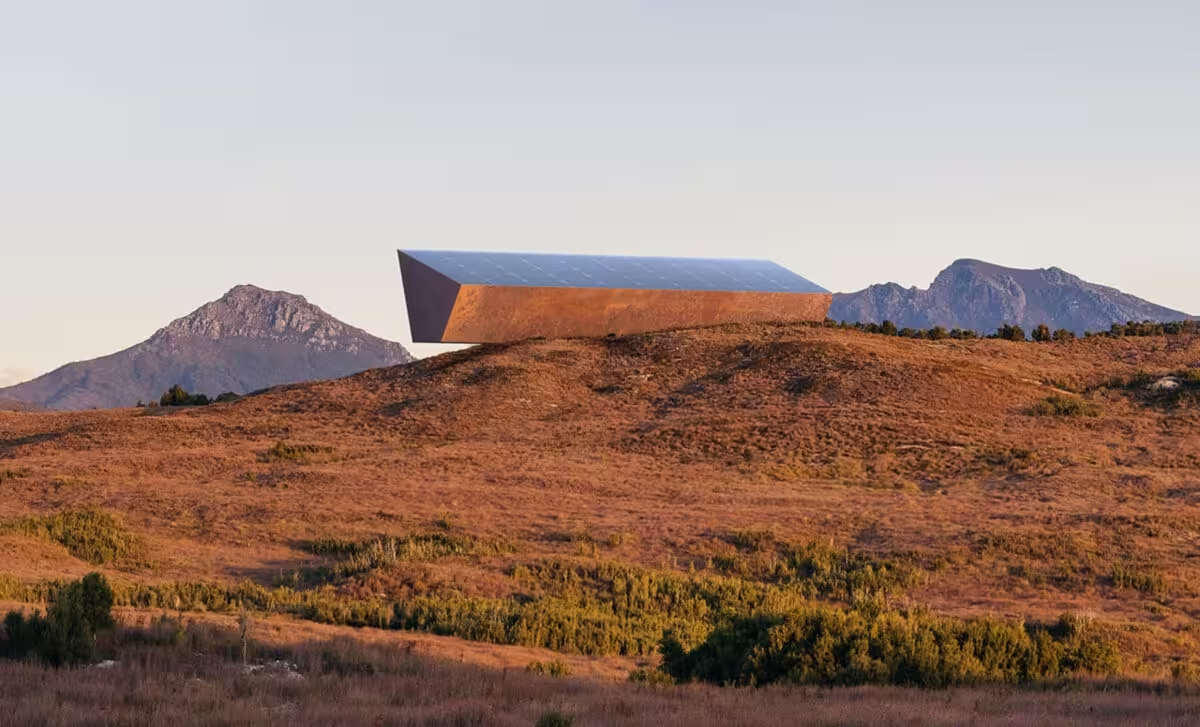
Why Western Tasmania Was Selected
The site near Queenstown was chosen for practical reasons. According to IFLScience, the location receives sufficient winter sunlight to keep the solar array productive, and its elevation protects the installation from sea‑level rise.
Geological stability also factors in, reducing the risk of volcanic activity. The founders argue that the area is unlikely to become a conflict zone while remaining reachable for visitors once the device is operational.
Rouser Lab calls this stretch of Tasmania’s remote west coast “one of the most geologically and politically stable places on the planet,” a description that underscores both the functional and symbolic intent of the project.
Data Collection Has Already Begun
Even though the physical box has yet to be erected, the archive started gathering information during the 2021 UN COP26 climate conference.
The project’s website states that “hundreds of data sets, measurements and interactions relating to the health of our planet will be continuously collected and safely stored for future generations.” It positions the effort as an “unbiased account” of the forces driving ecological decline, aiming to hold future generations accountable and spur decisive action.
Kneebone told Guardian Australia that the intervening five years have been spent refining the design, upgrading storage solutions, selecting durable materials, expanding the web platform and securing funding. The structure is envisioned not only as a data vault but also as a public marker of a pivotal era in climate decision‑making.
This article has been fact checked for accuracy, with information verified against reputable sources. Learn more about us and our editorial process.
Last reviewed on .
Article history
- Latest version
Reference(s)
- “https://www.earthsblackbox.com/images/animation/image-06.jpg.” <https://www.earthsblackbox.com/>.
- <https://www.iflscience.com/the-earths-climate-black-box-is-coming-and-we-finally-know-when-83864>.
- Cassidy, Caitlin. “Apocalypse when? ‘Earth’s Black Box’ to be installed in remote Tasmanian airfield.”, June 17, 2026 The Guardian <https://www.theguardian.com/australia-news/2026/jun/18/earth-black-box-climate-apocalypse-tasmania-australia>.
Cite this page:
- Posted by William Moore